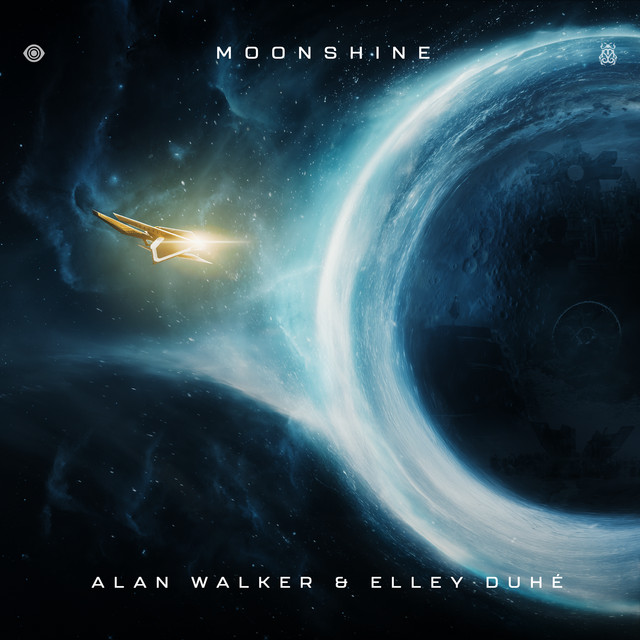
Moonshine by Alan Walker, Elley Duhé
A Love Song That Knows It Is Bad News
The meaning of Moonshine Alan Walker, Elley Duhé centers on a romance that feels thrilling, dangerous, and almost impossible to quit. The song compares love to strong homemade liquor: it hits hard, hurts a little, and still keeps pulling them back. That is the core idea from the first hook onward.
"Moonshine" - Alan Walker, Elley Duhé
Loving you's like drinking moonshine
Burns my throat, but you're so damn fine
Loading lyrics...
Unable to load lyrics
We're unable to display the lyrics at this time. Please try again later.
Instead of describing a healthy bond, the lyrics frame desire as something intoxicating. They know the relationship is not stable, but they also admit it feels too good to leave. When the song says love is like drinking moonshine
, it turns attraction into a physical sensation. It burns, it blurs judgment, and it makes distance harder.
The Story Inside the Verses
The verses give the relationship a vivid Southern setting. There is a creek, trees, vines, and a local, almost backwoods atmosphere. Those details matter because they make the romance feel earthy and reckless rather than polished or idealized.
The opening scene suggests they met in a place that feels private and fated. That memory gives the song a flashback quality, as if they are replaying the moment they got pulled in. A phrase like loaded gun
hints that the attraction was powerful from the start. The smile is charming, but it also carries danger.
From there, the narrative becomes a cycle:
- They fall hard.
- They recognize the damage.
- They try to leave.
- They return anyway.
That cycle is the emotional engine of the song. It is not really about one breakup talk. It is about being stuck in a pattern they can clearly see.
Why the Chorus Hits So Hard
The chorus works because it balances pleasure and pain in one image. The line about it burns my throat
admits the relationship hurts. But the next thought says the other person is still irresistible. In simple terms, they are confessing that pain has not canceled desire.
That tension continues when the song admits it ain't right
to claim this person, yet they still cannot stop wanting them. This adds guilt and possessiveness to the emotional mix. They know love should not work like this, but they keep treating the relationship like a habit.
Swore that I would say goodbye
But I just can't seem
to cut these ties
These lines sum up the conflict. They have already made the rational decision to leave. The problem is that emotion keeps overriding reason.
The Big Symbols: Moonshine, Wine, and Vines
The song uses a small group of connected symbols very effectively. Moonshine is the biggest one. It stands for a love that is raw, potent, and risky. It is not smooth or safe. It is the kind of thing people take knowing there may be consequences.
The image of homemade wine extends that idea. This love is personal and intimate, but also fermented into something overpowering. It suggests a connection built over time, not just a random fling.
Then the song shifts to ties and vines. That is one of its smartest moves. Vines grow, twist, and wrap around things. So when they cannot cut those bonds, the image suggests emotional entanglement. This is not just a crush. It is a relationship that has grown around their life and become hard to remove.
Interpretation: The natural imagery may also suggest that the bond feels organic even when it is unhealthy. In other words, it feels like part of them now, which makes leaving even harder.
A Question at the Heart of the Song
One of the song's strongest moments is when it asks whether they are actually better together. That question shifts the song from memory into self-examination. They are no longer just describing temptation. They are testing their own excuses.
The line about when wrong feels good gets to the heart of the meaning. This is a song about moral and emotional confusion. They know what they should do, but feeling keeps rewriting the rules.
Interpretation: That makes the track less like a simple toxic-love anthem and more like a portrait of self-awareness. They are not blind. They are trapped in full view of the trap.
How Alan Walker's Sound Shapes the Meaning
Alan Walker is best known for melodic electronic production, heard across releases like his artist profile. Elley Duhé, meanwhile, often brings a smoky, emotional edge to dance-pop collaborations, including songs discussed by Billboard. In "Moonshine," that pairing matters.
Even with country-coded lyrics, the production likely helps the song feel bigger than a simple acoustic confession. The beat and polished structure give the emotion a modern pop lift, while the imagery keeps it grounded in something rougher and more lived-in. That contrast mirrors the lyrics themselves: glossy desire on top of messy reality.
Elley Duhé's vocal style fits the song's tension well. They often sound both vulnerable and forceful at once, which helps sell the idea of someone admitting weakness while still leaning toward the danger.
Why the Song Connects
Part of the appeal is how plainly it states a feeling many people know: wanting someone who is clearly bad for them. The song does not hide behind abstract poetry. It uses direct images and a memorable hook to make the emotional problem easy to recognize.
For U.S. listeners especially, the Southern references add texture without making the meaning hard to follow. The local imagery gives the song character, while the emotional story stays universal.
Final Take on Its Message
The meaning of Moonshine Alan Walker, Elley Duhé is about addictive love dressed up as confession. It shows a person who understands the relationship is unhealthy, yet still craves the rush, the memory, and the closeness.
That is why the song lands: it captures the moment when clarity is not enough to set someone free. Interpretation: listeners may hear it as toxic romance, nostalgia for a past lover, or a broader metaphor for any habit they cannot break.
Disclaimer: This interpretation is based on the released lyrics, performance, and available artist context. As with any song, meaning can vary from listener to listener.







