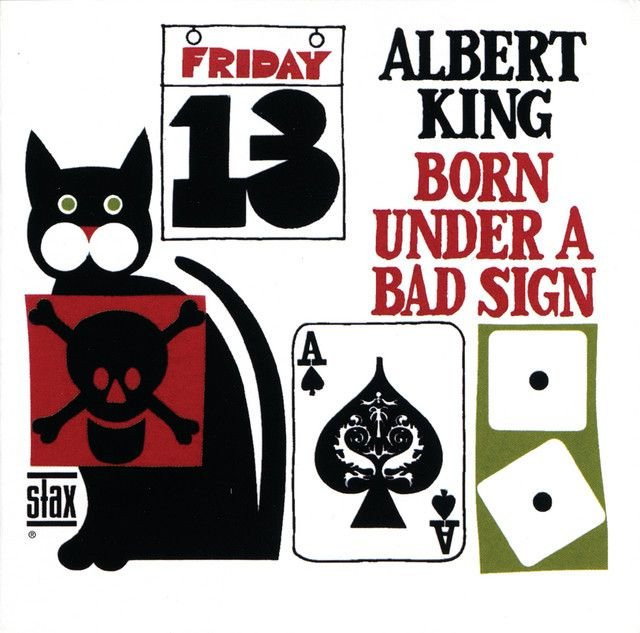
Why 'Born Under a Bad Sign' Still Hits Hard
The meaning of Born Under a Bad Sign Albert King starts with a simple idea: some people feel doomed before life even begins. This 1967 blues classic turns that feeling into something direct, catchy, and unforgettable. Rather than telling one long story, it gives a self-portrait of a man who thinks trouble follows him everywhere.
"Born Under A Bad Sign" - Albert King
Been down since I began to crawl
If it wasn't for bad luck, you know I wouldn't have no luck at all
Loading lyrics...
Unable to load lyrics
We're unable to display the lyrics at this time. Please try again later.
That is why the song lasts. It is not just sad. It is sharp, funny, and a little proud of its own misery. Albert King sings like they have seen enough hardship to stop pretending things will suddenly get better.
A Blues Portrait of Bad Luck and Fate
On the surface, the song is about a person convinced life has been unfair from the start. The title phrase born under a bad sign
uses astrology as a plain-language symbol. It suggests the stars were against them at birth, so every setback feels prewritten.
That idea connects the whole lyric. The singer does not describe one unlucky day; they describe a lifetime pattern. When the song says been down since I began to crawl
, it compresses childhood, struggle, and identity into one image. Misfortune is not an event. It is the narrator's world.
Interpretation: The song is powerful because it turns fatalism into personality. The singer sounds wounded, but also fully aware of the joke. They know how dramatic their luck sounds, and that self-awareness keeps the song from collapsing into self-pity.
Watch the official Born Under A Bad Sign
music video
How the Verses Build the Character
Each verse adds a new piece to the narrator's life. They mention isolation, lack of education, constant conflict, and destructive desires. These details matter because they make bad luck feel social as well as personal.
When the singer says hard luck and trouble
are their only friends, they frame suffering as a companion. That is classic blues writing: pain is so constant it almost becomes a relationship. Later, the confession about craving pleasure shows another side of the character. They chase relief, even while knowing it may destroy them.
This is where the song gets richer than its famous hook. The bad sign is not just fate from the sky. It also becomes a way to explain cycles of poverty, loneliness, temptation, and self-sabotage.
The Chorus as a Bitter Joke
The chorus lands because it is both bleak and clever. The line if it wasn't for bad luck
turns suffering into wordplay. The singer jokes that misfortune is the only luck they ever get.
That makes the song memorable, but it also reveals a survival tactic. Humor helps them say something painful without sounding broken.
Born under a bad sign
been down since I began to crawl
Those two lines work like a mission statement. They summarize the character's whole life in a few words, and Albert King's delivery makes them feel lived in, not invented.
Stax, Albert King, and the Sound of Pressure
Context matters to the meaning of Born Under a Bad Sign Albert King. The song was written by Booker T. Jones and William Bell for Albert King at Stax in Memphis, recorded on May 17, 1967, and released days later on Wikipedia. It later appeared on King's 1967 album of the same name.
William Bell said the title came from the era's interest in astrology, while Booker T. Jones remembered writing the song quickly the night before the session. According to Songfacts, Jones called it one of his greatest studio moments because of how real the blues feeling was.
That speed may be part of the song's strength. Nothing sounds overworked. It feels immediate, like a thought turned into a groove before anyone could polish the rough edges away.
Why the Music Feels So Unshakable
Musically, this is not just a standard barroom blues. The arrangement leans on a tight, stalking riff from the rhythm section, with Booker T. & the M.G.'s and the Memphis Horns backing King. The groove is almost elegant, but it never relaxes.
That matters for meaning. The bass and guitar pattern feels trapped in a loop, which mirrors the lyric's idea that the singer cannot escape their condition. Albert King's guitar does not flood the track with notes. Instead, they drop in strong, stinging phrases that answer the vocal like hard truths.
Their voice also carries the theme. King does not sound theatrical. They sound matter-of-fact, as if bad luck is no longer shocking. That calmness makes the song hit harder than a louder performance would.
A Blues Song With Crossover Force
The record became one of Albert King's signature songs and reached No. 49 on Billboard's R&B chart. It also grew far beyond its first release, becoming a blues standard and later a rock touchstone through versions by Cream and others.
That crossover happened for a reason. The song is deeply blues-based, yet its riff is so concise and physical that rock audiences could grab onto it instantly. It helped carry King's style into a wider world.
More Than Misery: Defiance Inside the Song
A common reading is that the song is only about defeat. But there is another way to hear it.
Interpretation: By stating their curse so boldly, the singer takes control of the story. They may be unlucky, but they still name the problem, shape it into art, and make everyone listen. In that sense, the song is not passive at all. It is a declaration.
That may explain why listeners often find the track energizing rather than depressing. The lyric says life is a fight, yet the performance itself feels strong, stylish, and unsentimental.
Why It Still Matters Now
More than fifty years later, the song still connects because most people know the feeling behind it. They may not believe in astrology, but they understand what it means to feel marked by patterns they did not choose.
The meaning of Born Under a Bad Sign Albert King is ultimately about how people talk themselves through hardship. Sometimes they blame fate. Sometimes they blame the world. Sometimes they laugh so they do not give in.
Albert King and the Stax team turned that feeling into a classic: compact, heavy, and honest. That is why the song remains one of the great statements of modern blues.
Disclaimer: This article offers an interpretation of the song based on the recording, known writing history, and critical context. Meanings can vary from listener to listener.








