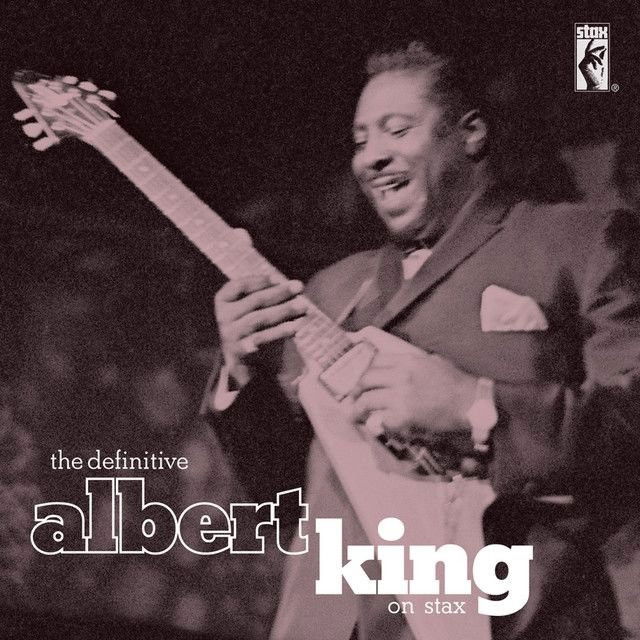
Why Albert King Wanted to Get Funky
The meaning of I Wanna Get Funky Albert King starts with something simple: release. This song is not built on heartbreak, revenge, or regret. Instead, it turns everyday pressure into motion, pleasure, and community. Albert King presents funk as a way to shake off stress, reconnect with love, and join other people in a shared groove.
"I Wanna Get Funky" - Albert King
I want to get down
I want to get funky
Loading lyrics...
Unable to load lyrics
We're unable to display the lyrics at this time. Please try again later.
That matters in King’s catalog. He was one of the great blues guitarists, a major Stax artist, and a player whose sound influenced rock and blues for decades, as noted by the Rock & Roll Hall of Fame. By the early 1970s, he had also begun leaning into funk textures, and his 1974 album I Wanna Get Funky followed that path. According to his career overview at AllMusic, King recorded the album during a period when he was blending blues with a more modern, groove-forward feel.
A Blues Song About Joy, Not Misery
At its core, the song says that music and love can push trouble aside. The singer leaves work, feels the day lift, and heads home to someone waiting. That small story gives the track its emotional center. When they hear my trouble is gone
, the point is not that life is perfect. It is that relief can be real, even if it only begins at day’s end.
The repeated hook, I want to get funky
, is direct on purpose. It is not hiding behind symbols. In plain language, it means they want release, movement, and pleasure. The partner at home matters, but so does the feeling of stepping out of labor and into personal freedom.
Watch the official I Wanna Get Funky
music video
From the Job Site to the Living Room
One of the song’s smartest moves is how quickly it changes settings. Work comes first, then home, then the road as a touring musician. Those scenes connect private life and public life through the same desire to get loose.
The first scene: leaving labor behind
When the singer says When I leave work
, the song frames funk as an answer to strain. Work is the burden; rhythm is the cure. This is classic blues thinking in one sense: daily life is hard. But the answer here is more upbeat than in many older blues songs.
The second scene: love as comfort
The line about rushing to a lover waiting at home turns the song warm and personal. Funk is not just dancing in a club. It is also intimacy, safety, and being welcomed after a long day. That detail keeps the song grounded.
The third scene: the crowd joins in
Later, the singer talks about playing music from place to place and hearing people who also want release. When they hear from town to town
and they want to get down
, the song broadens its message. What begins as one person’s need becomes a group feeling.
What the Hook Really Means
The chorus works because it is repetitive without feeling empty. King keeps returning to get down
, which in this setting suggests dancing, loosening up, and dropping social tension. The repetition mirrors the function of groove music itself: it locks listeners into a feeling until the body understands it.
Interpretation: the hook also sounds like a statement of identity. King was not leaving the blues behind. He was showing that blues could live inside newer, funkier rhythms. So wanting to “get funky” is also an artist claiming room to evolve.
How the Sound Carries the Message
This song’s meaning is inseparable from its arrangement. Albert King was famous for a huge guitar tone, bent notes, and a style that could sound both forceful and relaxed. On funk-based material, that style changes shape a little. Instead of dominating every second, the guitar sits inside the groove and speaks in short, sharp phrases.
That approach fits the lyric. A song about release should feel physical. The rhythm section drives that feeling with a steady pulse, while the guitar adds attitude rather than clutter. The result is blues that walks with a funk stride.
I want to get funky
I want to get down
Even in this brief refrain, the musical goal is clear. The words are minimal, so the band does more of the storytelling. They turn a simple wish into a bodily experience.
Why This Song Fits Albert King So Well
King was born in Mississippi, became a giant figure in electric blues, and later recorded for Stax, the Memphis label known for soul and R&B as well as blues. That history matters here. His earlier classics often carried hard luck, toughness, and emotional scars. This track keeps his weight and authority, but points them toward pleasure.
That is part of what makes the song interesting. It shows an older blues master meeting the 1970s on his own terms. He does not sound like he is chasing trends in a desperate way. He sounds confident, grounded, and ready to use funk as another language.
A Few Strongest Themes in the Lyrics
The song stays simple, but several themes keep returning:
- Escape from stress: work trouble fades once the day ends.
- Romantic comfort: home and love offer emotional recovery.
- Music as medicine: performance creates shared relief.
- Collective joy: the crowd wants the same freedom the singer wants.
- Movement as meaning: dancing is not extra; it is the point.
Final Take on the Meaning
So, what is the meaning of I Wanna Get Funky Albert King? It is a celebration of release after labor, love after stress, and rhythm as a social bond. The song treats funk not as a shallow party word, but as a real answer to pressure. It says people work hard, carry trouble, and still deserve joy.
Albert King makes that idea convincing because his voice and guitar never sound lightweight. Even when the lyric is simple, the performance gives it depth. They hear a blues veteran reminding listeners that feeling good can be serious business.
Disclaimer: This interpretation is based on the lyrics, performance, and known career context around Albert King. As with any song, listeners may hear different meanings in it.







