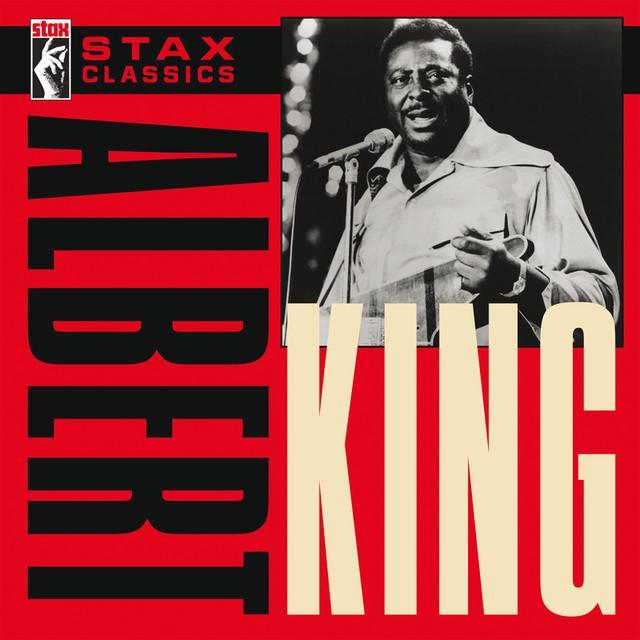
Travelin' Man by Albert King
A blues road song can sound free on the surface, yet still carry loneliness underneath.
"Travelin' Man" - Albert King
Provided by LyricFindLeft my home in Texas
I moved to Arkansas
Now if you think I'm goin' back againLoading...Loading lyrics...
Unable to load lyrics
We're unable to display the lyrics at this time. Please try again later.
What the Song Means Beneath the Motion
The meaning of Travelin' Man Albert King starts with movement, but it does not end there. On the page, the singer sounds proud of being a drifter. He leaves one place, keeps going, and refuses to settle. But the deeper feeling is more complicated.
The song presents travel as both identity and escape. The narrator says he has left Texas and moved on to Arkansas, then shuts the door on returning. That opening is not just geography. It sets up a mindset: forward motion feels safer than looking back.
When he calls himself a travelin' man
, he is doing more than describing a job or habit. He is building a shield. In blues writing, a repeated self-description often works like self-persuasion. He keeps saying who he is because he needs to believe it.
Interpretation: the song is about a man who turns restlessness into a personal code after love lets him down.
Watch the official Travelin' Man
music video
The Story Moves From Freedom to Fatigue
At first, the narrator sounds almost energized by the road. He has been in many places and is still searching for love. That search gives the song its first layer of hope. He is not wandering for no reason; he thinks the next town might hold the right person.
Still, the optimism starts to crack. He admits he is tryin' to find a woman
, which makes the travel feel less glamorous and more desperate. Motion becomes evidence that he has not found peace yet.
The key turn comes when he says he is tired of runnin'
. That line changes the whole emotional weight of the song. Until then, travel sounds chosen. After that, it sounds compulsive.
Three beats in the narrator's journey
- He leaves home and rejects the past.
- He turns the road into a mission for love.
- He realizes the search is wearing him down.
By the last verse, the woman he loves is gone, and even the places he visits cannot help. The line about going door to door
paints a picture of someone chasing what has already vanished.
How the Chorus Turns Motion Into Meaning
The chorus is simple, but that is why it works. The singer says he does not want to lose this groove
, so he has to keep moving. In plain terms, he connects survival to rhythm.
That word choice matters. In blues, groove is not only musical time. It can also mean momentum, attitude, and emotional control. If he stops moving, he may have to sit with pain. So movement becomes a coping strategy.
I'm a travelin' man
I don't wanna lose this groove
I got to move
This short refrain sums up the song's core idea. He is not traveling because life is easy. He is traveling because staying still might hurt more.
Albert King's Blues Persona Fits the Song
Albert King was one of the most influential electric blues players of his era, known for a huge guitar tone and a style that shaped later players from rock and blues alike. His career moved from early work in the Midwest and St. Louis to landmark recordings at Stax Records. He was later inducted into the Rock and Roll Hall of Fame, and major histories regularly place him among the great blues guitarists, as noted by the Rock Hall.
That context matters here. King often sounded powerful even when the lyric voice was wounded. In “Travelin' Man,” that contrast adds depth. The singer is not begging softly. He sounds tough, mobile, and unwilling to collapse in public.
Interpretation: King's delivery makes the song feel less like a diary entry and more like a survival performance.
Why the Sound Matters as Much as the Words
Even without a dense lyric, the blues arrangement carries meaning. Albert King's music is often built around space, weight, and sharp bends in the guitar. His playing could feel conversational, almost like a second voice answering the singer.
In a song like this, that matters because the theme is motion. The rhythm pushes forward, but the vocal and guitar phrasing can tug backward, creating tension between moving on and being emotionally stuck.
That is one reason the song feels believable. The words say “go,” while the blues feeling says the past is still attached. The track lives in that pull.
Two Strong Readings of the Song
There are at least two useful ways to hear “Travelin' Man.”
Reading one: a road song about independence
On the surface, the narrator rejects home, refuses regret, and keeps control by staying in motion. This reading hears the song as defiant and self-made.
Reading two: a heartbreak song in disguise
A deeper reading hears travel as avoidance. The narrator keeps moving because love has become unstable, and wandering is easier than grief. The later verses support this reading most strongly.
Both readings can be true at once. That mix is part of what makes the song effective.
The Final Take on "Travelin' Man"
The meaning of Travelin' Man Albert King is not just about a man on the road. It is about how a person turns motion into identity when love, home, and certainty no longer feel solid. The song starts with swagger, then quietly reveals exhaustion.
Albert King gives that idea real force. His blues presence makes the narrator sound strong, but not unscarred. That balance between confidence and hurt is what gives the song its staying power.
Disclaimer: This interpretation is based on the lyrics, performance, and available artist context. As with most blues songs, listeners may hear different shades of meaning.







