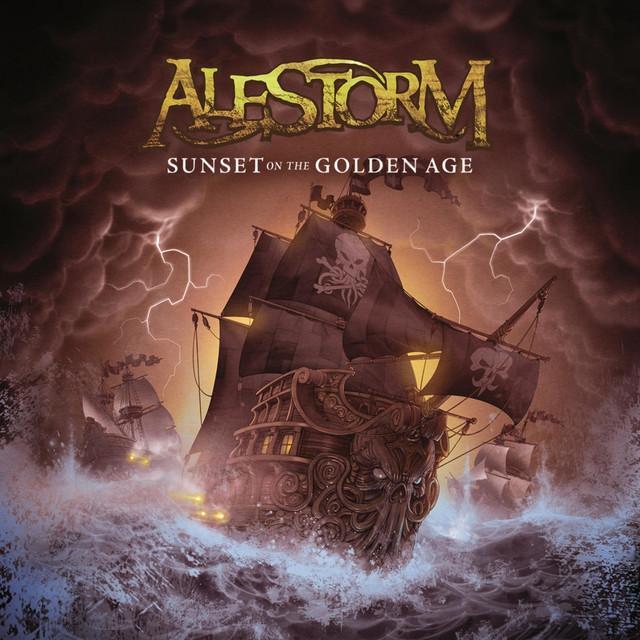
Hangover by Alestorm
The meaning of Hangover Alestorm starts with a joke, but it does not stop there. On the surface, the song is a loud party track about drinking too much and wanting more anyway. Under that surface, it works as a parody of excess: a character feels awful, doubles down, and treats self-destruction like a badge of honor.
"Hangover" - Alestorm
I've been drinking too much for sure
I got a hangover
Loading lyrics...
Unable to load lyrics
We're unable to display the lyrics at this time. Please try again later.
Alestorm are known for mixing metal with pirate imagery and comedy, a style they have carried across their catalog and live image through Napalm Records and band features over the years. That broader context matters because this song is not presented as a sober confession. It is staged as a rowdy, over-the-top performance in the band’s comic universe.
The Real Joke Behind the Booze
At its core, the song turns a hangover into a victory chant. The speaker does not regret what happened. Instead, they treat pain as part of the fun and ask for more. That is why short phrases like I got a hangover
and pour me some more
matter so much. They reduce the whole experience to a loop: suffer, refill, repeat.
Interpretation: The key idea is not just drinking. It is immaturity worn proudly. The line about not wanting to grow up frames the song as a fantasy of endless partying, where consequences never lead to change. The humor comes from how childish and extreme that stance is.
This is also why the chorus feels so blunt. There is almost no inner reflection. The song presents appetite without wisdom, which makes the character feel cartoonish on purpose.
Watch the official Hangover
music video
A Party Anthem in Pirate Costume
One of the smartest choices is the quick move into Alestorm’s own world. When the lyric says I'm on a ship
, the track stops being just another drinking song. It becomes an Alestorm song specifically, pulling the party from the club to the deck of a fantasy vessel.
That image matters because the band built their identity around pirate-metal theater. According to the band’s official profiles and label material, their music often blends heavy riffs, folk-like melodies, and sea-bound absurdity. In that setting, a hangover is not tragic. It is part of the bit.
Why the ship line matters
It does three jobs at once:
- It brands the song with Alestorm’s signature image.
- It makes the drinking sound communal, not private.
- It pushes the lyric toward parody rather than realism.
So even when the song talks about getting trashed, it feels less like diary writing and more like costume-role storytelling.
How the Chorus Traps the Character
The chorus is built around repetition because the character is stuck. They want to keep it going
, even after crossing the line. That repeated desire is the whole emotional engine of the song.
So I can go until they close up
And I can drink until I throw up
Those lines summarize the song’s worldview in a simple way: the goal is not joy, balance, or connection. The goal is total excess. That is funny because it is so reckless, but it also hints at emptiness. There is no bigger purpose here, just escalation.
Interpretation: Some listeners may hear this as pure party nonsense, and that is fair. Others may hear a satire of binge culture, where bragging replaces self-awareness. The song supports both readings because it never steps outside the joke to explain itself.
The Production Sells the Punchline
The meaning of Hangover Alestorm is not carried by lyrics alone. The production does a lot of the work. Alestorm usually favor fast tempos, gang-vocal energy, bright folk-inflected melodies, and stomping rhythms, all of which help turn even ridiculous words into crowd-ready chants.
That matters here. If the music were dark or slow, the song could feel ugly or sad. Instead, the arrangement feels celebratory and oversized. The vocals sound like they are built for audience participation, and the instrumental drive keeps the mood playful rather than reflective.
This contrast is important. The content says “bad decisions,” but the sound says “everyone shout along.” That tension is where much of the band’s humor lives.
A Cover, a Parody, and an Alestorm Rewrite
There is another layer to keep in mind: this song is tied to Taio Cruz’s pop hit, which was written by Tramar Dillard, Taio Cruz, Lukasz Gottwald, and Henry Walter. Alestorm’s version borrows that recognizable framework and reshapes it through pirate-metal absurdity.
That context changes the meaning. In pop form, “Hangover” already played with club excess. In Alestorm’s hands, the same basic idea becomes rougher, sillier, and more self-aware. Their added imagery and exaggerated delivery make the song feel like a spoof of party music as much as a contribution to it.
What listeners often respond to
U.S. listeners often latch onto three things:
- The instantly understandable hook.
- The comic pirate twist.
- The live-show singalong energy.
That mix explains the song’s appeal. It is easy to get, easy to chant, and easy to read as a joke.
Final Meaning: Fun First, Wisdom Never
In the end, the meaning of Hangover Alestorm is a gleeful portrait of reckless celebration. The song presents a character who turns consequences into fuel and treats adulthood as the enemy of fun. Through pirate imagery, repetition, and a huge communal sound, Alestorm make that attitude feel ridiculous, catchy, and very much intentional.
They are not offering life advice. They are staging a loud, comic fantasy about refusing to stop the party, even when the party has clearly gone too far.
Disclaimer: This interpretation is based on the song’s lyrics, performance style, and Alestorm’s public artistic persona. Like most comic songs, it can support more than one reading.








