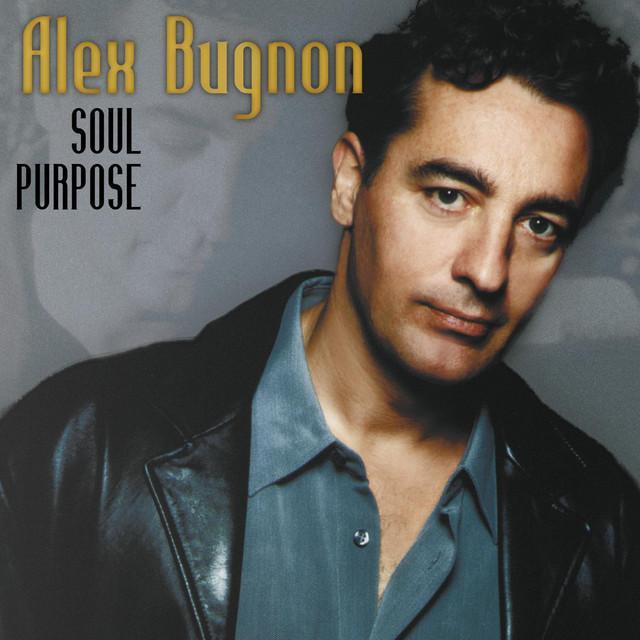
Why “Around 12:15 AM” Feels Like Pure Mood
The meaning of Around 12:15 AM Alex Bugnon starts with how little the song says and how much space it leaves. On the page, the lyric is minimal: a repeated late-night idea, then a burst of scat. That simplicity matters. Instead of telling a full story, the song sketches a moment and lets the feeling do the work.
"Around 12:15 AM" - Alex Bugnon
hanging out
hanging out after midnight
Loading lyrics...
Unable to load lyrics
We're unable to display the lyrics at this time. Please try again later.
Alex Bugnon is best known as a smooth jazz pianist and composer from Montreux, Switzerland, with training at the Paris Conservatory, the Mozart Academy in Salzburg, and Berklee after moving to the U.S. His career also helps explain the track’s shape: his early records reached both mainstream and R&B charts, showing how he often blended jazz skill with accessible groove, as noted in this artist profile. In that context, “Around 12:15 AM” fits a style built on atmosphere, rhythm, and emotional ease.
A Song About the Hour After Midnight
At the most direct level, the song centers on being out late. The key phrase, hanging out after midnight
, repeats until it stops sounding like information and starts sounding like a state of mind. Rather than building plot, the lyric circles one image: people lingering in the small hours, not ready for the night to end.
Interpretation: that repeated line suggests freedom more than action. This is not a dramatic midnight song about danger, heartbreak, or crisis. It feels more like the calm pocket that opens once the day’s pressure is gone. At 12:15 a.m., obligations are mostly over, but sleep has not won yet. The song lives in that in-between zone.
That helps explain why the title is specific. “12:15” is not just “late.” It feels observed, almost cinematic, like a glance at a clock in a lounge, on a dashboard, or across a dim room. The exact time makes the mood more real.
Watch the official Around 12:15 AM
music video
Why Repetition Is the Real Message
The lyric gives only a few words: hanging out
and its longer variation, after midnight
. Because there is so little text, repetition becomes meaning.
A loop instead of a storyline
Most songs use lyrics to move forward. This one stays in place. That choice mirrors what late-night hanging out often feels like. Time stretches. Conversation drifts. The point is not arriving somewhere new; the point is remaining in the vibe.
hanging out after midnight
hanging out
Those lines, brief as they are, create a soft cycle. They imply comfort, routine, and ease. Even the return to the same words can sound like a groove settling in.
The open-ended effect
Interpretation: because the lyric never says who is together, where they are, or what happens next, listeners can place themselves inside it. It could be romance, friendship, nightlife, or solo city wandering. The song gains meaning by refusing to pin one meaning down.
How the Jazz Setting Carries the Emotion
For a track this spare, the arrangement matters as much as the words. Bugnon’s background in smooth jazz points to why. He built a career as a keyboard player and composer whose music often works through texture and flow as much as through lyrical detail.
In a song like this, the title and vocal fragments act like signposts, but the instruments likely carry the deeper message. Piano or keys can suggest warmth and elegance. A steady rhythm section can mimic the easy forward motion of a late-night ride or club set. If the groove stays relaxed, it supports the idea that midnight here is not chaos; it is release.
The final lyric cue, scat
, matters too. Scatting replaces literal language with sound, swing, and personality. That is a classic jazz move. Instead of explaining the emotion, the performer embodies it. The voice stops reporting the scene and becomes part of the music itself.
Alex Bugnon’s Style Makes This Meaning Stronger
Bugnon’s broader career adds helpful context to the meaning of Around 12:15 AM Alex Bugnon. According to his discography and career summary, his 1988 debut Love Season reached the Billboard 200, and later work continued to chart in jazz formats, showing a crossover appeal between jazz sophistication and R&B-friendly smoothness, per this career overview.
That crossover matters here. “Around 12:15 AM” does not read like a dense literary lyric. It reads like a mood piece designed to be felt physically and socially. In other words, it belongs to a tradition where groove, timing, and atmosphere are central forms of storytelling.
Two Plausible Ways to Hear It
Because the lyric is so short, there is room for more than one reading.
Reading one: a celebration of late-night freedom
The clearest interpretation is simple: they are enjoying the loose, unguarded feeling of staying out late. The repeated phrase hanging out
sounds casual and positive. Midnight becomes a symbol of escape from schedules and roles.
Reading two: a portrait of suspended time
A second interpretation is more reflective. “After midnight” can mark a threshold, the point where one day has ended but the next has not fully begun. In that reading, the song is less about partying and more about pause. They are hovering in a temporary space, and the repetition captures that suspension.
Neither reading cancels the other. The track works because both can exist at once.
The Lasting Takeaway From 12:15
What makes this song interesting is not lyrical complexity. It is focus. By repeating one image and leaning on jazz expression, Bugnon turns a tiny slice of time into a whole emotional environment.
So, the meaning of Around 12:15 AM Alex Bugnon is best understood as a mood study: a late-night snapshot of ease, presence, and social warmth. The words are few because the feeling is the point. In that sense, the song trusts listeners to supply their own room, their own company, and their own midnight.
Disclaimer: This interpretation is based on the available lyric text, Alex Bugnon’s musical context, and close reading of the song’s themes. Meaning can vary by listener and may differ from the artist’s private intent.








