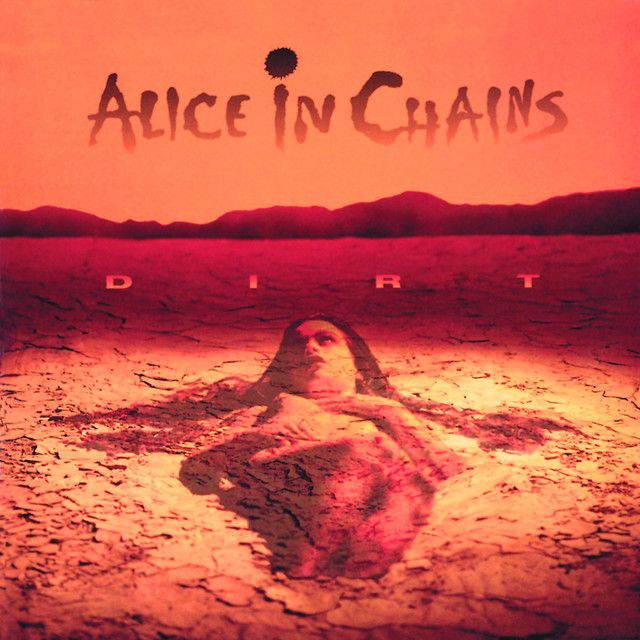
Junkhead by Alice in Chains
Why this song still stings
The meaning of Junkhead Alice in Chains becomes clearer when they treat it less like a slogan and more like a character study. On the surface, the song sounds cocky and even celebratory. Underneath, it is a disturbing look at how addiction can twist pride, pleasure, and identity into one voice.
"Junkhead" - Alice in Chains
A new friend turned me on to an old favorite
Nothing better than a dealer who's high
Loading lyrics...
Unable to load lyrics
We're unable to display the lyrics at this time. Please try again later.
Released on Dirt in 1992, “Junkhead” was written by Layne Staley and Jerry Cantrell. It is widely understood as part of the album’s larger descent into addiction, not a detached story from far away. That context matters because Dirt is one of Alice in Chains’ darkest records, and “Junkhead” sits near the center of that emotional collapse.
Watch the official Junkhead
music video
The song speaks from inside addiction
Rather than judging a user from the outside, the lyric lets the addict speak for himself. That choice is what gives the song its force. The narrator sounds convinced, amused, and defensive all at once.
Early on, he describes a rush of pleasure and recognition, then follows it with the grimly funny phrase a dealer who's high
. The image is not glamorous. It suggests a whole broken ecosystem where everyone is trapped in the same cycle.
Then comes the song’s central attitude: What's my drug of choice?
The answer is basically, whatever is available. Paraphrased, the speaker is saying preference no longer matters because the habit itself is in charge. That line turns bravado into evidence of dependence.
False freedom, real emptiness
A major theme in “Junkhead” is the addict’s belief that they have escaped society’s fake values. The narrator mocks ordinary life and imagines users as a kind of outsider elite. He even calls them an elite race
, which sounds proud but also warped.
Interpretation: This is where the song becomes more than confession. It shows how addiction can build its own belief system. The user does not just take drugs; he creates a worldview that makes drug use sound smarter, freer, and more honest than everyday life.
That is why the line Content and fully aware
lands so hard. The speaker insists he is fine, maybe even more awake than everyone else. But listeners can hear the contradiction. A person trying this hard to prove control usually does not have it.
The chorus reveals compulsion, not choice
The chorus is simple, repetitive, and bleak. Each return to I do it a lot
strips away more of the swagger. What first sounds like blunt honesty starts to resemble surrender.
This is one reason many listeners do not hear “Junkhead” as a pro-drug anthem. According to Songfacts, the song was written to express how outsiders cannot fully understand the mind of a drug user unless they have been there, and its perspective is better read as an unflinching look at addiction than an endorsement.
The repetition matters because addiction is repetitive. The song’s structure mirrors the habit: same urge, same answer, same loop.
How the music carries the message
Musically, “Junkhead” does not race. It lurches. The riff is thick, grimy, and heavy in a way that feels both narcotic and threatening. That slow drag makes the song sound less like rebellion and more like being pulled under.
Staley’s vocal is crucial. He sings with enough bite to sell the narrator’s confidence, but there is also rot in the tone. Jerry Cantrell’s harmonies add a haunted quality that keeps the song from feeling one-dimensional. The result is a voice that sounds strong on the surface and damaged underneath.
That balance fits Alice in Chains’ wider sound on Dirt, produced by Dave Jerden: dense guitars, oppressive mood, and melodies that feel wounded even when they are catchy. In “Junkhead,” the production traps the listener inside the addict’s logic rather than standing at a safe distance.
Where it fits on Dirt
“Junkhead” gains even more meaning when heard in album sequence. Songfacts notes that it begins a connected stretch on side two of Dirt that continues through songs like “Dirt,” “God Smack,” “Hate to Feel,” and “Angry Chair.” Heard that way, it is the stage where intoxication still feels like insight and community before the deeper damage becomes impossible to deny.
That larger framing is important because Dirt is often praised as Alice in Chains’ defining album, but it is also deeply tied to Staley’s real struggles. Interpretation: Knowing that history does not “solve” the lyric, but it adds tragic weight. The song sounds like someone arguing for a worldview that is already consuming him.
So what does “Junkhead” mean?
The best reading is that the song dramatizes addiction from the inside. It shows how a user can turn pain into pride, isolation into identity, and compulsion into philosophy. That is why the meaning of Junkhead Alice in Chains feels so unsettling: the narrator is persuasive enough to sound almost convincing, until the emptiness behind his words becomes impossible to miss.
In the end, “Junkhead” is not powerful because it lectures. It is powerful because it lets listeners hear the trap in the addict’s own language.
Disclaimer: This interpretation is based on the song’s lyrics, album context, and documented commentary, but meaning in music can remain open to listener experience.







