Why “Nutshell” by Alice in Chains Still Hurts
The meaning of Nutshell Alice in Chains comes down to something painfully simple: it is a song about feeling alone inside their own life. It speaks in a quiet voice, but the emotions are huge. Rather than using a complex story, the song turns inward and shows a person who feels exposed, exhausted, and cut off from comfort.
"Nutshell" - Alice in Chains
We face the path of time
And yet I fight
Loading lyrics...
Unable to load lyrics
We're unable to display the lyrics at this time. Please try again later.
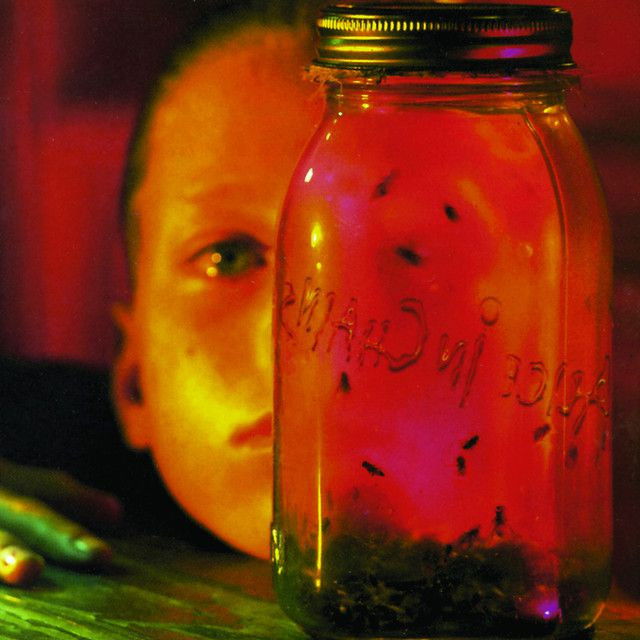
Released on the 1994 Jar of Flies EP, “Nutshell” became one of the band’s most respected songs, especially for its stripped-down sound and vulnerable mood. Alice in Chains were credited as writers here—Jerry Cantrell, Layne Staley, Mike Inez, and Sean Kinney—and the song’s emotional impact is closely tied to Staley’s performance on the recording. The EP itself was the band’s first release to debut at No. 1 on the Billboard 200, a notable moment in their career history.
A Small Song With a Huge Emotional Weight
What makes “Nutshell” so powerful is how little it tries to hide. The lyric opens by suggesting that people live around false ideas and the pressure of time. When the narrator admits they still fight, the point is not triumph. It is endurance.
That is why short lines like this battle all alone
hit so hard. The song frames life as a private struggle, not a shared one. The next thought, no place to call home
, deepens that feeling. Home here sounds less like a building and more like emotional safety.
Interpretation: the song is not only about loneliness. It is about disconnection from the self, from other people, and from any stable source of relief.

Watch the official Nutshell
music video
Where the Pain Seems to Come From
In the second verse, the language gets sharper. The narrator says their inner self has been violated and their privacy stripped away. Even without taking every phrase literally, the song clearly describes a person who feels watched, invaded, or emotionally depleted.
That is where my privacy is raked
becomes important. The image suggests repeated damage, as if they cannot keep any part of themselves protected. The line if I can’t be my own
then pushes the song toward its central fear: losing personal identity.
If I can't be my ownI'd feel better dead
This is the song’s darkest emotional turn. In plain terms, the narrator is saying that a life without self-possession feels unbearable. That does not make the song one-dimensional, though. It is not shock writing. It is the sound of despair stated without decoration.
The Voice at the Center of the Song
Although the article is written in third person, the song itself uses a first-person voice. That matters because every line feels direct and unfiltered. There is no character sketch, no scene-setting, and no distance from the pain.
Layne Staley’s vocal delivery is a major reason the song lands so deeply. He does not oversing it. He sounds fragile, tired, and almost suspended inside the arrangement. Many listeners hear the performance as inseparable from the song’s legacy, especially in the famous MTV Unplugged version, which helped make “Nutshell” even more enduring.
Interpretation: listeners often connect the song to Staley’s public struggles, but the safest reading is broader. The lyric works because it captures a universal state: feeling unable to protect one’s identity from pressure, attention, addiction, time, or grief.
Why the Music Feels Like Isolation
The arrangement carries as much meaning as the lyric. “Nutshell” is built on acoustic guitar, a slow tempo, and a restrained rhythm section. Instead of pushing forward aggressively, the music seems to hover. That space creates the feeling of someone sitting with thoughts they cannot escape.
The bass adds warmth, but it does not comfort. The drums are careful and sparse. Jerry Cantrell’s guitar work gives the track a muted, reflective color that fits the words. Nothing in the production tries to overpower the singer. That choice is crucial: the song feels intimate because the band leaves room for silence.
For a group known for heavy riffs and dark harmonies, this softer approach on Jar of Flies showed another side of Alice in Chains. It did not reduce the darkness. It made it easier to hear.
Two Strong Ways to Read “Nutshell”
There are at least two useful ways to understand the meaning of Nutshell Alice in Chains:
- A portrait of depression and isolation. The most direct reading is that the narrator feels alone, emotionally exposed, and dangerously hopeless.
- A statement about identity under pressure. The song can also be heard as a response to fame, scrutiny, or any force that leaves a person feeling robbed of privacy and self-control.
These readings can coexist. In fact, the song is stronger because it never narrows itself too much.
Why “Nutshell” Still Connects
“Nutshell” lasts because it says something many people feel but rarely say clearly. It does not offer a lesson or a clean ending. It simply gives shape to inner pain.
That honesty is why the song remains central to Alice in Chains’ catalog. It is quiet, but not small. It is personal, but not limited to one biography. And it turns a private collapse into something listeners can recognize in themselves.
Disclaimer: This interpretation focuses on the song’s themes, language, and musical context. Meaning can vary by listener, and not every reading reflects confirmed artist intent.









