How Come You Don't Call Me by Alicia Keys
A breakup song built around one simple question
The meaning of How Come You Don't Call Me Alicia Keys starts with a very ordinary problem: someone stops calling. But the song turns that small act into something much bigger. Silence becomes proof that a relationship has shifted, and the singer is left trying to understand what changed.
"How Come You Don't Call Me" - Alicia Keys
If what we have was good (oh, whoa, oh, oh)
Just pick up the motherfucking phone, damn
Loading lyrics...
Unable to load lyrics
We're unable to display the lyrics at this time. Please try again later.
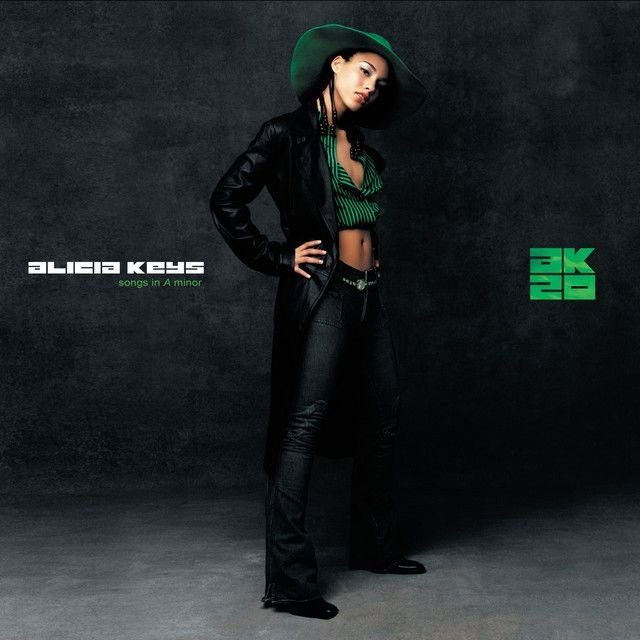
Alicia Keys recorded the song for Songs in A Minor, though it was written by Prince, who first released it in 1982 as a B-side. That history matters. Prince’s original is famously bare and aching, mostly voice and piano. Keys keeps that hurt, but her version adds a richer R&B frame, which makes the emotion feel both vulnerable and controlled.

Watch the official How Come You Don't Call Me
music video
The heart of the song is unanswered love
At its core, this is a song about being emotionally stranded. The speaker still believes the relationship mattered and cannot understand why the other person has gone quiet. When they ask How come you don't call me
, they are not really asking about a phone call alone. They are asking whether the love was real, whether the memories meant the same thing to both people, and whether they have been quietly abandoned.
That is why the opening memories matter so much. The song begins with keepsakes and recollections, including the image of a picture kept close to the bed. That detail shows someone living with the relationship in the present tense, even though the other person may already be gone in every practical way.
Memory, denial, and the shock of silence
Why the early lines hurt so much
The verses move through a familiar emotional pattern after a breakup: memory first, then disbelief. The singer recalls what was said and how secure the love once felt. Then comes the crack in that belief with I guess I was wrong
. It is a blunt line, and that bluntness matters.
Instead of using elaborate poetry, the song chooses direct speech. That makes the pain feel immediate. The singer is not decorating heartbreak; they are living inside it.
The missing call as a symbol
The song keeps returning to the phone because the phone represents effort. A call is small, cheap, and easy. So when the singer points out that it is just one lousy quarter
, the complaint is really about neglect. If even that tiny effort does not happen, then the silence feels deliberate.
Interpretation: this is why the song lands so hard. It takes a basic everyday action and turns it into a measure of love. In that way, the song is not only about longing. It is about dignity and the pain of not being chosen.
The chorus makes confusion feel universal
The chorus is powerful because it reduces heartbreak to one repeated thought. Many breakup songs describe betrayal in detail. This one circles one question until it starts to sound obsessive, wounded, and deeply human.
What I wanna know baby
if what we had was good
How come you don't call me anymore?
That brief refrain shows the song’s emotional trap. The singer cannot move on because they cannot make the story make sense. If the relationship was good, why did contact stop? The song never gives an answer, which is exactly the point.
Alicia Keys brings strength to the sadness
According to reporting on the single, Keys said in Billboard that Prince’s song felt “raw” and “truthful,” and that she lived with it for weeks before recording it. She also linked her performance to a long-term relationship. Those details help explain why her version feels personal rather than borrowed.
Production also shapes the meaning. Keys and Kerry “Krucial” Brothers produced the track, with Keys credited for lead vocals, backing vocals, and most of the instrumental feel. Unlike Prince’s stripped-down original, her recording surrounds the plea with smoother groove, thicker harmonies, and a stronger rhythmic base. That changes the emotional color.
Prince sounds almost alone in a room. Keys sounds alone, but trying to stay composed. Her voice rises with pain, yet it never fully collapses. That balance gives the song a second layer: heartbreak, yes, but also self-respect.
Pride battles desperation in the final stretch
One of the most revealing moments comes when the singer says Won't beg you please
. That line pushes against the desperation heard elsewhere. On one side, they admit the silence feels unbearable. On the other, they draw a line and refuse total humiliation.
This tension is what makes the song believable. Real heartbreak is rarely neat. People can feel abandoned, angry, hopeful, nostalgic, and proud all at once. Keys captures that mix especially well. Even when the lyrics sound pleading, her performance suggests someone fighting to keep their center.
Why the song still connects
Part of the song’s staying power is its simplicity. Almost everyone understands what it feels like to wait for a message that never comes. Today the technology is different, but the emotional math is the same. Silence still raises the same questions.
The song also connected because Keys recorded it early in her career, when her blend of classical piano roots, soul phrasing, and modern R&B made emotional songs feel fresh to a mainstream audience. Her single reached the Billboard Hot 100, and Prince reportedly told her he loved her cover. That kind of approval underscores how well she honored the original while making it her own.
The clearest takeaway
The meaning of How Come You Don't Call Me Alicia Keys is about more than missing an ex. It is about trying to measure love through absence, and realizing that silence can say as much as words. Interpretation: the song’s deepest message may be that unanswered communication hurts because it leaves both grief and uncertainty behind.
That is why the track still feels intimate years later. It understands that after love fades, people do not only mourn the person. They also mourn the explanation.
Disclaimer: This article offers a critical interpretation based on the lyrics, recording context, and public comments. Meaning in music can remain open to different listener views.







