Why “The Lucky One” Feels So Bittersweet
The meaning of The Lucky One Alison Krauss & Union Station starts with a small twist: this is not a simple praise song. On the surface, the narrator keeps calling someone the lucky one
. But the more the song unfolds, the less that phrase sounds like envy alone. It starts to sound like admiration mixed with distance, confusion, and maybe even resignation.
"The Lucky One" - Alison Krauss & Union Station
As free as the wind blowing down the road
Loved by many, hated by none
Loading lyrics...
Unable to load lyrics
We're unable to display the lyrics at this time. Please try again later.
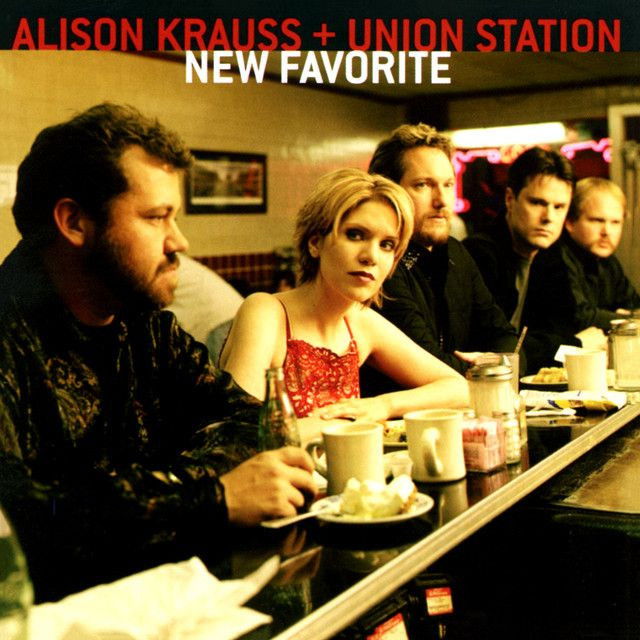
Released in 2001 as the lead single from New Favorite, the song was written by Robert Lee Castleman and recorded by Alison Krauss & Union Station. According to the song’s Wikipedia entry, it won two Grammy Awards, including Best Country Song. That recognition makes sense because the song turns a plainspoken idea into something emotionally layered.
The Heart of the Song Is Freedom
At its core, the song contrasts two ways of moving through life. One person seems loose, mobile, and untouched by regret. The other person, the one speaking, sounds more rooted and more aware of consequences.
When the narrator describes the other person as free as the wind
, the image matters. This is not just about travel or romance. It suggests a life without heavy attachment, where identity is shaped by motion rather than by plans, duty, or permanence.
Interpretation: the song admires that freedom, but it does not fully trust it. Calling someone lucky can be sincere, but it can also hide the ache of not being able to live the same way.

Watch the official The Lucky One
music video
A Speaker Watching From the Edge
The lyrics use second person, so the narrator is addressing someone directly. That choice gives the song intimacy. They are not talking about a type of person in general; they seem to be speaking to one specific man whose easygoing nature they know well.
There is a revealing contradiction in the line about being a master of none
. The song notices that this so-called lucky person is flexible and charming, but also uncommitted. He can drift from moment to moment. He can enjoy the next song, the next town, the next brief romance. That may look liberating from the outside, yet it also hints at a life built on passing pleasures rather than lasting bonds.
The Chorus Changes the Meaning
The repeated title phrase matters because it keeps shifting in tone. Early on, the lucky one
sounds like something the narrator has heard from others. Later, when the singer says they know that now, the phrase feels more personal and more complicated.
That change suggests growth in the speaker’s understanding. At first, they may have judged this person from a distance. By the end, they seem to accept that his gift is not success in the usual sense. His gift is the ability to live without clinging.
Playing and winning
playing and losing
This brief contrast captures the song’s philosophy. The lucky man is not lucky because he always wins. He is lucky because loss does not break his spirit. He can treat gain and defeat almost the same way.
The Most Telling Images
Several images carry the song’s meaning without needing much explanation:
- Wind and roads: These suggest motion, rootlessness, and a life that stays open.
- Songs and one-night stands: These link art, pleasure, and impermanence.
- The devil’s train: This is the song’s darkest image, but the lucky man laughs as it passes. He does not deny danger; he just refuses to live in fear.
The line about laughing as the devil rolls by is especially important. It shows that the character’s freedom is not innocence. He knows life has trouble in it. He simply meets that trouble with humor or detachment.
Interpretation: this may be the trait the narrator truly envies most. Not romance, not popularity, but emotional lightness.
Sound Matters as Much as the Words
Alison Krauss & Union Station recorded the song in their polished blend of bluegrass and country, with Krauss’s voice bringing calm rather than drama. That matters for interpretation. A rougher performance might have made the song sound sarcastic or wild. Instead, the band gives it grace.
The arrangement supports the lyric’s floating outlook. The rhythm moves easily, and the acoustic setting keeps the song grounded even as the words describe a drifter. In that way, the performance balances two worlds: motion and stillness, admiration and caution.
The track appeared on New Favorite and was produced by Alison Krauss & Union Station. Its success also reached beyond album cuts; Billboard’s Grammys coverage noted the song among the winners at the 44th Annual Grammy Awards. Even without a huge chart peak, it endured because its emotional idea is so recognizable.
Is the Song Celebrating Him or Warning About Him?
The smartest part of the song is that it leaves room for both readings.
On one hand, it celebrates a person who can live in the present. He does not overthink, does not freeze in fear, and does not seem crushed by mistakes. In a culture that often links worth to control and long-term plans, that kind of ease can look enviable.
On the other hand, the song quietly asks what this freedom costs. If someone belongs nowhere, loves lightly, and keeps moving, is that wisdom or avoidance? The narrator never gives a final answer.
The Lasting Takeaway
The meaning of The Lucky One Alison Krauss & Union Station lies in that tension. It paints luck not as money, fame, or even love, but as the rare ability to accept life as it comes. At the same time, it admits that such freedom may leave other people behind.
That is why the song still lands. It understands that the people who seem most carefree can inspire both longing and sadness.
Disclaimer: This interpretation is based on the released lyrics, performance, and documented song context. Like many great songs, it can support more than one reading.








