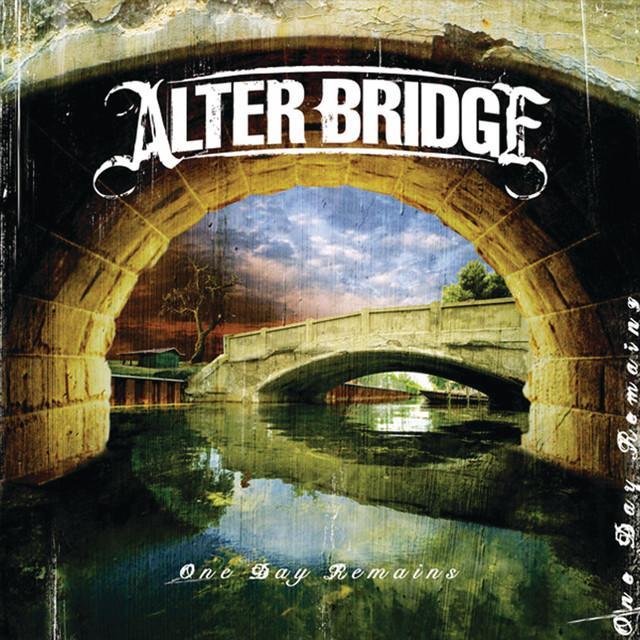
Metalingus by Alter Bridge
Why This Anthem Still Connects
The meaning of Metalingus Alter Bridge is, at its core, about personal renewal. The song begins in defeat, moves through painful self-awareness, and arrives at a decision to live differently. It is not a subtle song, but that is part of its power. They present a speaker who has hit bottom and finally sees a way forward.
"Metalingus" - Alter Bridge
Dropped to my knees when hope ran out
The time has come to change my ways
Loading lyrics...
Unable to load lyrics
We're unable to display the lyrics at this time. Please try again later.
Released on Alter Bridge’s debut album One Day Remains in 2004, “Metalingus” helped define the band’s early identity: heavy, melodic, and emotionally direct. The song’s famous second life came through pro wrestling, especially its use by WWE wrestler Edge, which gave it a reputation as an entrance anthem. But outside that setting, the lyrics point to something more human than spectacle. They describe a person choosing clarity over regret.

Watch the official Metalingus
music video
From Collapse to Clarity
The opening lines set the stage with exhaustion and loss. The speaker has been beaten down, emotionally and mentally, and they admit that hope ran out. That matters because the song does not start with confidence. It starts with collapse.
Then comes the turning point: On this day
. That phrase works like a marker in time. It suggests a moment of awakening, when confusion clears and the speaker sees life with painful honesty. They recognize a broken dream
and the bitterness attached to it, but the song does not stay there. Instead, it frames that recognition as necessary. Before they can move on, they have to admit what has failed.
Interpretation: this is why the chorus feels so uplifting even though it mentions pain. The song argues that healing begins when illusion ends.
The Chorus Turns Pain Into Action
The chorus is the emotional center because it transforms passive suffering into active choice. The speaker says everything has come to life
, which sounds positive at first, but in context it means reality has become impossible to ignore. That includes disappointment, wasted time, and fear.
Still, the key line is the decision to leave it all behind
. That does not erase the past. It means they refuse to let the past control what comes next. This is why the song resonates with listeners who hear it as a comeback anthem. It is less about revenge than release.
On this day it's so real to me
Everything has come to life
Another chance to chase a dream
Chance to feel alive
That short passage captures the full arc: reality hurts, but reality also opens a door. The dream may be damaged, yet there is still another shot at meaning.
Regret, Fear, and the Refusal to Look Back
One of the strongest themes in “Metalingus” is the rejection of regret. The speaker does not deny that mistakes happened. Instead, they refuse to keep feeding those mistakes with endless replay. When they insist they will not look back, the song frames memory as something dangerous if it becomes a trap.
Fear is the other major enemy. The lyric about fear killing all they could be makes the conflict very clear. This is not just a song about outside pressure. It is also about the internal voice that suffocates growth.
A simple timeline of the song’s message
- They admit defeat and emotional burnout.
- They reach a moment of sharp clarity.
- They name the failed dream and the bitterness around it.
- They choose movement over regret.
- They ask for freedom and a chance to feel alive again.
That structure is why the song feels so cinematic. It is built like a rebirth story.
How Alter Bridge’s Sound Carries the Meaning
The music strengthens the meaning at every step. Mark Tremonti’s guitar riff is sharp and driving, giving the song a physical sense of momentum. The band locks into a firm, marching groove, which mirrors the lyrics’ push toward resolve rather than self-pity.
Myles Kennedy’s vocal performance is just as important. He begins with strain and intensity, then opens up into a more soaring chorus. That shift makes the awakening feel earned. They do not sound calm from the start; they sound like someone forcing air back into their lungs.
Factually, the song was written by Myles Kennedy, Mark Tremonti, Brian Marshall, and Scott Phillips, the core members of Alter Bridge. It appeared during the band’s early post-Creed era, when they were establishing a new identity, as documented on the band’s official site. That context matters because “Metalingus” sounds like a declaration from a band and a narrator alike: the past exists, but it does not get the final word.
More Than a Wrestling Theme
Because so many listeners know “Metalingus” through Edge, it can be easy to reduce it to a hype track. It absolutely works that way. The riff is huge, the hook is memorable, and the lyrics fit the image of return and dominance.
But the deeper appeal is broader. The song speaks to anyone who has outgrown an old version of themselves. Its language is simple, almost blunt, and that helps. There is no puzzle to solve. They are hearing a direct statement about pain, freedom, and choosing not to be ruled by either shame or fear.
The Best Way to Read “Metalingus”
The strongest reading is that the song is about reclaiming agency after a low point. Interpretation: it may describe recovery from failure, depression, burnout, or a broken ambition. The lyric never pins down one exact cause, which lets listeners bring their own history to it.
That openness explains the song’s long life. “Metalingus” offers not just motivation, but permission: permission to admit defeat, permission to stop worshipping what might have been, and permission to begin again.
In that sense, the meaning of Metalingus Alter Bridge is not just triumph. It is clarity first, then courage.
Disclaimer: This interpretation is based on the song’s lyrics, musical context, and public band history. Like most songs, it can support more than one reading.









