Why Andy Williams’ 'Most Wonderful Time' Feels Eternal
They hear it at parades, in malls, and on radio flips to all-Christmas formats: Andy Williams’ evergreen standard that declares the season’s joy. This guide unpacks the meaning of It's The Most Wonderful Time Of The Year Andy Williams fans return to every December—and why it still sparkles.
"It's The Most Wonderful Time Of The Year" - Andy Williams
With the kids jingle belling
And everyone telling you be of good cheer
Loading lyrics...
Unable to load lyrics
We're unable to display the lyrics at this time. Please try again later.
What This Classic Really Celebrates
At heart, the song is a catalog of communal rituals. It lifts everyday scenes—kids jingle belling
, spontaneous visits, and caroling—into a promise that the season is about shared time, not just gifts. The narrator’s message is welcoming, almost like a host opening the door.
The refrain’s claim of a hap-happiest season
isn’t just hype. It’s a thesis: joy grows when people gather and participate. Memories, music, and food are the real gifts, and the song nudges listeners to join in.

Watch the official It's The Most Wonderful Time Of The Year
music video
Who’s Speaking, and to Whom
There’s no confessional “I.” Instead, the voice speaks in third person and occasionally addresses listeners directly—urging them to be of good cheer
. That second-person aside feels like a friendly emcee at a town hall or a variety show, guiding the evening.
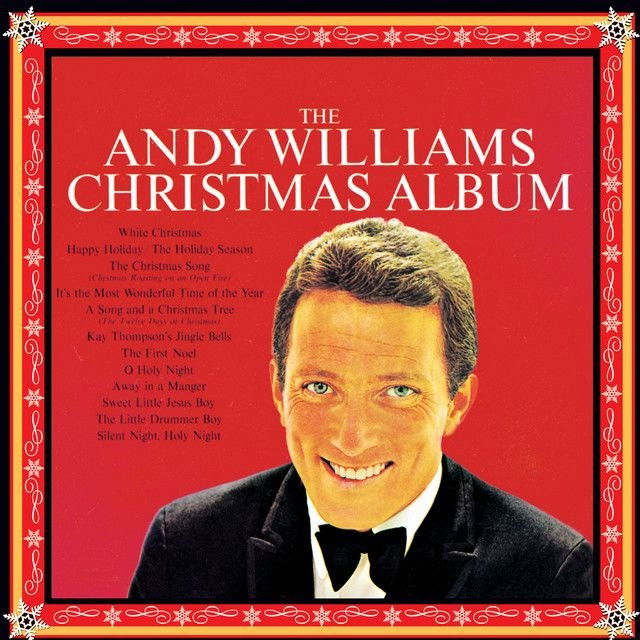
Historically, that fits. The song was written by Edward Pola and George Wyle and recorded by Williams for his 1963 holiday album, produced by Robert Mersey. Wyle also worked on The Andy Williams Show, where Williams regularly performed the tune. The arrangement and delivery sound like a TV host welcoming America into the living room.
A Timeline of Holiday Rituals
They can map the song’s action like an evening plan:
- Arrival: Friends drop by, greetings fly, and the mood warms.
- Hosting: There are
parties for hosting
and treats—marshmallows toasted, stories shared. - Caroling: Voices gather outside, the town becomes a choir.
- Story hour: People trade memories and even
scary ghost stories
, echoing a Victorian Christmas custom. - Intimacy: Mistletoe, candlelight, and
hearts will be glowing
when loved ones are near
.
Each beat turns a private moment into a communal ritual, the way neighborhoods create a season together.
The Hook That Knits It All Together
The chorus repeats a simple claim: this is the year’s most joyful stretch. It’s less about calendar ranking than about feeling. Interpretation: the refrain works like a seasonal mantra—sing it, and the room shifts. By repeating a confident promise, the song invites listeners to embody it.
That’s why the chorus travels so well. It can soundtrack sincere family commercials and, famously, the tongue‑in‑cheek Staples “back to school” ads, where its cheer plays as comic contrast. The hook is flexible because it sells a mood more than a plot.
Sounds That Paint the Season
The arrangement is bright and showy: brisk tempo, sleigh bells, swinging brass, and a full chorus that stacks harmonies like garland. Williams’ baritone centers it—calm, smiling, never showboating. The production, led by Robert Mersey, keeps the vocal present while letting horns and choir bloom around it.
Interpretation: those choices mirror the lyrics’ community focus. The choir sounds like neighbors at the doorstep; the bells summon images of sidewalks and skating rinks. Even the dynamic swells feel like doors opening to a louder, happier room.
A Few Alternate Readings
- Interpretation: Ritual as remedy. The song can be read as advice for seasonal blues. By naming activities—hosting, singing, telling stories—it gives listeners a playbook for reconnecting.
- Interpretation: Nostalgia as glue. With its nod to old traditions, including ghost stories, the song turns the past into a gathering space. Memory itself becomes a social event.
- Interpretation: A host’s-eye view. The second-person nudge—
be of good cheer
—implies someone setting the tone. It’s the psychology of hospitality: lead with warmth, and others follow.
Why It Endures Across Generations
Recorded in 1963, the song has grown into a modern standard, climbing to No. 5 on the Billboard Hot 100 during the 2020 holiday season. Annual reentries show it functions like a national ritual, resurfacing when towns flip the lights and stations flip formats.
Its cultural durability comes from balance. It’s specific enough to feel lived-in—marshmallows, caroling, mistletoe—yet broad enough for any household. The melody is easy to hum; the chorus is easy to claim. Most of all, it promises that joy is a team sport.
Final Note
No single reading is definitive. This piece blends reported history with critical interpretation to clarify how lyrics, vocals, and production shape the song’s meaning.
Sources
- https://en.wikipedia.org/wiki/It%27s_the_Most_Wonderful_Time_of_the_Year
- https://interviews.televisionacademy.com/interviews/andy-williams
- https://www.billboard.com/music/chart-beat/andy-williams-most-wonderful-time-of-the-year-hot-100-2020-9507911/
- https://www.nytimes.com/1995/01/26/business/media-business-advertising-additions-christmas-cheer-back-school.html
- https://www.mcfarlandbooks.com/product/the-christmas-encyclopedia-third-edition/