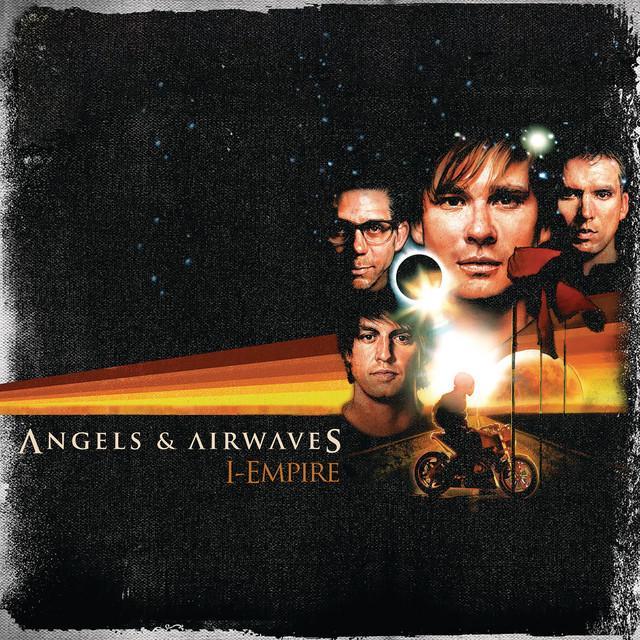
Everything's Magic by Angels & Airwaves
Why This Song Still Feels Like Lift-Off
The meaning of Everything's Magic Angels & Airwaves starts with a simple tension: fear is real, but so is wonder. The song opens by asking about loneliness, doubt, and that late-night feeling that life is somehow off. Then it flips that mood. Instead of staying in isolation, it pushes toward awe, motion, and connection.
"Everything's Magic" - Angels & Airwaves
And do you ever wish to be unknown?
I could say that I have
Loading lyrics...
Unable to load lyrics
We're unable to display the lyrics at this time. Please try again later.
That turn is the heart of the song. They present anxiety not as the end of the story, but as the doorway to a bigger emotional experience. In plain terms, the song says that even when someone feels small or uncertain, the world can still feel huge and alive.
Factually, "Everything's Magic" was the lead single from Angels & Airwaves' 2007 album I-Empire. It reached No. 11 on Billboard's Hot Modern Rock Tracks, making it one of the band's bigger songs. That matters because its bright, immediate hook helped introduce a more accessible side of the group without dropping their usual big-sky style.

Watch the official Everything's Magic
music video
The Core Message Hiding Inside the Questions
The verses are built on repeated questions. They ask if a person ever feels alone, invisible, or stuck awake at night. Those lines are direct and relatable. They sound like someone checking in with another person who is struggling.
Then comes the answer: the speaker understands. They say they have felt those same things too. That shared feeling gives the song warmth. It is not talking down to anyone. It is reaching across.
Interpretation: This is why the chorus feels reassuring rather than preachy. When the song says everything's magic
, it does not mean life is easy. It means life can still feel full of meaning, speed, beauty, and surprise even after fear has been named.
A Love Song, a Pep Talk, or Both?
One strong reading is that the song is addressed to a romantic partner. The speaker asks vulnerable questions, then offers closeness and momentum. Lines like reach out your hand
suggest trust and invitation.
Another reading is broader. The song can also sound like a pep talk to anyone who feels emotionally stuck. The repeated push to hold on and believe suggests encouragement more than seduction.
Both readings can work at once. Angels & Airwaves often aim for something personal and cosmic at the same time. Here, affection becomes the vehicle for hope.
How the Chorus Changes the Whole Story
The chorus is what transforms the song from private worry into release. The images get bigger and louder. The listener is told to look for the stars
as daylight fades. That image matters because it turns darkness into a chance to see more clearly, not less.
The song's one burst of nearly cinematic language comes in this section:
Just sit back and hold on
Prepare for the best
the fastest ride
Paraphrased, the idea is that life can feel overwhelming, but that motion can also be thrilling. The chorus does not promise control. It promises momentum. That is a key difference. They are not saying a person can master every fear; they are saying a person can move through fear and still feel wonder.
The Images: Night, Stars, Breath, Speed
The song uses a few simple motifs over and over:
- night and wakefulness
- stars and sunset
- breath and heartbeat
- hands, motion, and riding forward
These are easy images, but they work well together. Night stands for worry and self-doubt. Stars stand for perspective. Breath and heartbeat make emotion physical, almost impossible to ignore. The idea of a ride gives the whole song forward motion.
Interpretation: The phrase thunderous sound
makes inner feeling seem huge. Even a breath becomes massive. That suggests the speaker is trying to reframe panic as energy. What once felt scary can become proof that they are alive.
How the Sound Carries the Meaning
Production is central to why the song lands. Tom DeLonge produced it, and the track is built to feel airborne: bright guitars, a quick pulse, wide reverb, and a drum pattern that keeps pushing ahead. The sound is polished, but not cold. It feels urgent and hopeful at the same time.
Writers for the song are credited to Tom DeLonge, David Kennedy, Matt Wachter, and Atom Willard. Their arrangement choices matter as much as the words. The intro arrives with bounce, then the chorus opens outward, creating that classic Angels & Airwaves sensation of emotional expansion.
Reviews at the time noticed familiar influences. A Punknews review praised how the song mixed recognizable bass and guitar ideas into something memorable and fun. That reaction fits the song's meaning. It is not trying to sound dark and mysterious. It is trying to feel immediate, uplifting, and big.
Artist Context Helps Explain the Song
Angels & Airwaves came after Blink-182's first breakup, when DeLonge leaned into a more grand, atmospheric style. This band often frames ordinary emotion in near-cosmic terms. That context helps explain why "Everything's Magic" takes common feelings like loneliness and sleeplessness and turns them into a rocket-launch chorus.
Within that style, this track is one of their most direct songs. It does not bury its message in dense symbolism. Instead, it uses simple language and huge production to sell a familiar but effective idea: life can feel broken one minute and beautiful the next.
Final Take: Wonder as a Response to Fear
So what is the meaning of Everything's Magic Angels & Airwaves? At its core, it is about meeting fear with awe. The song recognizes loneliness, hesitation, and self-protection. Then it argues that connection, risk, and openness are still worth choosing.
That is why the song remains appealing. It does not deny darkness. It simply refuses to let darkness have the final word.
Disclaimer: This interpretation is based on the lyrics, known release context, and the band's style. Like many songs, it can support more than one valid reading.








