Why 'Time' by Anthrax Still Feels Urgent
Anthrax opened Persistence of Time with a song that sounds like a warning siren. For anyone searching for the meaning of Time Anthrax, the core idea is clear: this is a song about feeling hunted by the clock, trapped by anxious thoughts, and determined to take back control before life slips away.
"Time" - Anthrax
Paranoia time
I'm running out of life
Loading lyrics...
Unable to load lyrics
We're unable to display the lyrics at this time. Please try again later.
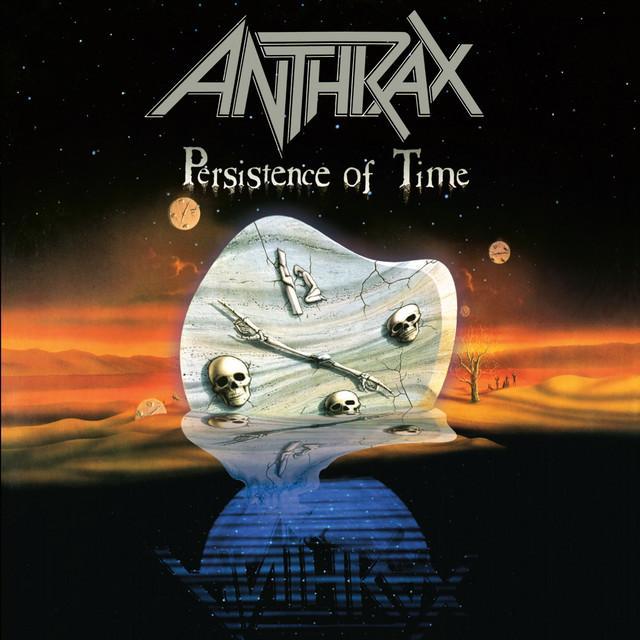
Released as the first track on Anthrax’s fifth studio album, Persistence of Time in 1990, “Time” arrived during a more serious phase for the band. According to reporting on the album, Anthrax moved away from some of their earlier humor and leaned into a darker, more reflective tone, with the album later earning a Grammy nomination and Gold certification in the U.S. (Wikipedia). That context matters because “Time” does not play like a joke or a throwaway opener. It lays out the album’s whole emotional climate.
A Race Against the Clock, and the Self
At its most direct level, “Time” is about inner pressure. The singer feels overrun by thoughts, deadlines, and the sense that life is shrinking second by second. Early lines describe mental overload and panic, then tie that panic to the movement of the clock. When the lyric says Paranoia time
, it fuses anxiety and time into one problem.
But the song does not stop at panic. It keeps pushing toward a choice: either let fear and routine swallow life, or fight for meaning. That is why the repeated pairing of Time and life
matters so much. The song treats those two ideas as inseparable. Time is not just minutes passing; it is the material life is made from.

Watch the official Time
music video
What the Verses Are Really Showing
The verses move in stages, and each stage builds the song’s argument.
- Mental stress becomes physical pressure. The opening images make time feel sharp and violent, as if each passing second leaves a mark.
- Society looks half-dead. The song then looks outward and sees people moving through life like sleepwalkers.
- The singer rejects passivity. Instead of joining that numb state, they decide to act now.
That middle step is key. When the lyric refers to living dead
, it is not describing literal death. It suggests spiritual emptiness, routine without purpose, and a world where people stop truly seeing. In that sense, the song is not only personal. It is social.
The Chorus Turns Fear Into Defiance
The chorus is where the song’s meaning sharpens. Anthrax takes the stress built up in the verses and turns it into a struggle for ownership. The phrase I want what's mine
is not about money or status. In context, it points to a claim on one’s own life, choices, and future.
Interpretation: the chorus sounds like someone refusing to let panic, other people, or the clock dictate who they become. Time is framed almost like contested territory. No one fully owns it, yet everyone fights for it.
That gives the song an unusual edge. It is angry, but not aimless. Its anger is pointed at waste: wasted thought, wasted days, wasted human possibility.
The Big Image: Persistence, Not Perfection
The final key phrase is Through the persistence of time
. That line can be heard two ways.
Interpretation 1: time itself wears people down. If they do nothing, the clock wins simply by continuing.
Interpretation 2: persistence can also belong to the person. They survive by enduring, pushing forward, and refusing to give in.
That second reading becomes even stronger near the end, when the song declares that Paranoia's got no hold on me
. After all the earlier stress, that moment sounds like a breakthrough. The fear is still real, but it no longer rules.
Time and life
Life and time
One day I'll get what's mine
This brief refrain captures the song’s heartbeat: life is finite, but the answer is not surrender. It is persistence.
How the Sound Carries the Meaning
“Time” works because the music does not merely decorate the lyric; it enacts it. Persistence of Time is widely described as denser, moodier, and more mature than much of Anthrax’s earlier catalog (Wikipedia). That darker production style fits this song perfectly.
The guitars feel tight and grinding rather than loose and playful. The drumming pushes forward with the force of a countdown. Joey Belladonna’s vocal rides over that pressure with urgency, sounding less triumphant than strained and determined. Even the song’s length—nearly seven minutes on an album known for a more progressive side—lets Anthrax build tension instead of rushing to release it (Wikipedia).
The result is what The New York Times called, in reference to the album’s music, the exhilaration of a desperate struggle
(Wikipedia). That phrase fits “Time” especially well.
Artist Context Matters Here
It is also useful to separate this song from Anthrax’s later hit cover “Got the Time.” That track, originally by Joe Jackson, deals with everyday rush and the feeling of being constantly pressed for action (Songfacts). “Time,” by contrast, is heavier in every sense: musically, emotionally, and philosophically.
The song was written by the band members credited on the album: Joey Belladonna, Frank Bello, Charlie Benante, Scott Ian, and Dan Spitz. The album was produced by Anthrax and Mark Dodson (Wikipedia). Knowing that helps explain why the track feels so tied to the record’s broader mood of stress, seriousness, and reflection.
Final Take on the Meaning of Time Anthrax
The meaning of Time Anthrax is not just that time passes too fast. It is that people can lose themselves to fear, routine, and the sense of being cornered by life. Anthrax turns that feeling into a challenge: stop drifting, face the pressure, and decide what to do with the time still left.
That is why the song still feels current. Modern life keeps giving people new clocks to obey, but “Time” insists that the deeper fight is always the same.
Disclaimer: This interpretation is based on the song’s lyrics, album context, and documented release history. As with any song, meaning can remain open to listener interpretation.







