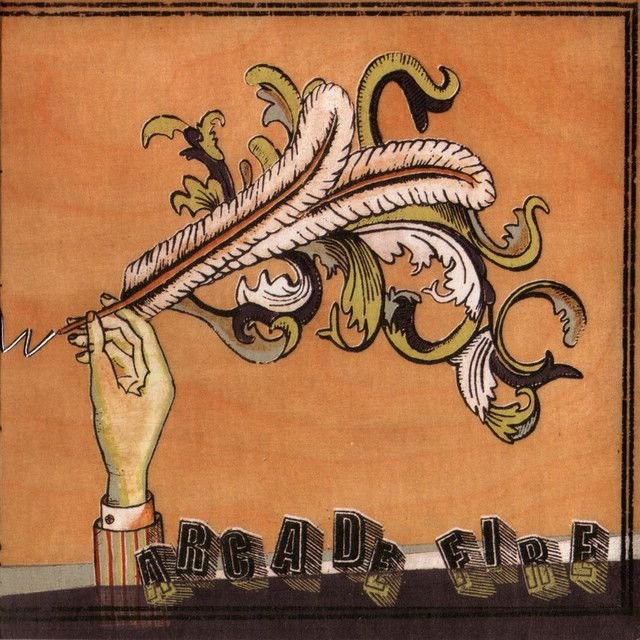
Rebellion (Lies) by Arcade Fire
A wake-up song disguised as an anthem
The meaning of Rebellion (Lies) Arcade Fire starts with a simple idea: this is a song about refusing numbness. On the surface, it talks about sleep, dreams, night, and covers. But those images quickly turn into a bigger argument about fear, control, and the stories people are told to keep them quiet.
"Rebellion (Lies)" - Arcade Fire
No matter what the time is
Sleeping is giving in
Loading lyrics...
Unable to load lyrics
We're unable to display the lyrics at this time. Please try again later.
Released as a single from Arcade Fire’s 2004 debut, Funeral, the song became one of the band’s signature tracks. According to the song’s Wikipedia entry, it was the fourth single from the album and has long been one of their most-played live songs. That matters because it helps explain why the track feels so communal: it is built like a rallying cry, not a private diary entry.

Watch the official Rebellion (Lies)
music video
What the song seems to be saying
At its core, the song pushes back against passive living. Early lines frame sleep as surrender, using the phrase Sleeping is giving in
. The point is not literally that rest is bad. Interpretation: they seem to use sleep as a symbol for switching off, obeying social rules, or accepting comforting lies instead of facing reality.
That is where the parenthetical title matters. “Lies” sounds like a chant, but it also works like an accusation. The song keeps suggesting that many so-called truths handed down by adults, institutions, or culture are really fear tactics. When the lyrics mention warnings meant to Scare your son
and scare your daughter
, they point to how fear gets taught across generations.
In that reading, rebellion is not chaos for its own sake. It is mental resistance. It is staying awake long enough to question what they have been told.
How the verses build the theme
The verses connect private life to social pressure. They move from eyelids and dreams to children, lovers, brothers, the sun, and the moon. That widening scope suggests the problem is larger than one person’s insomnia. It is about a whole culture trying to hide what it fears.
One of the smartest ideas in the lyric is the tension between dreams and action. The song mentions dreams as something people claim will save them, but it does not fully trust that idea. Interpretation: Arcade Fire seem skeptical of fantasy when it becomes an escape hatch. Dreaming may feel freeing, but if it replaces real action, it can become another form of surrender.
That tension comes through in the repeated warning:
Every time you close your eyes
lies, lies
The song turns a physical act into a moral and emotional one. Closing the eyes can mean sleeping, looking away, pretending not to know, or accepting a false version of safety.
The chorus as confrontation
The chorus is repetitive on purpose. Rather than offering new details, it drills one idea into the listener’s head: whenever people disengage, falsehood rushes in. The repeated line Every time you close your eyes
feels less like poetry than a public chant.
That directness helps explain why the song has had such a strong afterlife. Critics and fans have often heard it as an indie-rock anthem, and rankings from outlets like NME and Pitchfork helped cement that status. But its popularity is not just about a catchy hook. It is about the emotional force of a band turning anxiety into shared resistance.
Night, covers, and hiding
Another key image is what happens underneath the covers
. The song keeps returning to hiding: hiding the night, the light, and even lovers. That creates a world where intimacy and truth both get pushed out of sight.
Interpretation: those images may point to shame and secrecy. Lovers hidden from brothers suggests fear of judgment, family pressure, or social policing. The song does not spell out one exact scenario, which is why it stays powerful. It captures the general feeling of having to conceal what is real in order to survive in a rule-bound world.
The images of the sun and moon make this even richer. Day and night should feel natural and opposite, but here both are met with the same response: it’s alright
is undercut by the shouted “lies.” In other words, even reassurance can sound false when trust has broken down.
Why the music feels larger than the words
A big part of the meaning of Rebellion (Lies) Arcade Fire comes from its arrangement. Arcade Fire recorded the song at Montreal’s Hotel2Tango, and the track carries the band’s early hallmarks: pounding drums, surging bass, layered group vocals, piano, strings, and a sense of motion that keeps building.
That production matters. The bassline is steady and physical, almost like a heartbeat or march. The drums do not sound sleepy at all; they push the song forward. The massed vocals make the warning sound collective, as if a crowd has agreed that something is wrong. Violins and other textures add urgency rather than softness.
This is why the song feels bigger than a personal complaint. It sounds like awakening in public. Even listeners who do not focus on each line can hear its central emotion: defiance mixed with dread.
Artist context and the Funeral connection
On Funeral, many songs deal with youth, loss, fear, and the search for meaning after shock. “Rebellion (Lies)” fits that world well. The album often sounds like people trying to stay emotionally alive in the face of grief and social deadness.
Placed in that context, this song becomes more than a statement against bedtime or boredom. It is part of a larger Arcade Fire concern: what happens when modern life trains people to shrink, repeat, and obey. Their answer here is to push in the opposite direction—toward noise, movement, and collective feeling.
Final takeaway
So what is “Rebellion (Lies)” about? Most likely, it is about resisting the false comforts that make people passive: fear, denial, empty reassurance, and the temptation to sleep through life. Interpretation: its “rebellion” is both social and inward, asking listeners to stay alert to what is hidden, controlled, or quietly accepted.
That is why the song still lands. It does not just describe anxiety. It turns wakefulness into an act of freedom.
Disclaimer: This interpretation is based on the lyrics, recorded performance, and public context. As with most songs, different listeners may hear different meanings.