I Say a Little Prayer by Aretha Franklin
Love, routine, and faith braid together in Aretha Franklin’s “I Say a Little Prayer.” This guide breaks down the meaning of I Say a Little Prayer Aretha Franklin fans hear in her 1968 hit: a secular prayer dressed in gospel feeling, carried by everyday images and a voice that makes devotion sound effortless.
"I Say a Little Prayer" - Aretha Franklin
Before I put on my makeup (makeup)
I say a little prayer for you
Loading lyrics...
Unable to load lyrics
We're unable to display the lyrics at this time. Please try again later.
Morning Rituals, Lasting Devotion
The heart of the song is simple: love lives in the tiny moments. The narrator wakes, dresses, commutes, and works, and in each step they hold their partner in mind. Lines like the moment I wake up
and before I put on my makeup
turn the bathroom mirror into an altar.
Factually, Hal David wrote the lyric in the 1960s about a woman worrying for her man away at war. Aretha’s 1968 take shifts the feeling. It becomes less anxious and more certain. The prayer is not formal religion; it’s a daily promise to keep love at the center.
Watch the official I Say a Little Prayer
music video
Who’s Speaking & What They Need
They speak in first person to a partner they deeply cherish. The prayer is a request for steady connection and for reciprocity. When the backing voices answer answer my prayer
, it sounds like both a lover’s reply and a church chorus. The narrator wants assurance, but they also give it back through constant thought and care.
Daily Scenes That Build a Love Story
The lyrics move through a day in quick snapshots. They dash for transit—I run for the bus
—and still keep their focus on “us.” Even on the job, they steal a second: all through my coffee break
the prayer continues. These details make the love feel grounded and human. The song argues that commitment isn’t only grand; it’s repeated in little, faithful acts.
The Hook as a Vow That Sticks
The chorus lays down the promise in a way that’s both tender and unshakable:
You'll stay in my heart and I will love you We never will part, oh, how I love you
Interpretation: The hook reads like a vow—public enough to sing, private enough to carry alone. The call-and-response backing vocals echo that vow, amplifying intimacy into community. It’s love said out loud.
Symbols You Can Hear and See
- Morning routine (makeup, hair, dress): Ordinary work becomes sacred. The ritual shows intention and care.
- Commute and coffee: Time pressure meets steady feeling. Even in rush and noise, the prayer holds.
- “Prayer”: A secular stand-in for focus and gratitude. It’s about presence, not doctrine.
- Refrain and vamp: The repeated pleas of
answer my prayer
create urgency without panic. The message is confident: the bond will endure.
How Aretha’s Sound Carries the Meaning
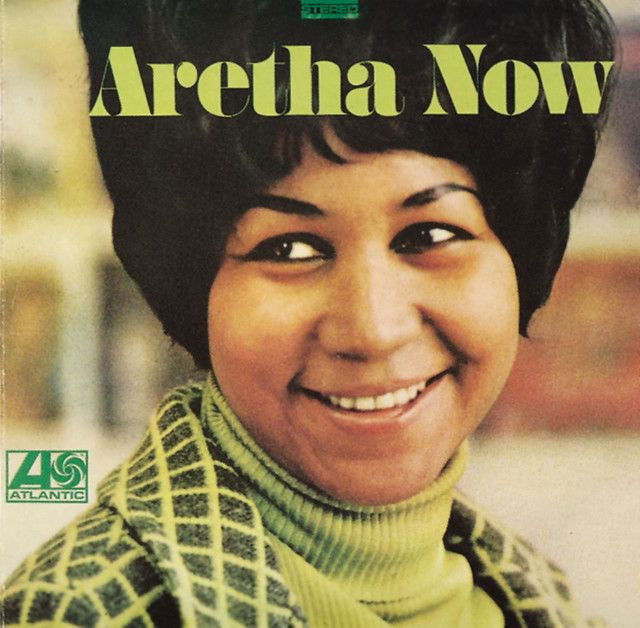
Aretha recorded the song for Aretha Now, produced by Jerry Wexler and released July 26, 1968. It first appeared as the flip to “The House That Jack Built,” then grew into its own hit, peaking at No. 10 on the Hot 100 and No. 3 on the R&B chart.
Musically, her version brightens the tempo and leans on crisp piano, a tight rhythm section, and The Sweet Inspirations’ responses. That gospel-styled call-and-response makes the “prayer” feel communal. Aretha shapes lines with slight pushes and slides, lifting simple words into testimony. The arrangement turns a Brill Building pop framework into warm, Southern-inflected soul with a Sunday-morning glow.
Alternate Readings That Still Ring True
- Interpretation: Romantic devotion. The prayer is to a partner, and the chorus is a pledge of lifelong unity.
- Interpretation: Spiritual gratitude in disguise. The “you” could be God, with the routine becoming daily worship.
- Interpretation: Coping with distance. The steady prayer manages fear of separation while choosing hope.
Each reading fits because the lyric keeps its images open and humble. It invites listeners to place their own loved one—or their faith—inside the frame.
The Quiet Power of Small Moments
In the end, the song suggests love is not proven once; it’s practiced. The narrator centers their partner at every turn, and the music wraps that choice in joy. That’s why Aretha’s version still lands: it blesses the ordinary.
Disclaimer: This article offers interpretation based on the lyrics, known context, and Aretha Franklin’s recording. Individual listeners may hear different meanings.
Sources
- https://en.wikipedia.org/wiki/I_Say_a_Little_Prayer
- https://www.riaa.com/gold-platinum/?tab_active=default-award&ar=Aretha+Franklin&ti=I+Say+a+Little+Prayer
- https://www.rollingstone.com/music/music-lists/best-songs-of-all-time-1224767/aretha-franklin-i-say-a-little-prayer-1225126/
- https://www.discogs.com/release/3521010-Aretha-Franklin-Aretha-Now
- https://www.officialcharts.com/artist/13269/aretha-franklin/








