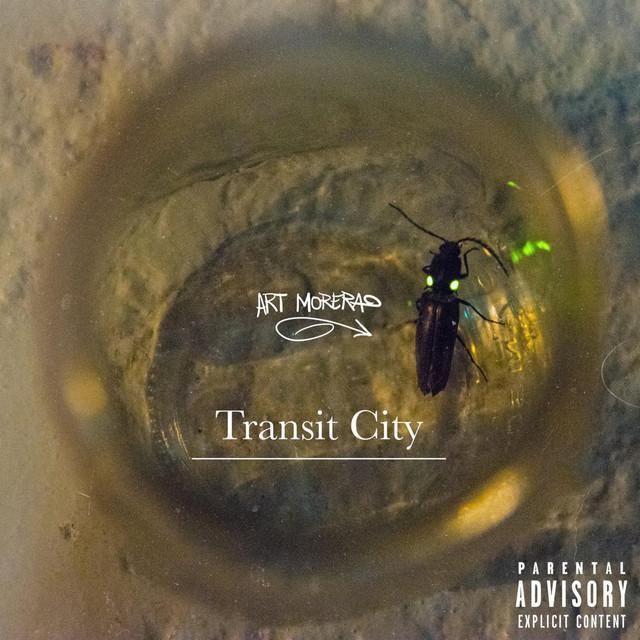
Dilly Dviiy by Art Morera
A pep talk hidden inside game imagery
The meaning of Dilly Dviiy Art Morera centers on survival, self-forgiveness, and the choice to keep going after shame or loss. At its core, the song sounds like a pep talk. It begins in self-doubt, then slowly turns into a steady voice of encouragement.
"Dilly Dviiy" - Art Morera
Not my family, not my friends, nobody
Dilly dally, shilly shally
Loading lyrics...
Unable to load lyrics
We're unable to display the lyrics at this time. Please try again later.
The opening confession is blunt. The speaker feels unable to help anyone and seems cut off from family, friends, and self-worth. From there, the song answers that despair with reassurance, repeating ideas like You're stronger than you think
and Give yourself some credit
. Those lines frame the song as a rescue mission aimed inward.
Interpretation: Rather than telling a story about one dramatic event, the track maps the emotional swing from hopelessness to action. The repeated hook is not empty motivation. It is a way of talking someone off a ledge of guilt and paralysis.
Why the title phrase matters so much
The phrase Dilly dally, shilly shally
comes from Final Fantasy VII: Advent Children, where it carries a sense of hesitation and delay; the film is documented on the Final Fantasy Wiki. In Morera's song, that phrase becomes both warning and rhythm.
It points to the danger of lingering too long in sadness, regret, or avoidance. The speaker keeps nudging the listener not to stall. That is why the title phrase works: it sounds playful, but inside the song it means procrastination can become emotional decay.
From stalling to survival
The verses describe someone stuck in wasted time, a damaged mindset, and unresolved mistakes. Instead of denying that pain, the song admits it. Then it insists that mistakes do not cancel a person's worth.
That shift is important. The song never says suffering is fake. It says suffering is not the end of the story.
Final Fantasy as emotional language
One of the most striking parts of the meaning of Dilly Dviiy Art Morera is how directly it uses Final Fantasy VII references. Morera names Cloud Strife, Jenova, Aerith, the Lifestream, Mako, and limit breaks. These are not random fandom nods. They function like emotional shorthand.
Cloud's broken memory and false identity mirror a person who no longer trusts their own sense of self. Aerith's death stands in for grief that cannot be reversed. Jenova becomes a symbol of the destructive force a person must resist, whether that force is trauma, self-hatred, or despair.
Morera also says his name and recalls buying the game as a kid in Miami. That autobiographical moment makes the song feel personal rather than theoretical. It suggests these references shaped how they learned to think about pain, heroism, and recovery. Readers looking for background on the game's themes can trace them through Square Enix.
The chorus turns comfort into duty
The chorus does more than comfort the listener. It gives them responsibility. When the song says Somebody needs you
, it shifts the frame from private suffering to human connection.
That line matters because it avoids a simple self-help message. The speaker is not only saying, "feel better." They are saying your life affects other people, and that bond is a reason to endure. Even when the wording changes slightly between sections, the message stays firm: survival is meaningful.
You could've died, but you didn't
You're still here
Somebody needs you
Those lines summarize the song's emotional logic. First, there is survival. Then presence. Then purpose.
How the verses build that message
The first verse sounds like triage. It recognizes self-hatred and tries to interrupt it. The second verse pushes harder, warning that avoidance will keep eating away at a person if they keep running.
By the final section, the song becomes almost like a training chant. The repeated push toward action, potential, and unfinished work gives the ending momentum. Phrases such as Heart is the ultimate weapon
turn inner courage into something active and usable.
Interpretation: This structure mirrors recovery itself. First comes reassurance, then honesty, then discipline. The song understands that healing is not just a feeling. It also takes effort.
Sound and delivery support the meaning
Even on the page, the writing suggests a chant-like rap structure, with repetition used as emotional reinforcement. The hook returns again and again like a grounding exercise. That repetition matters because the message is about fighting mental loops with a better loop.
The beat and vocal delivery likely play a major role in how the song lands, especially if the production leans into steady rhythm and clear emphasis on the refrain. The writing itself points that way: short commands, repeated phrases, and game references create a blend of urgency and uplift.
There is also a contrast between conversational detail and mythic imagery. One moment Morera recalls being a kid in Miami. The next, they invoke swords, meteors, and world-saving energy. That mix keeps the song human while making its emotional struggle feel epic.
A song about choosing not to disappear
The deepest meaning of Dilly Dviiy Art Morera may be that shame tells people to withdraw, while love tells them to stay. The song sides with staying. It tells the listener that they are not beyond repair, not finished, and not alone.
For some listeners, this will feel like a mental health anthem dressed in pop-culture language. For others, it may feel like a fan's way of translating Final Fantasy VII into everyday survival. Both readings fit the text.
In the end, the song's power comes from its refusal to romanticize defeat. It admits grief, guilt, and exhaustion, but it keeps pointing toward movement. That is why the hook lingers: it is not merely catchy. It is a challenge to stop drifting and start living again.
Disclaimer: This article offers an interpretation of the song based on its lyrics and available context. Meanings can vary from listener to listener.







