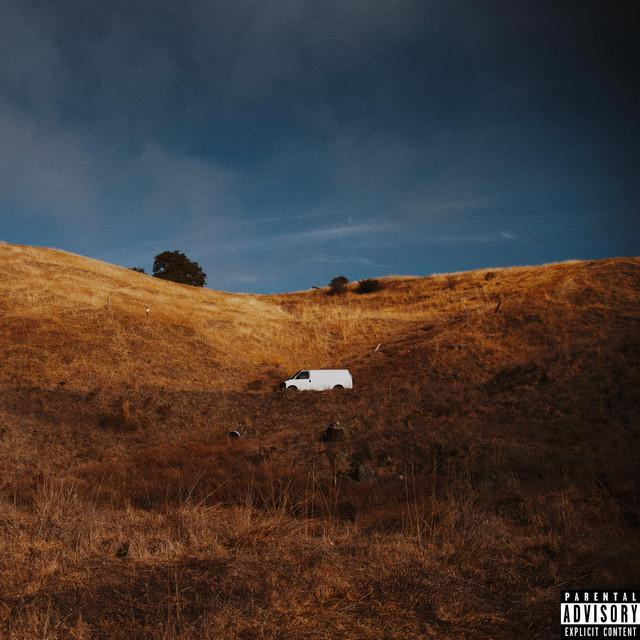
Don't Cry by Art Morera
A road song with a family heart
The meaning of Don't Cry Art Morera comes into focus when they treat the song as both a travel diary and a message home. On the surface, the lyrics follow someone driving through the middle of America, stopping at rest areas, replaying memories, and trying to keep moving. Under that surface, though, the song is about guilt, love, and the wish to turn struggle into something useful.
"Don't Cry" - Art Morera
See it all through my lenses, scratched up
Still see snakes, whether or not the grass cut
Loading lyrics...
Unable to load lyrics
We're unable to display the lyrics at this time. Please try again later.
Arthur Morera is credited as the writer in the song information provided here, and that matters because the lyrics feel deeply personal. They name places, recall small details, and build a life story from motion. That gives the track the intimacy of memoir rather than a broad, fictional narrative.
The central idea: keep moving, keep caring
At its core, this song is about surviving instability without losing tenderness. The verses are full of wary thinking, from damaged trust to fear of getting stopped on the road. Early on, the narrator describes a friendship as full of transactions
, which suggests they have learned to see people through disappointment.
That guarded view is balanced by family devotion. The emotional turning point comes when the song shifts toward the mother figure. The repeated plea don't cry
is simple, but it carries a lot: comfort, apology, and determination all at once.
Interpretation: They seem to believe that making it through hard years is not only about self-preservation. It is also about one day easing a loved one's pain.
How the verses build a life story
From mistrust to open road
The first verse begins with skepticism. Scratched lenses and talk of snakes in the grass suggest they expect betrayal even when danger is not obvious. Then the song moves outward into geography: Nebraska, Kansas City, rest stops, passing cars. These details make the loneliness feel real rather than symbolic.
The road scenes also show a person in between identities. They call themselves a just a phantom
, which implies anonymity, but also emotional dislocation. They are visible enough to travel, yet invisible in any deeper sense.
Memory keeps interrupting the drive
The next key thread is memory. Even while they are moving forward, old scenes keep replaying. A striking example is the mother's FaceTime reaction after they left home. Another is the contrast between not having much and later imagining small moments of celebration.
That tension gives the song its emotional shape. They are not bragging about progress; they are measuring it against what used to be missing. When they say they want to make up for lost time, the song stops being only about escape and becomes about repair.
Why the chorus matters so much
The hook reframes the whole song. When Morera repeats that highway drives could be good for you and that they might as well roam, the idea is not simple freedom. It sounds more like self-therapy.
Being alone in motion becomes a way to think honestly. The road is where fear, ambition, and grief can sit in the same car. That is why the chorus feels calm but sad: it presents wandering not as romance, but as coping.
holding those tears
showing no fear
mama,don't cry
Those lines condense the song's deepest feeling. The mother is hurting, yet staying strong. The narrator sees that effort and answers with reassurance, even if they are still struggling too.
The key themes behind the lyrics
Several themes drive the meaning of Don't Cry Art Morera:
- Survival: They are trying to stay safe, keep control, and move through uncertain spaces.
- Filial love: The mother is the emotional anchor of the song.
- Mobility as healing: Driving is both literal travel and mental processing.
- Class and scarcity: Money worries shape how they think about gifts, work, and dignity.
- Identity in motion: The narrator is still becoming the person they hope to be.
The line about being unable to afford a present but at least being present is especially revealing. It shows how the song values emotional presence over status, even while it admits that financial lack still hurts.
How the sound likely supports the message
Even without official production notes available here, the writing points toward a reflective hip-hop style: conversational bars, place-based detail, and a chorus that opens into emotional repetition. A track like this usually works best with warm keys, light percussion, and enough space in the mix for the voice to sound close.
That kind of production would fit the song's movement between spoken-thought realism and vulnerable confession. The verses need room for storytelling, while the refrain needs softness so the words to the mother land with force.
Artist context and reception angle
Because the lyrics are so specific, listeners are likely to hear the song as autobiographical. That matters for reception: songs about family often connect most strongly when the details feel unpolished and lived-in. Here, small references to road stops, cheap meals, and FaceTime do that work.
For broader artist context, readers can look at Art Morera's Spotify profile and Apple Music page, which help place the track within their catalog. Even without a long public statement from the artist, the song itself gives enough evidence to read it as intimate and confessional.
Final reading: a promise made while driving
In the end, the meaning of Don't Cry Art Morera is not just sadness. It is a vow. They are driving through uncertainty, carrying distrust, fear, and unfinished dreams, but they keep returning to one goal: to live in a way that honors the person who kept loving them.
That is why the song hits. It turns roaming into reflection, and reflection into responsibility.
Disclaimer: This interpretation is based on the lyrics provided and publicly available artist context. Like most songs, it can support more than one valid reading.







