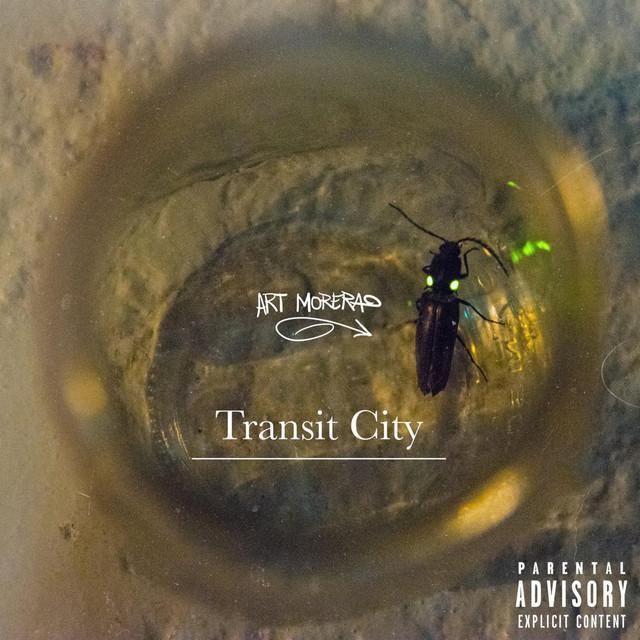
I Live in a Transit City by Art Morera
A Miami Portrait in Motion
The meaning of I Live in a Transit City Art Morera starts with place. On the surface, the song is a vivid tour of Miami at night: cabs, palm trees, tourists, smoke, restaurants, beaches, and people passing through. But Art Morera is doing more than scene-setting. They use the city as a symbol for a life built around movement, short stays, and shifting identity.
"I Live in a Transit City" - Art Morera
Shout out Hiroshi Suzuki, that's the man on piano
A sample Kuro to Shiro chasing the root of all evil
Loading lyrics...
Unable to load lyrics
We're unable to display the lyrics at this time. Please try again later.
The repeated hook, I live in a transit city
, is the key. It describes a real urban environment, but it also sounds like a personal condition. This is a city where people arrive, spend, party, hustle, and leave. Morera presents themselves as someone who belongs to that world and sees its beauty and its danger at the same time.
What the Song Is About Beneath the Surface
At its core, the track is about living in a place that never fully settles. Morera frames Miami as welcoming, glamorous, and alive, yet also temporary and unstable. Early lines invite outsiders in, then quickly warn them that they may not understand the rules. That contrast matters.
When they describe a city full of beautiful people
but also mention lethal streets, the song shows two Miamis at once: the postcard version and the streetwise reality. That split gives the song tension. It is not simply civic pride, and it is not a takedown either. It is a local speaking with affection and caution.
Interpretation: the “transit city” idea suggests that many people treat Miami as a stop, not a home. Morera, by contrast, sounds rooted there. They know the language, rhythms, neighborhoods, and social codes. The song becomes a statement of local identity in a city shaped by visitors.
How the Verses Build the Theme
Hospitality, then suspicion
The first verse opens almost like a host greeting a guest. Morera introduces themselves, switches into Spanish, and offers a warm welcome. That bilingual opening is important because it places Miami’s Latin culture at the center, not the edge. It says this city has its own voice.
Then the mood changes. They ask why the visitor came and list the usual reasons: money, pleasure, quick thrills, fast exits. The point is clear. Many people consume the city without understanding it.
Nightlife as a cycle
The second verse slows down and lingers on sensory details: empty streets, ceiling fans, dim rooms, cabs, food, dates, bottles, and warm air. These details make the city feel intimate rather than flashy. Morera notices the in-between moments, not just the loud attractions.
That is why lines like yellow cab
and warm breeze
matter. They suggest constant motion and soft seduction. Everything drifts by. Even luxury and fame feel temporary.
Before you know itthey go and leavesafe travels
This is the song’s clearest statement of impermanence. People come to perform a fantasy, then disappear. Morera stays behind to watch the cycle repeat.
Why the Chorus Hits So Hard
The chorus is simple, but that simplicity is the point. Each time Morera repeats transit city
, the phrase grows in meaning. At first it sounds geographical. Later it feels emotional.
A hook like this works because it can hold several ideas at once:
- a city built on tourism
- a social scene defined by temporary relationships
- a personal life surrounded by arrivals and departures
- a local identity formed by watching others pass through
Interpretation: the chorus may also hint at loneliness. If everyone is moving, staying connected becomes harder. Even pleasure can feel thin when nothing lasts.
Sound, Sample, and Atmosphere
The production helps explain the song’s meaning. Morera references pianist Hiroshi Suzuki and the piece “Kuro to Shiro,” signaling a sample-based approach rooted in jazz texture. That matters because jazz-inflected sampling often creates a hazy, reflective mood rather than a hard, aggressive one. The result fits a song about drift and observation.
The beat likely works as a loop that mirrors city repetition: cars pass, people visit, nights blur together. Morera’s vocal style also matters. They do not sound rushed by the scenery. Instead, they move through it with calm control, like someone giving a late-night tour of a place they know deeply.
That measured delivery makes the song feel more thoughtful than boastful. Even when they mention status symbols and celebrity behavior, the tone suggests distance. They are watching the spectacle, not getting lost in it.
The Falling Image at the End
Near the end, the lyrics shift from city snapshots to a strange physical sensation: falling, twisting, increasing speed, yet somehow staying upright. This is the song’s most abstract moment.
Interpretation: this image may represent life in a transit city itself. Everything is unstable, fast, and slightly disorienting, but the speaker has learned how to remain standing inside that motion. It could also suggest emotional vertigo: being surrounded by change so often that instability starts to feel normal.
This ending deepens the song. Without it, the track might read as a stylish city vignette. With it, the song becomes more psychological.
Why the Song Connects
Part of the appeal is how specific it feels. Morera names Miami details like Biscayne Boulevard and blends English with Spanish, giving the song local texture. That specificity helps the larger message land. The more precise the setting, the more believable the emotional truth.
For listeners in the United States, especially those familiar with fast-changing cities, the song may resonate beyond Miami. Plenty of places are shaped by tourism, migration, money, and image. Morera turns that modern urban feeling into something personal.
For more on the artist’s catalog, listeners can check Morera’s music pages on Apple Music and Spotify.
Final Take on the Meaning
The meaning of I Live in a Transit City Art Morera is about more than loving Miami. It is about living in a place where beauty and danger, welcome and distrust, glamour and emptiness all exist together. Morera presents the city as alive, seductive, and always in motion, while also showing what that constant movement does to the people who call it home.
Their message is not that transit is bad. It is that passing through and truly belonging are different things.
Disclaimer: This interpretation is based on the lyrics provided and publicly observable musical context. As with any song, meaning can remain open to the artist’s own intent and each listener’s experience.







