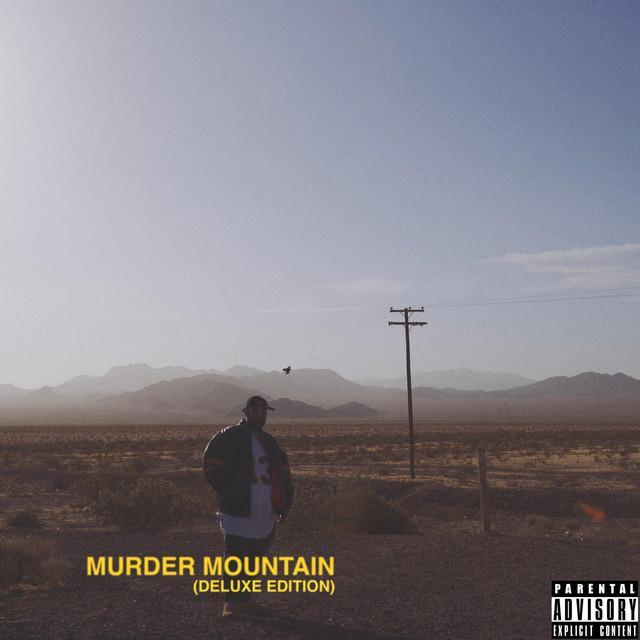
Laughing To Myself by Art Morera
A dark joke with real fear underneath
The meaning of Laughing To Myself Art Morera centers on surviving a period of anxiety by turning dread into wit. The song presents a speaker who feels trapped, restless, and unsure who to trust, including themselves. What keeps the track compelling is that it does not pretend everything is fine. Instead, it uses sharp jokes, strange images, and confession-like details to show how unstable everyday life can feel.
"Laughing To Myself" - Art Morera
Pixelated Polaroids of the 6-8 year old nerdy boy that I was
I'm bout to turn 34, certain life could be worth more
Loading lyrics...
Unable to load lyrics
We're unable to display the lyrics at this time. Please try again later.
This is a first-person lyric, but the emotional effect is wider than one person. The song clearly points to 2020, a year of lockdowns, illness fears, and social strain. When the narrator mentions many ways to die in that year, the line is blunt, but it frames the whole song: danger is everywhere, and ordinary routines no longer feel safe.
The song’s core meaning: humor as self-defense
At heart, the track is about emotional survival. The speaker looks back at childhood, measures their adult life, and wonders whether things should feel more settled by now. That self-check appears in the line about being almost 34 and certain life should offer more. The effect is not just disappointment. It is a midlife pause filtered through crisis.
The title idea of “laughing to myself” suggests a private coping method. Interpretation: they laugh not because life is easy, but because dark humor is one way to keep panic from taking over. That reading fits the song’s habit of moving from danger to absurdity in a single breath.
One short phrase captures the emotional search: searching for warmth
. On the surface, that means comfort during winter. Beneath that, it suggests a need for safety, connection, and meaning in a cold period of life.
Memory, age, and the uneasy self-portrait
The opening moves from the present into memory. The speaker sees old snapshots of a nerdy boy
, which creates a contrast between innocence and adult strain. Those images matter because they suggest continuity: the anxious adult and the sensitive child are still the same person.
The song also uses small personal details to avoid sounding abstract. The mention of a cave, a van, dirty shoes, and a mask grounds the fear in everyday objects. Rather than making a grand statement about society, Art Morera shows how history enters private life.
That makes the song feel intimate. The narrator is not delivering a speech. They are thinking out loud, almost as if recording a mental spiral in real time.
A 2020 song without sounding like a slogan
The most direct context clue is the reference to the year 2020
. That line helps explain why the song feels boxed in. It is full of shut doors, bad weather, and danger outside. The image of being stuck in mud during a storm turns stress into a physical scene. Nothing moves easily. Even leaving home feels risky.
Another line sharpens that idea:
Can I even trust myselfnowadays I'm not so sure
Those words condense the song’s deepest fear. The problem is not only the world outside. The speaker’s own judgment feels shaky too. That is why the song lands harder than a simple quarantine diary. It is about the collapse of confidence.
Images that carry the theme
Several images do heavy symbolic work:
- Winter and warmth: emotional coldness, isolation, and the hope of relief.
- Mud and storm: being stuck during a crisis.
- The van: a temporary shelter, not a true home.
- The mask: an object meant to protect, but one the speaker doubts.
- Old photos: memory as both comfort and evidence of lost time.
One of the song’s smartest lines compares risk to being tied to a bungee cord. Interpretation: even acts that look brave may be controlled, limited, or only partly free. That idea fits the whole track. The speaker wants motion and change, yet keeps finding restraints.
The song also uses surreal humor, like the Jumanji image, to make danger feel random and exaggerated. That kind of reference turns anxiety into something almost cartoonish, which makes it easier to say out loud.
How the writing style shapes the meaning
Morera’s writing here is dense, conversational, and image-rich. The rhymes tumble forward with very little pause, which mirrors an overactive mind. Thoughts do not arrive in neat sections. They pile up. That rapid movement helps the song feel like a lived-in stream of thought rather than a polished summary.
There is also a push and pull between seriousness and comedy. A phrase like burned before
sounds tough at first, but in context it also hints at repeated pain and numb acceptance. The song keeps shifting between resilience and exhaustion.
That balance is important to the meaning of Laughing To Myself Art Morera. If it were only bleak, it might feel heavy-handed. If it were only witty, it might feel distant. Instead, it lives in the middle, where many people actually process fear.
Sound and delivery: why the mood hits
Even without extensive production notes publicly available, the lyric itself suggests a hip-hop or spoken-word style built on flow, internal rhyme, and close-mic intimacy. The vocal delivery likely matters as much as the words. A dry or half-amused tone would strengthen the idea that humor is being used as armor.
The packed phrasing also supports the theme. Fast, chained images can sound like a mind trying to stay ahead of dread. If the beat is steady beneath that, it creates tension between control and panic: the music keeps moving while the thoughts wobble.
Final reading: a portrait of private instability
In the end, the song is less about one event than one state of mind. It captures what happens when a person feels trapped between memory, danger, and self-questioning. They joke, observe, and confess, but never fully relax.
That is why the track feels honest. It shows a person trying to remain mentally agile in a world that suddenly seems unsafe and absurd. Interpretation: the laughter in the title is not joy. It is a survival reflex, a way to keep speaking when certainty is gone.
This interpretation is based on the lyrics provided and limited public credit information. As with any song, listeners may hear meanings that differ from this reading.







