Why 'My Own Grave' Feels Like a Public Confession
The meaning of My Own Grave As I Lay Dying starts with a blunt idea: a person can ruin their own life, then finally admit it. The song does not hide behind vague poetry for long. Its main image is simple and severe. The narrator says they are trapped in a grave they made themselves.
"My Own Grave" - As I Lay Dying
The lies, the weight
It's clear I lost my way
Loading lyrics...
Unable to load lyrics
We're unable to display the lyrics at this time. Please try again later.
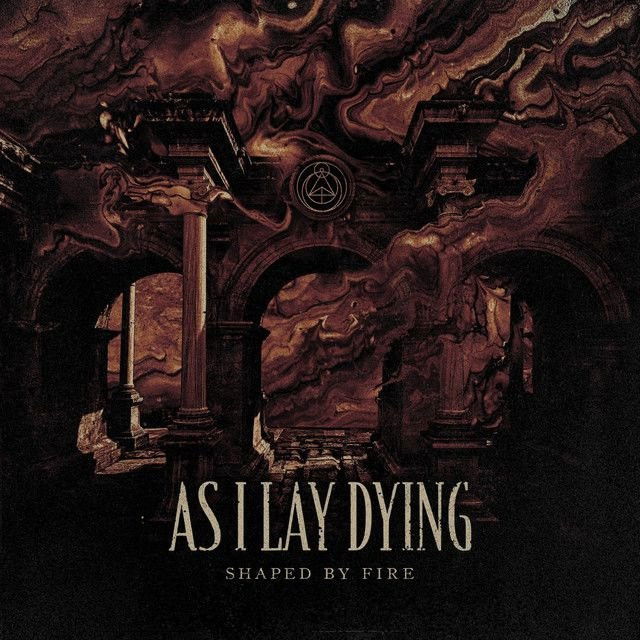
That directness matters because this was As I Lay Dying's first single in six years, released on June 8, 2018, and later included on Shaped by Fire. It was also the band's first major release after the legal scandal involving vocalist Tim Lambesis, a context documented by major references including the song's release history and reunion timeline. Even without external context, though, the lyrics stand on their own as a statement of guilt, self-deception, and painful self-recognition.
The Song's Core Idea Is Responsibility
At the center of the track is a refusal to shift blame. The key confession comes in the repeated line no one else to blame
. Before and after that phrase, the song explains how the narrator got there: not by accident, but through lies, pride, and repeated bad choices.
This is why the title image works so well. A grave is usually something final, cold, and unavoidable. Here, it is also self-made. The narrator is not only suffering; they are admitting they created the conditions of that suffering.
Interpretation: The song reads like a moral reckoning. It is less about asking for sympathy than about naming the damage honestly.

Watch the official My Own Grave
music video
Building or Digging? The Song's Best Metaphor
The smartest writing in the song comes from the contrast between creation and destruction. The narrator once believed they were making something meaningful, but later realizes they were only tearing things down. That turn appears in the striking phrase just moving dirt
.
In other words, they mistook activity for growth. They thought they were building a life, a reputation, or a future. Instead, they were covering harm and deepening isolation. The lyrics describe this with images of piling mud over malice and making walls so deep that no one could hear them fall.
That is what gives the song emotional force. The problem is not only wrongdoing. It is self-delusion. The narrator had convinced themselves that the damage was structure, that concealment was strength, and that distance was protection.
How the Chorus Turns Guilt Into a Verdict
When the chorus lands on buried alive
and my own grave
, it transforms the verses into a verdict. The earlier lines explain the process; the chorus gives the sentence. The person is now trapped inside the consequences of what they made.
There is also a crucial emotional detail here. The grave is not just beneath them. It surrounds them. That suggests guilt is no longer abstract. It has become a full environment, a closed space with little room to escape.
A brief lyric snapshot
Beneath my pride crushing me
Beneath my lies collapsing
Those two lines sharpen the point. Pride and lies are not shields anymore. They have turned into weight. What once seemed protective now causes the collapse.
The Most Hopeful Line Comes Late
For all its heaviness, the song does leave a narrow path forward. That path appears in the repeated phrase still alive
. After all the burial imagery, that line sounds almost shocking.
It suggests that recognition, while brutal, is also the first step toward change. The narrator has not escaped the grave yet, but they are at least conscious inside it. That matters. The song is not redemption itself. It is the moment before redemption could even begin: the moment of honest admission.
Interpretation: This is why the song resonates with listeners beyond the band's own story. Many people understand what it means to wake up inside consequences they helped create.
Why the Band Context Changes the Meaning
As a factual matter, "My Own Grave" was As I Lay Dying's first single after Lambesis's 2013 incarceration and the band's eventual reunion. It was released with a minimalist white-soundstage video and was credited to the band members, with production by As I Lay Dying and Drew Fulk. It also drew sharply divided reactions: some praised the music, while others questioned the ethics of supporting the band after the case.
That context makes the song feel unusually public. Listeners did not hear it in a vacuum. They heard confession, comeback, and controversy all at once.
Still, it is important to separate fact from reading. Interpretation: Many hear the song as Lambesis addressing his downfall and its consequences. That is a reasonable reading because the lyrics focus so strongly on personal blame and self-made ruin. But the band also wrote it in a collaborative setting, and the song works even if heard more broadly as a statement on accountability.
How the Sound Carries the Message
Musically, the track is classic As I Lay Dying metalcore: tight riffing, double-kick drumming, harsh verses, and a melodic chorus. That structure helps tell the story.
The screamed vocals sound like accusation and inner panic. Josh Gilbert's cleaner singing in the chorus opens the emotional field, making the confession feel bigger and more exposed. The guitars hit with a grinding, downward force that mirrors the burial imagery, while the polished production keeps every section clear rather than chaotic.
That clarity matters. A muddy mix would have softened the message. Instead, the arrangement feels deliberate, almost surgical, as if the band wants every blow to register.
Final Take on the Meaning
The meaning of My Own Grave As I Lay Dying is about owning the wreckage caused by lies, ego, and denial. Its grave metaphor is memorable because it turns guilt into architecture: the narrator built the trap, then had to live inside it.
What makes the song powerful is that it does not stop at shame. It also hints that brutal honesty is the first sign of life. That does not erase the past, but it does make change imaginable.
Disclaimer: Song interpretation is never fully objective. This reading is based on the lyrics, the song's musical design, and publicly known release context, but listeners may hear its meaning differently.









