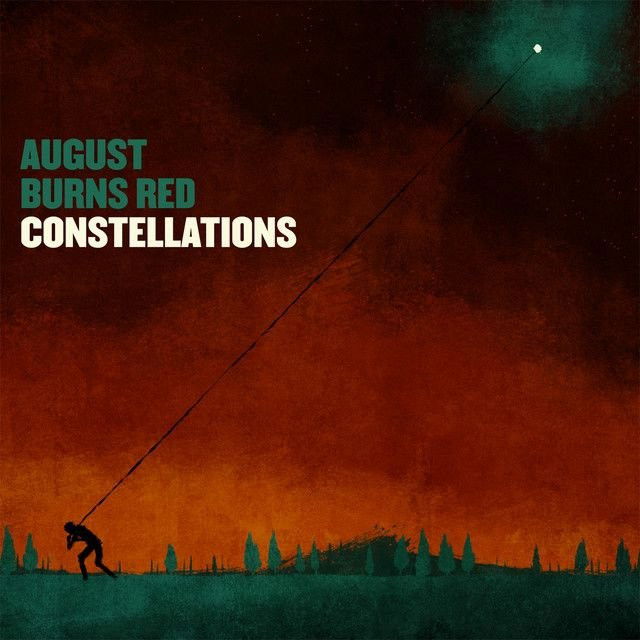
White Washed by August Burns Red
August Burns Red’s “White Washed” sounds like a direct hit, and that is exactly why it lasts. For listeners searching for the meaning of White Washed August Burns Red, the core idea is fairly clear: they present a speaker who is fed up with moral control, tired of being judged, and ready to call out hypocrisy.
"White Washed" - August Burns Red
And dissect your own life.
It's not about my beliefs.
Loading lyrics...
Unable to load lyrics
We're unable to display the lyrics at this time. Please try again later.
The song does not hide behind vague poetry. It is blunt, fast, and confrontational. Still, beneath the anger, there is a thoughtful message about personal choice, spiritual pressure, and the damage done when someone claims the authority to decide what is right for everyone else.
The Real Conflict at the Song’s Center
At its heart, “White Washed” is about resistance. The speaker pushes back against someone who tries to enforce “controlling values” and demand purity. Early on, the lyrics frame the issue as individual freedom rather than belief alone. When the song says it is about personal choice
, it shifts the argument away from abstract doctrine and into lived experience.
That matters because the song is not simply saying, “They disagree.” It is saying the other person has crossed into domination. The speaker is not upset by difference; they are upset by pressure, shame, and the attempt to police another life.
Interpretation: This is why the title “White Washed” feels important. It suggests being covered over in false cleanliness or forced innocence. In that reading, the song attacks the demand to look morally spotless while ignoring deeper harm.

Watch the official White Washed
music video
Who the Speaker Is Fighting
The lyrics never name the target directly, and that gives the song wider power. The other person could be a religious authority, a judgmental peer, or any leader who confuses influence with ownership. What matters is the pattern: they ask the speaker to be blameless
while acting as if they alone can define righteousness.
That accusation drives the whole track. The key question, paraphrased, is simple: who gave this person the right to decide what is right? The lyric who are you to decide
is the moral center of the song. It turns the spotlight back on the accuser.
This reversal is one reason the song resonates with so many listeners. Even if they do not share the exact situation, many know what it feels like to be judged by someone whose certainty seems more self-serving than compassionate.
Why the Chorus Hits Like a Breaking Point
The repeated warning don’t say another word
is more than a catchy hook. It marks the moment when discussion collapses. The speaker is no longer negotiating. They believe the line has been crossed.
That refrain works because it is so absolute. Instead of asking for understanding, they issue a boundary. Then the phrase you’ve crossed the line
makes the emotional logic unmistakable: this conflict has moved from disagreement into violation.
Interpretation: The chorus sounds like a survival response. It is not just anger for effect. It feels like someone defending their identity after repeated attacks.
The Sharpest Images in the Lyrics
“White Washed” uses a few compact images rather than lots of symbolism. That fits the band’s style. The strongest lines focus on pressure and pain. The other person becomes the straw that’s crushing my back
and the force that keeps reopening injury.
Those images matter because they describe cumulative damage. A straw is small on its own, but here it represents the final burden after too much has already built up. Likewise, the wound image suggests that judgment is not only insulting; it keeps existing hurt alive.
Then the song makes a surprising move. Near the end, the speaker thanks the other person for pen and ink ammunition
. In plain terms, they turn conflict into art. The pain becomes material, and the attack becomes inspiration.
That twist gives the song a second layer. It is not only about resisting control. It is also about reclaiming power through writing and expression.
How August Burns Red’s Sound Carries the Message
August Burns Red are widely known in modern metalcore for technical guitar work, breakdowns, and aggressive precision, a style documented across their catalog and band history from sources like AllMusic and Solid State Records. That musical identity matters to the meaning here.
The song’s production and performance make the confrontation feel physical. Fast drumming, tight riff changes, and harsh vocals create constant forward pressure. There is very little softness, which suits lyrics about refusing manipulation.
The rhythm section does a lot of emotional work. The drums push with near-military force, while the guitars cut in jagged patterns that feel unstable and tense. Jake Luhrs’ vocal delivery sounds like a challenge thrown directly into someone’s face.
Interpretation: If the lyrics are the argument, the instrumentation is the emotional evidence. The band do not merely describe resistance; they make it audible.
Artist Context Helps Explain the Message
“White Washed” appeared on Constellations by August Burns Red, released in 2009, one of the albums often cited as a major statement in metalcore from that era, as noted by sources such as AllMusic. The song was written by Brent Rambler, Dustin Davidson, Jake Luhrs, John Brubaker, and Matt Greiner.
The band have long been associated with Christian metalcore, but they have also resisted being reduced to a label. That broader context makes this song especially interesting. Rather than sounding like a sermon, it sounds like a protest against coercion.
So the meaning of White Washed August Burns Red is not best understood as simple rebellion for its own sake. It is a defense of conscience. The song argues that belief without humility becomes control, and control eventually becomes harm.
Final Take on “White Washed”
The lasting power of “White Washed” comes from how clearly it turns private frustration into public release. They give listeners a song about judgment, hypocrisy, and reclaiming agency, then deliver it with enough force to make every line feel urgent.
That said, any song can hold more than one meaning. This reading is an interpretation based on the lyrics, the band’s context, and the sound of the recording, not a definitive statement from the band about every line.







