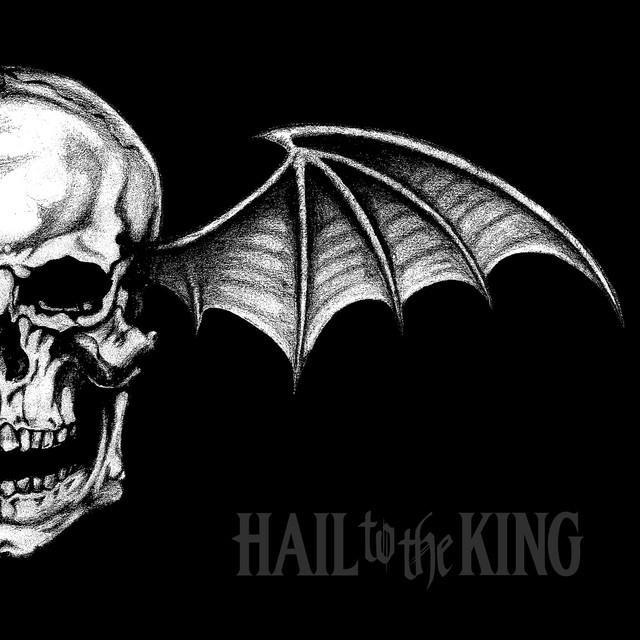
Why "Hail to the King" Hits So Hard
The meaning of Hail to the King Avenged Sevenfold starts with a simple image: a ruler demands worship, and everyone else pays the price. On the surface, the song plays like a dark medieval march. Under that surface, it asks a bigger question about power, obedience, and why people keep bowing to it.
"Hail to the King" - Avenged Sevenfold
Save your life by keeping whispers unsaid
Children roam the streets now orphans of war
Loading lyrics...
Unable to load lyrics
We're unable to display the lyrics at this time. Please try again later.
Released as the lead single and title track from Hail to the King in 2013, the song marked a new phase for Avenged Sevenfold and became one of their defining hits, according to Songfacts. Its huge chorus helped it move beyond metal circles into sports arenas and mainstream rock culture.
A Crown, a Threat, and a Warning
The lyrics paint a kingdom ruled by terror. The opening threats suggest that even speech is dangerous, with dissent punished fast. Images of war, public death, and fear in the streets build a world where power is maintained through brutality, not respect.
That is why short phrases like Watch your tongue
and orphans of war
matter so much. They do not just set a scene; they show a system where ordinary people are trapped under a violent regime.
Interpretation: The song is not only describing one evil ruler. It is also showing how authority can turn itself into theater. The people are expected to praise the very force that harms them.

Watch the official Hail to the King
music video
What the Chorus Really Celebrates
The chorus sounds triumphant, but the words tell a darker story. Commands like Kneel to the crown
turn praise into submission. The chant of Hail to the King
feels less like admiration and more like forced allegiance.
That tension is the key to the song. Musically, the hook is built to sound empowering. Lyrically, it describes surrender. Avenged Sevenfold use that contrast to make the listener feel the seduction of power while also exposing its violence.
This fits what M. Shadows told Kerrang!, as quoted by Songfacts: the song was meant as a question about how society sees itself and why people keep looking to kings, presidents, or religious figures to run their lives.
Beyond Medieval Fantasy
On first listen, the song seems locked in a fantasy world of blades, thrones, armor, and conquest. That imagery is real, but it is also symbolic. The king can stand in for any system that demands loyalty and punishes resistance.
The line about death riding in with armor turns political control into a living force. The phrase take all your rights
makes the point even sharper. This is not just a battle song. It is about what happens when power arrives claiming order while stripping freedom.
A Useful Way to Read the Story
Readers can break the narrative into three steps:
- A ruler silences dissent.
- Violence becomes public spectacle.
- The crowd is pushed to praise the throne anyway.
That structure gives the song its menace. Each verse raises the cost of disobedience, and each chorus turns that fear into ritual.
How the Sound Builds the Message
Part of the meaning of Hail to the King Avenged Sevenfold comes from how it sounds. The band intentionally wrote a simpler, more direct anthem than much of their earlier material. M. Shadows said they wanted something that could live beside AC/DC or Metallica's Black Album, according to Songfacts.
That choice matters. The slower stomp, big drum feel, and straightforward vocal line make the song sound like a public declaration. Instead of technical chaos, they chose control. That controlled heaviness mirrors the ruler at the center of the lyrics.
Synyster Gates also said his intro technique drew from gypsy jazz ideas, quoted by Songfacts. That gives the song a slightly regal, stylized opening before it drops into its blunt riff. The result feels ceremonial, almost like a march toward a throne room.
Why It Became So Big
The song's success makes sense once its design is clear. It is easy to chant, easy to remember, and built for large spaces. That is one reason it crossed into wrestling, sports events, and other hype-heavy settings, as noted by Songfacts.
But that popularity also creates an interesting twist: a song about mass submission became a crowd anthem. That does not erase the message. If anything, it proves how effective the band were at capturing the emotional pull of power.
Two Strong Interpretations
Interpretation 1: It is a villain song about a tyrant taking total control. This is the most direct reading and matches the lyrics clearly.
Interpretation 2: It is a critique of society's habit of creating idols and rulers. This reading is strongly supported by M. Shadows' comments about people always needing leaders above them.
Both can be true at once. The fictional king becomes a mirror for real-world systems of obedience.
The Lasting Meaning
What keeps the song interesting is its double effect. It feels thrilling, but its story is ugly. It sounds like a coronation, yet it describes domination.
That is why the meaning of Hail to the King Avenged Sevenfold still lands years later. They built a song that understands power's greatest trick: making submission feel grand.
Disclaimer: This interpretation blends documented artist comments with lyrical analysis. As with most songs, individual listeners may hear different meanings in the imagery and tone.









