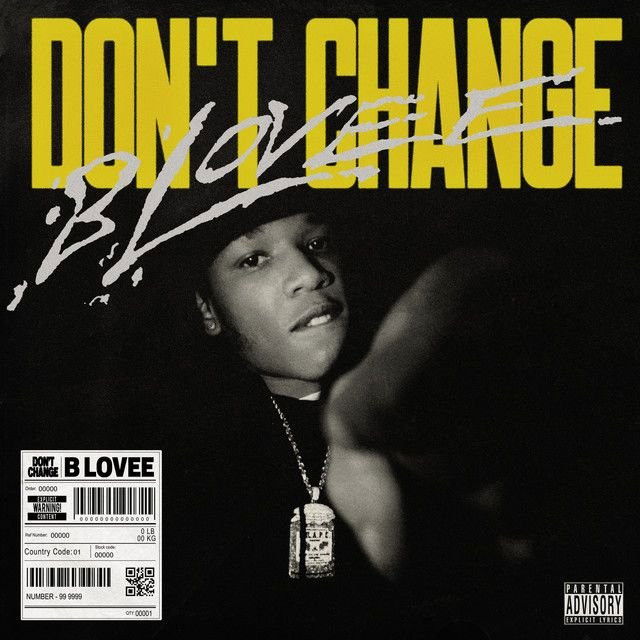
Don't Change by B-Lovee
Why This Track Feels So Cold
The meaning of Don't Change B-Lovee comes down to a hard mix of grief, loyalty, and survival. The song does not present pain as something soft or healing. Instead, it shows pain turning into vigilance, anger, and a promise to stay the same no matter what pressure comes next.
"Don't Change" - B-Lovee
Grrah, ah
(5ive Music)
Loading lyrics...
Unable to load lyrics
We're unable to display the lyrics at this time. Please try again later.
B-Lovee emerged from the Bronx drill wave, a scene widely associated with sparse, aggressive beats and direct street storytelling in outlets like Pitchfork and Rolling Stone. In that context, “Don’t Change” fits the style, but it also reveals something more personal: beneath the threats and bravado, they sound wounded.

Watch the official Don't Change
music video
The Core Meaning: Loyalty After Loss
At the center of the song is responsibility. Early on, the narrator says I can't fold
, then explains that other people depend on them. That line frames the whole track. They are not just talking about toughness for its own sake; they are talking about staying solid because changing would feel like betraying their circle.
The grief is even clearer when they admit, I lost bro
. That loss shifts the mood of the song from simple aggression to mourning. The following image, everything red
, suggests a mind colored by rage and trauma. Interpretation: red works both as blood imagery and as a sign that grief has taken over their whole field of vision.
That emotional logic matters. The threats in the song are not described as random. They are framed as a response to death, pressure, and the need to uphold a code.
A Mind Trapped Between Pain and Paranoia
Another key part of the meaning of Don't Change B-Lovee is isolation. The narrator says they are stuck in my head
, which turns the song inward for a moment. Even in a track full of crew language and public toughness, there is a private mental battle underneath.
They also distrust communication, claiming everything is watched or exposed. That kind of paranoia is common in drill writing, where phones, informants, and surveillance often stand in for a world that feels unsafe. Here, the point is not just fear of law enforcement. It is the feeling that there is no safe place to relax or grieve.
This is where the song becomes more than a list of threats. It describes a person trying to carry loss while living in constant alert.
The Hook Turns Trauma Into Routine
The chorus is important because it repeats duty, vengeance, and emotional numbness in a loop. The recurring references to spinning back and staying ready make the song feel repetitive on purpose. The structure mirrors a trapped mindset: the same pain produces the same response over and over.
Why they hate?It get better
Those brief lines sit close together in the song, and that contrast is revealing. One line asks for understanding because the hate still hurts. The other tries to self-soothe. Interpretation: the track shows someone trying to talk themselves through pain, but never fully escaping it.
That tension gives the hook its force. It is not hopeful in a clean way. It sounds like survival talk repeated just to get through another day.
Street Power, Success, and the Refusal to Soften
The verses also connect violence with status. B-Lovee moves from mourning to material gain, pointing to jewelry, mobility, and the ability to buy property. That shift matters because drill often treats success as proof of endurance. If they made it this far, then the lifestyle and mindset must have worked.
But the song does not suggest peace comes with success. Even when they sound richer or more powerful, the language stays combative. Interpretation: that is the “don’t change” idea in practice. Money can alter surroundings, but not the code, the memory of the dead, or the readiness for conflict.
This also makes the title concept ironic. In many songs, not changing would mean staying loving or authentic. Here, it means refusing to become softer, more trusting, or more forgiving.
How the Production Carries the Meaning
The song credits include Jeremy Felton, Keith James, Mick Shultz, Qwayshawn Cannon, and Sadiki Adisa Forbes as writers, according to the information provided. The production tag 5ive Music
signals the beat’s identity right away.
Sonically, the track follows drill’s stripped-down method: heavy low end, sharp percussion, and space around the vocal. That space matters. It lets each threat land bluntly, but it also lets the emptier lines about grief and mental pressure ring out.
The delivery is clipped and forceful rather than reflective. That choice fits the message. They do not sound like someone safely processing pain after the fact. They sound like someone still inside it.
Final Take on the Song’s Meaning
So, what is the meaning of Don't Change B-Lovee? It is a portrait of a person who believes loyalty means staying dangerous, staying guarded, and staying emotionally tied to the dead. The song treats grief as fuel, not closure.
Its most revealing moments are not only the threats. They are the flashes of hurt underneath them: needing to stay strong, wondering why people hate, and trying to believe things will improve. That is what gives the song its tension. It is about revenge on the surface, but underneath, it is about what grief does to identity.
Disclaimer: This interpretation is based on the lyrics provided, the song’s style, and publicly known context around Bronx drill. Like any song analysis, some meanings remain open to listener interpretation.








