Why "Hymn" Is More Warning Than Worship
Barclay James Harvest’s "Hymn" can sound spiritual on first listen. It mentions Jesus, heaven, God, and rising into the sky. But the meaning of Hymn Barclay James Harvest is more complex than a simple religious statement.
"Hymn" - Barclay James Harvest
If you want to see God you've got to move on the other side
You stand up there with your head in the clouds
Loading lyrics...
Unable to load lyrics
We're unable to display the lyrics at this time. Please try again later.
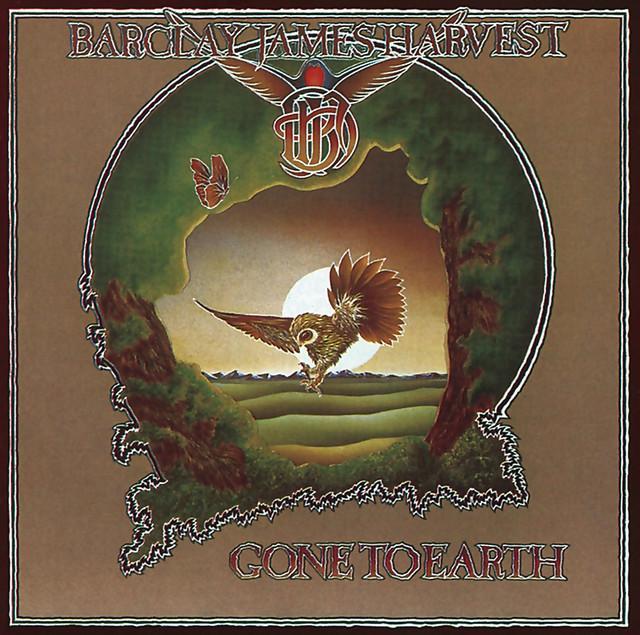
According to Songfacts, John Lees wrote the song in 1971, and it was later released on Gone to Earth in 1977. That same source says the song has been described as being about the dangers of drug abuse, using religious language to compare chemical highs with the promise of spiritual lift. That idea helps explain why the song feels both reverent and uneasy at the same time.
The Core Message Hides Inside Sacred Imagery
On the surface, the lyric retells parts of the story of Jesus. It references his birth, teaching, death, resurrection, and ascension. In plain terms, the song walks through a familiar Christian narrative.
But the key refrain changes the frame. When the lyric says don't try to fly
, it sounds less like worship and more like caution. The song seems to warn that people chase transcendence in risky ways, hoping to rise above pain, limits, or ordinary life.
Interpretation: That is why the religious story matters here. Jesus becomes a contrast point. His ascent represents true spiritual elevation, while human attempts to “fly” can suggest artificial escape, pride, or self-destruction.

Watch the official Hymn
music video
A Story About Height, Fall, and Human Risk
The opening images set up a world of distance and strain. The line about the valley's deep
and the mountain being high gives the song a dramatic physical landscape. It suggests that reaching God, peace, or truth is hard.
Then the song adds another warning: head in the clouds
. That phrase can mean idealism, delusion, or intoxication. In everyday English, it often points to someone who is detached from reality.
That matters because the lyric keeps returning to descent and ascent. Jesus comes down, people raise him up, he rises again, and then he ascends. Human beings, meanwhile, are told not to force that same movement. The contrast is central to the meaning.
The Narrative in Brief
- A difficult spiritual landscape is introduced.
- Jesus enters the human world and teaches.
- Humanity rejects and kills him.
- He rises and ascends.
- The listener is warned not to seek false flight.
This sequence gives the song both narrative shape and moral force.
Why the Drug Interpretation Fits So Well
The strongest factual context comes from later commentary cited by Songfacts: the song was described as being primarily about drug abuse, and Lees reportedly dedicated it to Jimi Hendrix, Janis Joplin, Paul Kossoff, and others lost to addiction. That does not erase the Christian imagery. Instead, it explains why the lyric uses it.
Interpretation: In this reading, you might not come down
is the key phrase. It works literally in the song’s language of height, but it also sounds like a warning about getting high and never returning safely. The phrase is simple, but it carries the whole idea.
This reading also explains why the song avoids sounding preachy. It does not lecture in direct terms. It builds a symbolic parallel between sacred transcendence and dangerous man-made substitutes.
The Sound Makes the Warning Feel Majestic
"Hymn" appeared on Gone to Earth, the band’s eighth studio album, released in September 1977 and recorded at Strawberry Studios in Stockport, according to Wikipedia’s album entry. The album is usually grouped under progressive rock, and that style matters here.
The arrangement gives the song a wide, elevated feeling. The steady drums, layered keyboards, and ringing guitars create a sense of ceremony. Instead of sounding dark and gritty, the track sounds grand. That contrast is powerful.
Interpretation: The production mirrors the temptation inside the lyric. The music feels uplifting, even beautiful, which makes the warning more convincing. False transcendence rarely arrives looking ugly. It arrives glowing.
Why the Song Endures
"Hymn" became one of the group’s best-loved songs. Songfacts notes that it won fan poll recognition, while the Gone to Earth album performed especially well in Germany, where Wikipedia says it spent a long time on the charts.
Part of that staying power comes from ambiguity. A religious listener can hear a meditation on faith. Another listener can hear a warning about addiction. Someone else may hear a broader message about human arrogance: the urge to play God, chase ecstasy, and ignore consequences.
For this we killed him
He rose again
Those brief lines capture the song’s emotional turn. Humanity destroys what could save it, then still fails to learn the lesson. That makes the ending warning feel even sadder.
Final Take on the Meaning of Hymn Barclay James Harvest
The meaning of Hymn Barclay James Harvest rests in its double vision. It uses the life of Jesus not just to tell a sacred story, but to measure human weakness against true transcendence. The result is a song about longing, danger, and the cost of trying to rise too fast by the wrong means.
That blend of spiritual language and earthly warning is what gives "Hymn" its lasting power. It sounds like a celebration, but underneath, it is a cautionary song.
Disclaimer: This interpretation combines documented context with close reading of the lyrics. As with many classic songs, some meanings remain open to listener interpretation.







