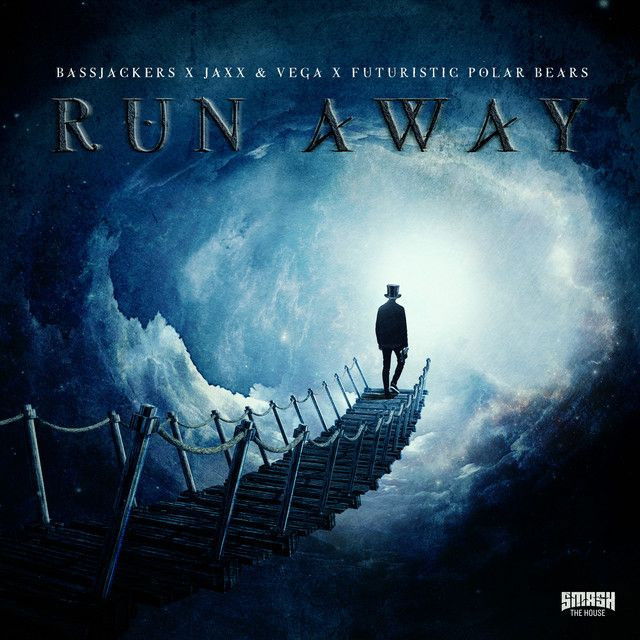
Why 'Run Away' Turns Escape Into a Rave Command
The Core Idea Behind the Drop
The meaning of Run Away Bassjackers, Jaxx & Vega, Futuristic Polar Bears is less about a detailed story and more about a feeling: release. The track takes a tiny set of repeated lines and turns them into a festival-sized message about breaking routine, giving in to motion, and losing the self in a crowd.
"Run Away" - Bassjackers, Jaxx & Vega, Futuristic Polar Bears
Run away, turn away
Run away
Loading lyrics...
Unable to load lyrics
We're unable to display the lyrics at this time. Please try again later.
That matters because the song does not build meaning through plot. It builds meaning through repetition. The call to run away
and turn away
suggests a fast decision to leave something behind, even if the song never says exactly what that thing is.
Interpretation: In this kind of EDM track, that vagueness is part of the point. They leave room for listeners to project their own reason for escape: stress, heartbreak, boredom, or just the need to feel free for one night.

Watch the official Run Away
music video
A Hook Built for the Main Stage
Bassjackers are known for big-room and festival-ready production, a style reflected across their official releases and artist profiles on Beatport. Futuristic Polar Bears and Jaxx & Vega also work in the same high-energy lane, so this collaboration lands exactly where listeners would expect: huge drums, simple commands, and a hook designed to hit hard in a live setting.
The lyric about starting chaos in the middle of the rave
gives the song its center. It is not a careful image. It is oversized and dramatic. In plain terms, the line is about turning up the room and pushing a party into full eruption.
That phrase also explains why the song feels more physical than emotional on the surface. The words are there to trigger action. They are closer to a chant than a confession.
What the Repeated Lines Suggest
Escape first, explanation second
The song opens with the command to leave and keep moving. By repeating run away
, it creates urgency. By repeating turn away
, it adds refusal. Together, those ideas suggest not just escape, but rejection.
Interpretation: They may be running from pressure, rules, or emotional weight. Since there are no verses explaining a situation, the listener fills in the blank.
Fire as energy, not destruction
The other main image is start a fire
. In everyday language, fire can mean danger. In dance music, it often means excitement, ignition, and crowd heat. Here it sounds less like harm and more like a spark that turns a normal night into something unforgettable.
It’s time to start a fire
in the middle of the rave
That short moment captures the song’s whole mission. First comes departure. Then comes ignition. The track moves from leaving behind to lighting up the present.
Sound Design as Meaning
This song’s production does a lot of interpretive work. The lyrics are minimal, so the arrangement has to carry the emotional weight.
Listeners can hear that in three main ways:
- The chant-like vocal loop gives the words a communal feel, as if the whole crowd is speaking.
- The pounding beat turns the message into motion. It does not invite thought as much as action.
- The explosive drop acts like the release point after tension builds.
That structure supports the song’s theme. A command to escape means more when the music itself feels like a launch. The beat surges forward, almost acting out the idea of running.
Interpretation: The production suggests that freedom here is not quiet or private. It is loud, shared, and temporary. It exists for the length of the rave.
Why the Simplicity Works
Some songs hide their meaning in dense writing. This one does the opposite. Its plain language is exactly why it works in a club or festival setting.
The writers credited here include Jimmy Somerville, Steve Bronski, and Larry Steinbachek, names associated with Bronski Beat history as documented by PRS for Music. That credit trail hints that the hook draws from older pop language of escape and urgency, then repackages it for modern EDM. Even without a complex narrative, that lineage gives the song a broader cultural echo.
Simple words also make the song easy to join. A festival anthem needs instant clarity. Listeners should understand the feeling within seconds, and this track does exactly that.
Two Strong Readings of the Song
Reading one: a pure party anthem
The most direct reading is that the song is about surrendering to the rave. The commands are there to pull people out of their heads and into the event. In that reading, escape is not tragic. It is joyful.
The lyric image of the rave becomes a place where ordinary limits disappear. They are not running from life forever. They are stepping outside it for a few minutes.
Reading two: rebellion in a simple form
There is also a slightly sharper reading. The repeated order to leave and refuse can sound like resistance. They turn away from whatever drains them and choose noise, movement, and community instead.
That gives the song a faint anti-control edge. It never becomes political or deeply personal, but it does frame the rave as a place where people reclaim their energy.
What the Song Finally Says
In the end, the meaning of Run Away Bassjackers, Jaxx & Vega, Futuristic Polar Bears comes down to transformation through collective energy. The song begins with escape and ends with ignition. Its words are few, but they are aimed with precision.
They use repetition to make leaving feel urgent and celebration feel inevitable. The rave is not just a location here. It becomes a symbol of release, reinvention, and short-lived freedom.
That is why the track works. It knows exactly what it wants to do, and it does not over-explain. It gives listeners a command, a beat, and a space to let go.
Disclaimer: This article offers interpretation based on the lyrics, credits, and production style. Since the artists have not provided a detailed line-by-line explanation here, some meanings remain open to listener interpretation.







