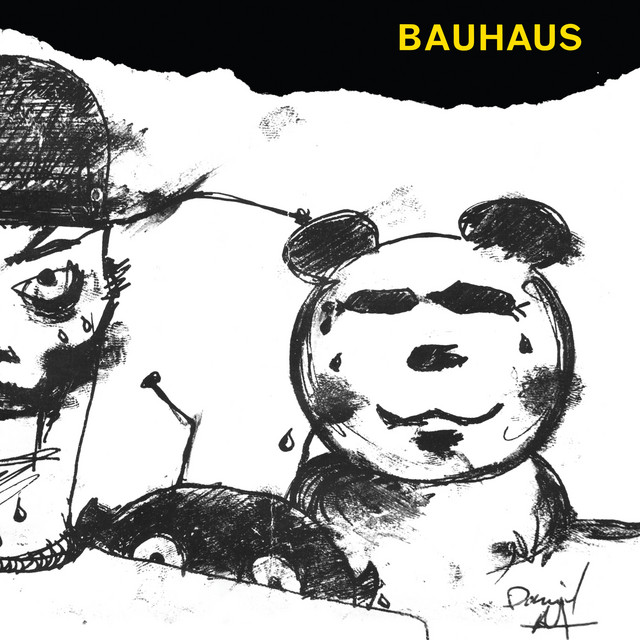
Kick in the Eye by Bauhaus
Why This Bauhaus Song Still Feels Unsettling
The meaning of Kick in the Eye Bauhaus is not simple, but that is part of the song’s power. On the surface, it sounds like a strange post-punk track full of fragmented images. Under that surface, it feels like a story about spiritual hunger, rejection, and a painful search for clarity.
"Kick in the Eye" - Bauhaus
i was never told why
each journey lasts an age
Loading lyrics...
Unable to load lyrics
We're unable to display the lyrics at this time. Please try again later.
Released in 1981 as a single from Bauhaus’s second album, Mask, the song later returned in the 1982 EP version subtitled “Searching for Satori.” That subtitle matters. It points listeners toward a search for enlightenment, but the song presents that search as bruising rather than peaceful.
Instead of offering comfort, Bauhaus turn inner growth into something harsh, bodily, and disorienting. The result is one of their most vivid songs: tense, cryptic, and deeply physical.

Watch the official Kick in the Eye
music video
The Core Meaning: A Search That Hurts
At its heart, the song seems to describe a person moving through a difficult inner journey. The opening image of pastures green
suggests promise, safety, or even paradise. But that promise is immediately undercut by confusion. They are not told why they are on this path, and each step feels exhausting.
That mismatch is the key to the song. It offers a vision of meaning, then shows how hard it is to reach. Even the body reacts: the repeated dry throat image makes the journey feel draining and real.
Interpretation: the song can be heard as a critique of spiritual longing itself. The speaker wants insight, but every attempt brings discomfort, not peace. When the lyric mentions searching for satori
, Bauhaus seem to frame enlightenment as something pursued in desperation, not calm wisdom.
A Narrator Trapped Between Calling and Refusal
The “crossing” as a threshold
The song’s story moves like a ritual. First comes the promise of a better place. Then comes the crossing, a threshold moment where the speaker commits to the search. That passage sounds chosen, but also forced.
The phrase began the crossing
suggests movement into unknown territory. This could be spiritual, emotional, or social. In all three readings, the speaker enters a zone where old rules no longer help.
Rejection and identity breakdown
The next major idea is rejection. The song repeats that every care is taken
with that rejection, which is a disturbing way to phrase pain. It sounds organized, clinical, even polite. That makes the song colder and more unsettling.
Interpretation: this may describe how institutions, relationships, or social systems can reject people while pretending to protect them. The language of care and protection sits beside abduction and addiction, creating a world where control is disguised as help.
What the Chorus Really Does
The title line, kick in the eye
, is one of Bauhaus’s strongest hooks because it works both physically and symbolically. Literally, it sounds violent and shocking. Emotionally, it suggests rude awakening, humiliation, or being forced to see something painful.
That makes the chorus more than a catchy phrase. It sums up the whole track’s worldview. Insight does not arrive gently. Knowledge feels like impact.
every care is taken
with my rejection
and my abduction
from my addiction
In that brief section, the song twists the language of healing into something coercive. The person may be rescued, but they do not sound free. Bauhaus make transformation feel invasive.
Symbols That Drive the Song’s Meaning
Several motifs shape the meaning of Kick in the Eye Bauhaus:
- Dryness: the burning throat suggests depletion, anxiety, and need.
- Travel: journeys and crossings imply transition, but also uncertainty.
- Vision: the “eye” points to perception, awakening, and injury.
- Control: rejection, protection, abduction, and addiction all imply power struggles.
One especially striking line is the claim end of reproduction
. Factually, it is just part of the lyric’s surreal language. Interpretation: it may suggest sterility, social dead ends, or a break in normal life patterns. In other words, the speaker feels cut off from continuity itself.
This is where Bauhaus excel. They do not explain the symbols. They arrange them so listeners feel a pattern of spiritual damage and forced change.
How the Sound Makes the Meaning Hit Harder
Bauhaus were central to early gothic rock, but they also came from post-punk’s love of angular rhythm and tension. On the single and EP history, “Kick in the Eye” stands out for its dry, nervous energy. The groove pushes forward, yet nothing in the performance feels relaxed.
The band produced the track themselves, and that matters. The bass line prowls rather than settles. The drums keep a clipped, almost ritual pulse. Daniel Ash’s guitar scratches and stabs instead of opening into warm chords, while Peter Murphy sings with a mix of command and strain.
The 1982 EP mix reportedly pushed the guitar louder, which fits the song’s meaning well. A more aggressive guitar sound makes the track feel more abrasive, like the awakening it describes. Even without reading the words closely, listeners can hear conflict between motion and discomfort.
Context: Bauhaus, Mask, and Reception
“Kick in the Eye” was released on 20 March 1981 through Beggars Banquet and reached No. 59 on the UK Singles Chart; the 1982 EP reached No. 45. Those chart facts matter because they show Bauhaus were not just cult outsiders. They were building a broader audience while still making challenging music.
Placed on Mask, the song fits an album interested in fractured identity, performance, and unstable reality. Bauhaus often used theatrical distance, but they also sounded intensely physical. This song captures both sides at once: abstract ideas delivered like a bodily crisis.
The Best Way to Read the Song
The strongest reading is that the song dramatizes a painful pursuit of awakening. It is about wanting transcendence and finding dislocation instead.
A second valid reading is social rather than spiritual. Interpretation: the lyrics can describe how a person is managed, categorized, and “protected” by forces that actually erase their freedom. In that reading, the song is about modern alienation as much as inner struggle.
Both readings work because Bauhaus leave the language open. They do not offer a tidy lesson. They create pressure, then let the listener sit inside it.
Final Take on the Meaning
The meaning of Kick in the Eye Bauhaus lies in its collision of mysticism and violence. It imagines enlightenment, identity, and escape not as clean victories, but as bruising encounters.
That is why the song lasts. It turns a spiritual search into a shock to the senses, and it turns alienation into sound. Disclaimer: this interpretation is based on the lyrics, recording context, and known release history, but song meaning always remains open to listener experience.








