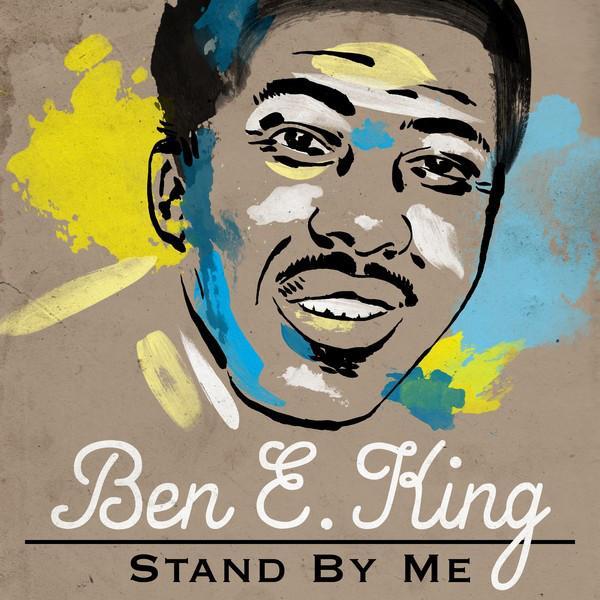
Why 'Spanish Harlem' Still Feels Like a Dream
The meaning of Spanish Harlem Ben E. King comes down to one striking idea: beauty can appear in a hard place and still stay tender. Ben E. King’s 1960 recording turns a simple love song into something more poetic, using one unforgettable image: a rose rising from the city.
"Spanish Harlem" - Ben E. King
A red rose up in Spanish Harlem
It is a special one, it's never seen the sun
Loading lyrics...
Unable to load lyrics
We're unable to display the lyrics at this time. Please try again later.
Factually, the song was recorded by Ben E. King and released in 1960, written by Jerry Leiber and Phil Spector, with production commonly credited to Jerry Leiber and Mike Stoller. It became King’s first major hit after leaving the Drifters, reaching No. 10 on the Billboard pop chart and No. 15 on the R&B chart.
A Rose at the Center of the Song
At the heart of the lyric is the repeated image of a rose in Spanish Harlem
. The song is not really about botany, of course. It uses the flower as a symbol for a woman who seems rare, graceful, and almost magical.
The lyric makes that image stronger by placing the rose in the street, where it grows through the concrete
. That detail matters. The song suggests that something soft can survive in a rough environment. It frames the woman not just as beautiful, but as resilient.
Interpretation: This is why the song still resonates. It is not only admiring beauty; it is admiring beauty that endures pressure, struggle, and city life.
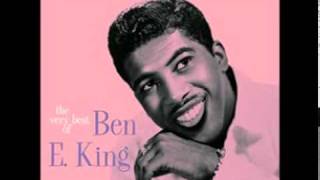
Watch the official Spanish Harlem
music video
Love as Wonder, Not Realism
The narrator does not describe a normal relationship. They speak with awe. The woman is seen at night, under moonlight and stars, which gives the song a dreamlike mood instead of a realistic one.
When the singer says her eyes look down in my soul
, the emotion becomes intense and immediate. This is not casual attraction. It is the feeling of being fully overwhelmed by someone’s presence.
That emotional pitch leads to the song’s most revealing turn:
I'm going to pick that rose
watch her as she grows
in my garden
Paraphrased, the narrator wants to bring this admired beauty close and make it part of their own life. That is romantic, but it also raises tension.
The Song’s Most Complicated Idea
The line about bringing the rose into my garden
can sound sweet on first listen. It suggests care, devotion, and the wish to protect something precious.
Interpretation: But it can also hint at possession. The narrator does not just want to admire the rose where it already lives. They want to move it, claim it, and keep it near. That gives the song a slightly old-fashioned romantic logic: love is described as both admiration and capture.
That tension is part of what makes the lyric interesting. The rose is special because it grows freely in its own setting. Wanting to transplant it may express love, but it also risks changing the very thing that made it beautiful.
Why Spanish Harlem Matters as a Setting
Spanish Harlem is a real New York neighborhood, often associated with strong Puerto Rican and Latino cultural life. In the song, though, it functions less as social realism and more as atmosphere.
Jerry Leiber later said the lyric idea existed before the full song was written, and accounts of the composition note that the writers were aiming for a Spanish-flavored sound influenced by works like Ravel’s Rapsodie espagnole and Debussy’s Ibéria. That helps explain why the neighborhood feels both real and stylized.
So the setting does two jobs:
- It grounds the song in an urban place.
- It adds mystery, romance, and cultural texture.
The result is a New York song that feels almost like a fable.
How the Arrangement Carries the Meaning
A big part of the meaning of Spanish Harlem Ben E. King comes from the production. The record does not rush. It drifts.
Reports on the arrangement credit Stan Applebaum with elements such as Spanish guitar, marimba, drum accents, soprano sax, strings, and male chorus, while Mike Stoller has been credited by Leiber and others with the key intro and the descending marimba figure that became central to the song. Those details matter because they create a soft, floating backdrop for King’s vocal.
The instrumentation makes the rose image believable. The marimba adds delicacy. The strings widen the emotional space. The light Latin touch gives the song its nighttime glow. King then sings with restraint, not force, which keeps the performance tender instead of dramatic.
A Major Moment in Ben E. King’s Career
This song also matters because of where it sits in King’s story. He recorded it in the same period as Stand by Me
, and it became his first hit as a solo artist after leaving the Drifters.
That context adds weight. “Spanish Harlem” showed that King could carry a record on mood, phrasing, and emotional elegance. It was not just a hit single; it helped establish his identity outside a famous group.
The song’s long life proves that point. Aretha Franklin’s 1971 version became an even bigger chart hit, and the song has remained one of the best-known standards in King’s orbit.
Final Take on Its Lasting Meaning
In the end, the meaning of Spanish Harlem Ben E. King is about seeing fragile beauty in a tough world and being changed by it. The rose stands for desire, admiration, and hope, while the city around it makes that beauty feel even more precious.
Interpretation: The song lasts because it holds two feelings at once: wonder and longing. It is enchanted by what it sees, yet unsure whether love means honoring beauty where it blooms or trying to bring it home.
Disclaimer: This interpretation separates documented facts from critical reading. As with many classic songs, some meanings remain open to the listener.







