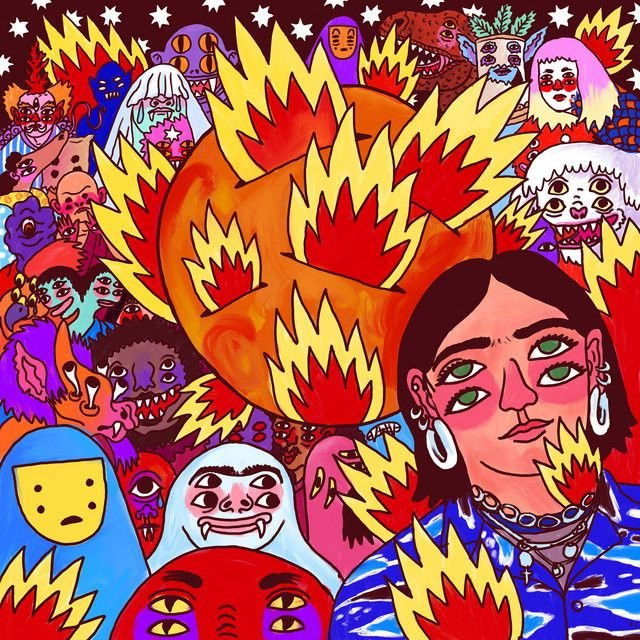
Afterlife by BENEE
A heartbreak song dressed like a horror scene
The meaning of Afterlife BENEE comes through in a bold mix of breakup pain, fantasy, and dark imagery. The song sounds like a revenge story from beyond the grave, but its real force is emotional. It captures the moment when heartbreak feels so overwhelming that it becomes surreal.
"Afterlife" - BENEE
You've got this wrong you are mistaken
Inject me with some kind of poison
Loading lyrics...
Unable to load lyrics
We're unable to display the lyrics at this time. Please try again later.
BENEE, the New Zealand singer-songwriter Stella Bennett, is known for pairing playful pop instincts with uneasy emotions, a contrast noted across coverage of their career and releases in sources such as Rolling Stone and NME. That style matters here. “Afterlife” takes jealousy, rejection, and humiliation, then blows them up into a dramatic inner movie.
Interpretation: This is less a literal song about death than a portrait of emotional collapse. The “afterlife” feels like the mental space after betrayal, where anger keeps replaying the damage.

Watch the official Afterlife
music video
What the narrator is really feeling
At the center of the song is a speaker who feels attacked, discarded, and confused. Early images suggest danger and helplessness, with phrases like some kind of poison
and left falling
. Those details make emotional injury feel physical.
The song then shifts into a more direct confession of disorientation. The narrator asks what they are supposed to do and admits they are in a state of confusion. That matters because it keeps the track from sounding purely cruel or triumphant. Under the revenge fantasy is somebody deeply hurt.
One of the clearest lines is lost lonely teen
. That phrase grounds the song. It suggests youth, insecurity, and a person who is still forming their identity while also dealing with rejection. Instead of a powerful villain speech, BENEE gives listeners a wounded point of view.
The story moves like a bad dream
Three emotional stages in the lyrics
The verses unfold almost like scenes in a nightmare:
- The narrator feels harmed and powerless.
- They become trapped in a strange in-between state.
- They turn pain into fantasies of revenge and control.
That middle stage is key. The line stuck in between two scenes
suggests suspension. They are not fully alive in the old relationship, but not healed enough to move on either. The “afterlife” becomes the name for that limbo.
Later, the song adds even stranger details, including repeated death and rising again. Interpretation: Those images suggest emotional resilience in a distorted form. The narrator keeps getting hurt, but they also keep coming back, still obsessed, still speaking.
Am I supposed to fightAnd leave my soul behind
This brief moment captures the song’s real conflict. It is not just about revenge. It is about whether survival requires losing part of the self.
Why the chorus feels so intense
The chorus is where the song turns heartbreak into accusation. The narrator says I see you as the killer
, blaming the other person for emotional destruction. That does not have to be read literally. It sounds more like the language of betrayal, where a breakup can feel like an attack on identity.
Then the chorus becomes petty on purpose. The speaker wants to expose the ex as ugly
and even imagines stealing attention from a new boyfriend
. That is not noble, and the song knows it. This ugliness is part of the point.
Interpretation: BENEE captures the immature, messy thoughts people often have after being hurt but rarely say out loud. The song is honest about how pain can turn into competition, vanity, and revenge fantasies.
Symbols that sharpen the meaning
Several recurring images help explain the meaning of “Afterlife.”
- Weapons and poison: These stand in for emotional betrayal and the shock of being hurt.
- Blank walls: They suggest isolation, numbness, or being trapped inside one’s own head.
- Purple and green: These colors evoke bruises, making heartbreak look visible on the body.
- Zombie-like return: This points to survival without peace. The narrator rises, but not restored.
Together, these symbols create a world where feelings become physical scenes. That is why the song lands so hard. It turns inner chaos into images listeners can picture.
How the sound likely carries the message
Even without relying on long lyric quotation, the structure tells a lot. BENEE often works in alt-pop spaces that blend catchy melodies with off-center production, and the writing credits here include Stella Bennett, Jason Lee P. Schoushkoff, and Joshua Marc Fountain. Fountain has been a key BENEE collaborator across multiple releases, according to credits databases such as TIDAL and Discogs.
That creative background helps explain why “Afterlife” feels both accessible and eerie. The repeated hook gives it a chant-like quality, almost obsessive, while the imagery suggests a darker sonic palette. Interpretation: If the production leans punchy and synthetic, that would fit the song’s theme perfectly, because polished pop surfaces make the ugly emotions feel even sharper.
The clearest reading of the song
For most listeners, the best way to hear “Afterlife” is as a song about heartbreak that feels bigger than reality. The narrator is not calmly reflecting. They are spiraling. They imagine blame, revenge, and rebirth because ordinary language is not enough for what they feel.
That is the core meaning of Afterlife BENEE: emotional betrayal can create a private afterlife, a haunted space where hurt keeps speaking long after the relationship is over.
Final takeaway
“Afterlife” stands out because it does not clean up jealousy or grief. It lets them sound theatrical, bitter, and wounded all at once. That mix is what makes the song memorable.
This article offers an interpretation based on the lyrics, credits, and BENEE’s broader artistic style. As with any song, listeners may connect with different meanings.









