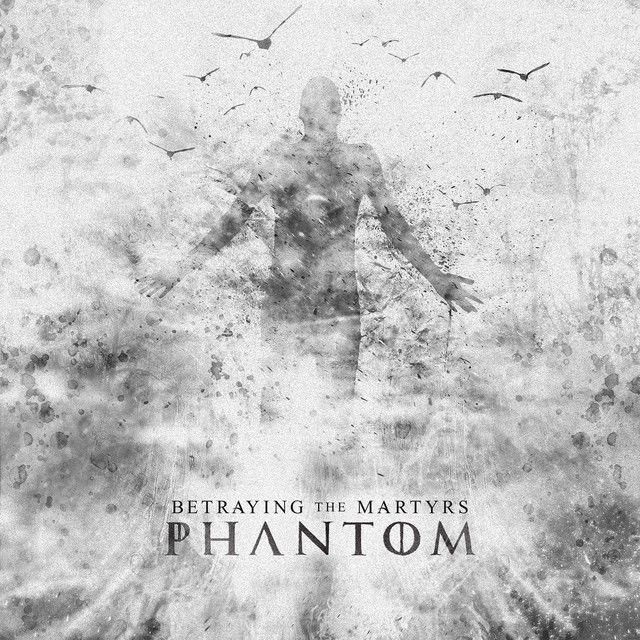
Why Betraying The Martyrs Made 'Let It Go' Heavier
The meaning of Let It Go Betraying The Martyrs starts with a simple truth: the song is still about release. But in this version, release does not sound graceful or soft. It sounds violent, huge, and earned.
"Let It Go" - Betraying The Martyrs
Not a footprint to be seen
A kingdom of isolation and it looks like I'm the king
Loading lyrics...
Unable to load lyrics
We're unable to display the lyrics at this time. Please try again later.
Betraying the Martyrs did not change the lyrics’ basic story when they released their 2014 cover. Instead, they changed the emotional frame. What began in Frozen as Elsa’s lonely breakthrough becomes, in their hands, a metalcore purge of pressure, shame, and control. That shift is why the cover still lands with listeners years later.
The Core Message Beneath the Snow
Factually, Let It Go
was written by Kristen Anderson-Lopez and Robert Lopez for Disney’s Frozen, where it marks Elsa’s decision to stop hiding her powers and the cost of that freedom. The song became a massive hit, reaching No. 5 on the Billboard Hot 100 and later winning the Academy Award for Best Original Song and a Grammy for Best Song Written for Visual Media. Betraying the Martyrs released their cover on July 14, 2014, right around their album Phantom era.
Interpretation: In the cover, the central meaning feels sharper: they present freedom not as neat self-acceptance, but as emotional detonation. The narrator has spent too long containing something powerful, and the song captures the instant that restraint finally fails.
That is why lines about isolation, secrecy, and refusal still work so well in a heavy setting. The emotional engine is not fantasy. It is suppression turning into action.

Watch the official Let It Go
music video
From Disney Anthem to Metalcore Catharsis
In the original film context, Elsa sings from isolation after fear and social expectation have boxed her in. Phrases like kingdom of isolation
and conceal, don't feel
show a person trained to hide what makes them different.
Betraying the Martyrs lean into that repression. Their style has long mixed metalcore and deathcore force with symphonic textures, so they naturally emphasize conflict. Instead of sounding like a breakthrough that floats upward, this version sounds like one that tears through walls.
That matters for the meaning of Let It Go Betraying The Martyrs. The cover suggests that letting go is not always elegant. Sometimes it is ugly, loud, and necessary.
How the Lyrics Build a Breakout Story
The song follows a clear emotional arc:
- Isolation: The opening images place the speaker alone, emotionally and physically.
- Pressure: They remember the rules that shaped them into the
good boy
others expected. - Release: The hook,
let it go
, becomes a refusal to keep performing obedience. - Experiment: The middle section tests freedom and pushes past limits.
- Final break: By the end, the old version of the self is gone.
A key detail in this cover is how the repeated chorus stops sounding like encouragement and starts sounding like command. They do not merely accept themselves. They force the mask off.
I'm never going back
The past is in the past
Those lines summarize the song’s turning point. The narrator stops negotiating with fear and chooses irreversible change.
The Symbols Still Matter in a Heavy Version
Even without changing the words, the cover preserves the song’s strongest symbols.
Ice, distance, and control
Cold imagery often suggests numbness, self-protection, and emotional shutdown. The snow, mountain, and storm create a world where distance feels safer than intimacy. In the original, that distance is liberating but sad.
Interpretation: Betraying the Martyrs make the storm feel less like weather and more like inner violence. Their arrangement turns frost into pressure, almost like the sound of a breakdown waiting to happen.
Power and transformation
When the lyrics move toward self-definition, the song becomes about identity rather than escape. The speaker no longer asks for permission. They decide what they are.
The phrase perfect boy is gone
is especially important here. It points to the death of a performed identity. Whether listeners connect that to gender roles, family pressure, mental health, or general self-denial, the emotional point is the same: the socially approved self cannot survive the truth.
Why the Instrumentation Changes the Meaning
This is where the cover earns its reputation. Betraying the Martyrs were known for combining crushing riffs, harsh screams, clean passages, and symphonic elements. That blend makes them a smart fit for a song already built on drama and scale.
The original version is a Broadway-style power ballad with orchestral lift. The cover keeps the grandeur, but replaces polish with impact. Distorted guitars add threat. Double-kick drums add urgency. Harsh vocals turn buried pain into confrontation, while cleaner melodic moments preserve the song’s emotional core.
Interpretation: Because of that production shift, the song’s freedom feels less solitary and more defiant. In this reading, they are not simply leaving judgment behind. They are pushing back against it.
Why So Many Listeners Connect With It
Part of the song’s long life comes from its openness. Critics and fans have called the original an anthem of liberation, and many have linked it to queer identity, disability, or any experience of being told to hide. Director Jennifer Lee has also said she prefers not to lock the song into one fixed meaning.
That openness helps the cover too. Betraying the Martyrs did not publish a new lyrical thesis. But by making the song heavier, they gave those themes a different emotional body. Listeners who hear anger, alienation, or survival in metalcore can find themselves in it.
The Last Word on This Cover
So, what is the meaning of Let It Go Betraying The Martyrs? At its heart, it is about a hidden self breaking free from fear and expectation. The band’s version keeps that idea, but turns the release into catharsis, resistance, and emotional force.
That is why the cover works as more than a novelty. It reveals that beneath the famous melody is a song about repression, identity, and the painful thrill of no longer pretending.
Disclaimer: This article mixes verified background facts with clearly labeled interpretation. Because songs invite personal readings, different listeners may hear the meaning differently.








