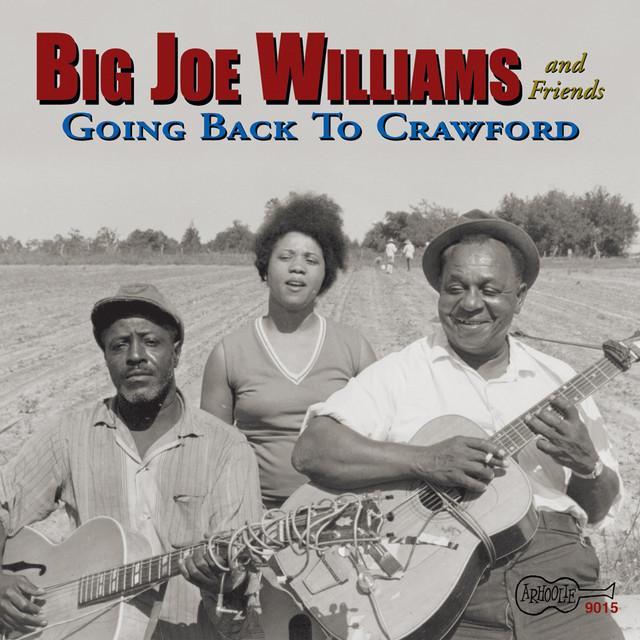
Why ‘Baby Please Don’t Go’ Still Hurts
The meaning of Baby Please Don't Go Big Joe Williams starts with a simple plea, but the song is heavier than a standard breakup blues. Big Joe Williams’ 1935 recording turns that repeated request into a cry of fear, loneliness, and lost control. The singer is not just asking a lover to stay. They seem trapped in a world where love, work, punishment, and separation all blur together.
"Baby Please Don't Go" - Big Joe Williams
Baby, please don't go
Baby, please don't go
Loading lyrics...
Unable to load lyrics
We're unable to display the lyrics at this time. Please try again later.
That mix is one reason the song became such a cornerstone of American blues. According to the Blues Foundation, Williams’ version was inducted into the Blues Hall of Fame, and the song later became one of the best-known standards in the tradition.
A Love Plea With Prison Bars Behind It
On the surface, the story is clear. The singer begs their lover not to leave, especially not for New Orleans. The hook, Baby, please don't go
, sounds direct and plain, but its repetition makes it feel desperate rather than calm.
What gives the song extra weight is the prison imagery around that plea. References to the county farm
and to having the shackles on
suggest confinement, forced labor, or punishment. In blues history, that kind of language often points toward Southern prison farms and chain gangs.
Interpretation: the song can be heard as the voice of someone who fears that while they are trapped by the system, the person they love will move on. So the heartbreak is not only romantic. It is also social and physical.
Watch the official Baby Please Don't Go
music video
The Singer’s Voice and Emotional Stakes
Williams frames the song in first person, but the feeling reaches beyond one private argument. The narrator sounds powerless. They cannot stop the train, cannot erase distance, and may not even be free to follow.
One of the most revealing moments is the image of a lover leaving on a midnight train. That idea turns departure into something final and cold. When the singer says they are crying, the song drops any mask of toughness.
My baby leavin'
On that midnight train
Those short lines matter because they move the song from warning to loss. Earlier verses still sound like bargaining. Here, the leaving seems to be happening in real time.
Why New Orleans Matters So Much
The line about going down to New Orleans
does more than name a city. In blues songs, places often carry emotional meaning. New Orleans can suggest temptation, nightlife, distance, or a whole other life waiting somewhere else.
Interpretation: in this song, New Orleans may represent escape from the singer, but it may also represent escape from hardship itself. If so, the plea becomes even sadder. The lover is not just leaving a person. They may be leaving a painful world behind.
That helps explain why the chorus never grows calmer. It circles the same fear again and again, as if repetition itself could hold the relationship together.
Rough Language, Rougher Reality
Some lines in the song are harder to pin down because early blues often carried floating verses and regional speech. The phrase walk the log
, for example, has been read in different ways by listeners and historians.
Rather than taking it too literally, it makes more sense to hear it as part of the song’s threatening, unstable mood. The singer swings between pleading and anger. That emotional shift is important. They love this person, but they also feel humiliated and abandoned.
This is one of the song’s most human traits. Real grief is rarely neat. People beg, accuse, remember, and panic all within minutes. Williams captures that without polishing it into something tidy.
How the Sound Carries the Meaning
The performance is a huge part of the message. Williams recorded the song in Chicago in 1935 with Dad Tracy on one-string fiddle and Chasey “Kokomo” Collins on washboard, issued as Joe Williams’ Washboard Blues Singers, as noted in the Wikipedia entry. That lean setup gives the track a raw, unsettled pulse.
Instead of sounding smooth, the recording sounds wiry and exposed. The guitar pattern keeps pushing the song forward, while the washboard adds scrape and friction. The result feels less like a polished studio performance and more like a man trying to hold himself together.
That matters for the meaning of Baby Please Don't Go Big Joe Williams because the arrangement mirrors the lyric. Nothing resolves cleanly. The groove keeps turning while the singer stays stuck in the same emotional place.
Why This Song Became a Standard
The song lasted because it carries several blues themes at once:
- fear of abandonment
- imprisonment and restricted freedom
- travel as both promise and threat
- love mixed with anger
- repetition as emotional pressure
It also came from deep roots. Researchers have linked it to older folk and prison-song material, which helps explain why it feels older than any one recording. Williams popularized it in 1935, but the emotions inside it already sounded lived-in.
Later versions by Muddy Waters, Them, AC/DC, and many others changed the tempo or style, yet the core drama stayed the same: someone is leaving, and the person left behind has no good answer except to beg louder.
The Lasting Meaning of the Song
In the end, “Baby Please Don’t Go” is about more than a lover walking away. It is about what separation feels like when the singer already has little power over life. The romance hurts, but the deeper wound is helplessness.
That is why the song still lands. Williams turns a familiar blues setup into something raw and haunted. They make the plea sound personal, but also historical, tied to labor, movement, and loss in the American South.
Final takeaway
The meaning of Baby Please Don't Go Big Joe Williams is a desperate request shaped by prison imagery, fear of abandonment, and a harsh blues setting. It lasts because the song does not just describe heartbreak. It makes listeners feel what it is like to beg for someone while knowing they may already be gone.
Disclaimer: This interpretation is based on the recorded lyrics, performance style, and documented historical context. As with many traditional blues songs, some lines remain open to more than one reading.








