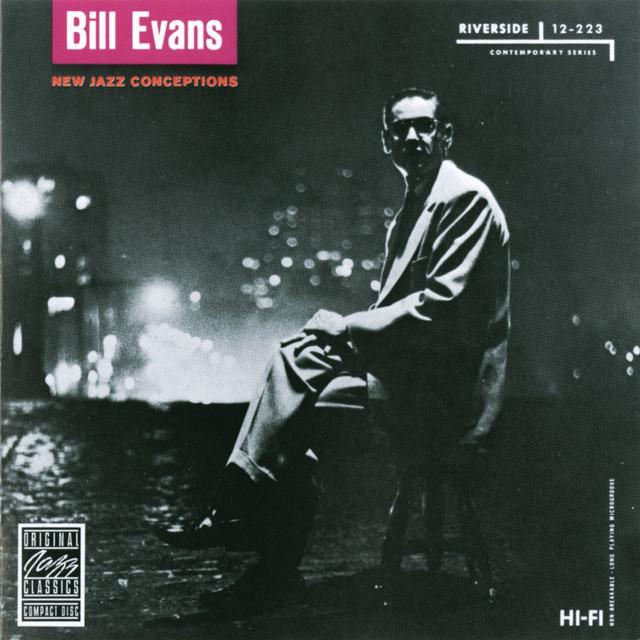
Waltz For Debby by Bill Evans
A small song with a big ache
The meaning of Waltz For Debby Bill Evans starts with a simple idea: adults are watching a child’s magical world and realizing it cannot last forever. The song is warm, playful, and deeply sad at the same time. It sees childhood as a place of wonder, but it also knows that growing up will bring separation.
"Waltz For Debby" - Bill Evans
Populated by dolls and clowns
And a prince and a big purple bear
Loading lyrics...
Unable to load lyrics
We're unable to display the lyrics at this time. Please try again later.
Bill Evans wrote the music, and Gene Lees later wrote the lyric. The tune is closely tied to Evans’s young niece Debby, a detail often noted in accounts of the piece, including the notes around the classic Village Vanguard recordings. That personal link matters. This is not a broad statement about children in general. It feels intimate, like a private observation turned into art.
Watch the official Waltz For Debby
music video
The song’s core message
At heart, the lyric contrasts two worlds. In one world, a child lives among dolls, clowns, princes, and toys. In the other, adults carry stress, worry, and the tired faces of experience. The child is described as living in her own sweet world
, which suggests not selfishness, but innocence and imagination.
The adults, by contrast, wear worried frowns
. That phrase does a lot of work in very few words. It sets up the main emotional tension: children can still believe in joy without knowing how heavy adult life can feel.
Interpretation: The song is not mocking adulthood. Instead, it quietly grieves the loss of freedom that often comes with maturity. The adults are not villains; they are simply worn down by time.
Watching childhood before it disappears
One reason the song hits so hard is its sense of time. It does not stay in the present. Very quickly, it looks ahead to the day when the child will leave her toys behind. That future loss is the emotional center of the lyric.
The child dances, dreams, and hears beauty where adults hear nothing. The image of dancing to silent music
suggests a private inner life so rich that it does not need the outside world to confirm it. She lives by imagination alone.
Then the lyric turns. It says that one day all too soon
, she will grow up. That phrase is gentle, but devastating. The sadness comes not from any dramatic event, but from a natural one: childhood ending exactly as it must.
Why the goodbye feels so powerful
The most moving lines imagine the toys themselves reacting to her departure. That is a child’s way of seeing the world, where stuffed animals and dolls are not objects but companions. By using that perspective, the song honors the emotional truth of childhood instead of talking down to it.
When she goes they will cry
As they whisper good-bye
These lines are not meant as literal fact. They show how deep the bond is between the child and her imagined world. If she leaves it, everything in that world seems to feel the loss.
Then comes the quiet emotional reveal: so will I
. That ending matters because it shows the adult speaker is not only observing change. They are personally wounded by it. The child will outgrow toys, but the adult will miss the child she used to be.
A lyric built from tenderness, not drama
Gene Lees’s words are plain, but that simplicity is part of their power. There are no twists, no irony, and no sharp conflict. The lyric moves like a memory. It notices small details and lets feeling rise slowly.
That style fits Bill Evans perfectly. Evans was known for subtlety, inwardness, and emotional precision. In his biography at Britannica, critics and historians often describe his playing as harmonically rich and reflective. Those traits help explain why this song feels so delicate. Even with lyrics, it keeps the private, floating quality of his piano writing.
How the music carries the meaning
The tune is a waltz, so it moves in three beats. That lilting rhythm gives it a rocking, storybook feel, almost like a child turning in circles or drifting into sleep. The motion is graceful, not grand.
Evans’s harmony adds another layer. The chords do not sit still in a simple happy place. They shift with soft complexity, which creates mixed feeling: comfort touched by sadness. That is exactly what the lyric needs. A plain melody might have made the song sound merely cute. Evans makes it bittersweet.
The jazz setting matters
In instrumental performances, especially the famous live trio versions with Scott LaFaro and Paul Motian, the song becomes even more fragile and searching. The trio does not pound the theme. They breathe through it. That light touch mirrors the lyric’s emotional world: love, wonder, and loss held very carefully.
Interpretation: Even without words, the music suggests memory in motion. With words, it becomes a portrait of innocence already slipping away.
A few ways to read it
There is one clear reading and one deeper one.
- Most direct reading: it is a loving song about a little girl, likely Debby, and the sadness of watching her grow up.
- Broader reading: it is about the human loss of imagination. Adults do not only lose toys; they lose the ability to live fully inside fantasy and joy.
- Emotional reading: the speaker may also be mourning their own past. In watching the child, they are reminded of what they can never return to.
All three readings fit the lyric, and they can exist together.
Why it still lasts
The meaning of Waltz For Debby Bill Evans still connects because nearly everyone knows this feeling. They may not remember specific dolls or bears, but they know what it means to see innocence, love it, and know it cannot stay.
That is why the song remains so affecting. It treats childhood with respect, adulthood with sympathy, and change with sorrow. It never pushes too hard, which is exactly why it lingers.
In the end, this is a song about love facing time. Interpretation: its deepest message is that growing up is both beautiful and heartbreaking. That mix is what gives the song its quiet power.
Disclaimer: This interpretation combines documented context with close reading of the lyric and music. As with all art, listeners may hear different meanings in the song.







