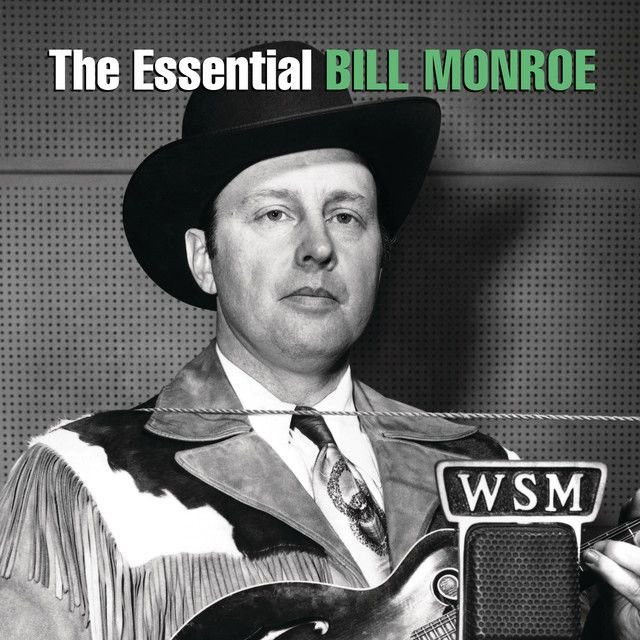
Why Bill Monroe’s ‘Shine’ Still Lifts Hearts
Bill Monroe’s “Shine, Hallelujah, Shine” is a gospel song about rescue, assurance, and the hope of heaven. At its core, the meaning of Shine, Hallelujah, Shine Bill Monroe is simple: a person moves from spiritual darkness into faith, then looks ahead to a future where suffering ends and joy lasts.
"Shine, Hallelujah, Shine" - Bill Monroe
There was no one to guide my way
All my life I was in the shadow till I heard the Savior say
Loading lyrics...
Unable to load lyrics
We're unable to display the lyrics at this time. Please try again later.
That direct message matters because Monroe was not only the “Father of Bluegrass,” but also an artist who often tied mountain music to sacred themes through the Blue Grass Boys and a long career documented by the Country Music Hall of Fame. In this song, they use plain language and bright repetition to make salvation sound immediate, personal, and celebratory.
From Darkness to Deliverance
The opening verse starts in trouble. The singer says they were lost in sin and had no guide. That setup gives the song a clear testimony shape: first there is confusion, then a call from Christ, and finally a promise of change.
A short phrase like shadow
captures the emotional world of the first verse. The person is not just sad; they are spiritually cut off, unable to find the way alone. When the lyric turns toward the Savior’s promise, the whole song shifts from fear to confidence.
Interpretation: This is less about guilt for its own sake and more about transformation. Monroe frames faith as movement out of isolation and into belonging, especially when the singer imagines becoming a child of God.
Watch the official Shine, Hallelujah, Shine
music video
Why “Shine” Is the Key Image
The chorus explains the song’s whole message in one image: radiance. When the singer says I’m gonna shine
, they are not bragging about earthly success. They are describing a heavenly future, where the faithful are renewed and made glorious in God’s presence.
That is why the comparison like the stars
is so important. Stars suggest brightness, order, and permanence. In gospel writing, they often point to a beauty that outlasts human pain.
When I enter
the gates of heaven
I’m gonna shine
This brief refrain turns heaven into the song’s horizon line. Everything in the verses points forward to that moment. The repeated promise does emotional work too: each return of the chorus sounds less like a wish and more like certainty.
A Testimony Told in Stages
One useful way to understand the meaning of Shine, Hallelujah, Shine Bill Monroe is to see the lyric as a three-part spiritual journey:
- Life before grace: the singer is trapped, unsure, and morally burdened.
- Life after conversion: Jesus becomes refuge, guide, and comfort.
- Life still ahead: heaven is the final destination, where the faithful will shine.
The middle step is crucial. The song is not only about the afterlife. It also says faith changes the present. When Jesus is called a refuge and a steady comfort, Monroe gives the listener something practical, not only future reward.
That balance keeps the lyric grounded. The promise of heaven matters, but so does daily endurance.
The Sound Makes the Promise Feel Real
Monroe’s gospel songs often gain power from the bluegrass setting itself. Even without a complicated arrangement, listeners can hear how the style helps the message. Fast, clean string playing, a steady pulse, and high vocal intensity create uplift. In bluegrass gospel, brightness is not just a topic; it becomes a sound.
Monroe’s mandolin style is especially important in his catalog. Its sharp attack and ringing tone can make a spiritual chorus feel urgent instead of sleepy. That matters here because the lyric is not mourning heaven from afar. It is reaching toward it with energy.
Interpretation: The music suggests confidence before the words fully explain it. The repeated hook feels communal, as if meant for a church audience or a live crowd to answer back. That call-and-response spirit fits a song built on conviction.
Earthly Trouble, Heavenly Direction
Later verses widen the message. The singer admits that life includes burdens, distractions, and hard things heard and seen. Yet the answer is not denial. The answer is to keep walking faithfully, becoming more like Christ over time.
A phrase such as dear footsteps
helps show this part of the song. The image is humble and practical. Instead of dramatic visions alone, Monroe includes daily imitation, step by step.
This gives the lyric moral shape. Heaven is the goal, but growth is the path. The song asks believers not just to wait for glory, but to live in a way that reflects it now.
Why the Song Endures
Part of the song’s staying power is its clarity. Monroe does not hide the message behind mystery. They present sin, salvation, and heaven in language that almost anyone can follow.
Another reason is emotional design. The verses begin low and rise. The chorus repeats until hope feels settled in the body. By the end, the listener is left not with debate, but with uplift.
For many fans, that is the lasting meaning of Shine, Hallelujah, Shine Bill Monroe: it turns Christian assurance into something audible. The singer is no longer wandering. They know who leads them, where they are going, and what waits at the end.
The Last Light in the Song
In the end, “Shine, Hallelujah, Shine” is about more than heaven as a distant reward. It is about present confidence born from belief. The person in the song begins in darkness, but they do not stay there.
Interpretation: Monroe’s deeper point may be that faith changes both identity and direction. The believer is not simply rescued from something; they are being led toward brightness, comfort, and likeness to Christ.
That is why the chorus still lands so strongly. It makes hope sound public, joyful, and sure.
Disclaimer: This interpretation is based on the lyrics, Bill Monroe’s gospel context, and the song’s bluegrass style. As with any song, listeners may hear meanings that differ from this reading.








