Why Billy Joel's Boldest Flirt Still Lands
The meaning of Only the Good Die Young Billy Joel often gets reduced to one thing: a naughty song about a Catholic girl. That is part of it, but not all of it. Beneath the hook and the grin, the song is really about youthful desire pushing against religious rules, social pressure, and the idea of "goodness" itself.
"Only the Good Die Young" - Billy Joel
You Catholic girls start much too late
Aw, but sooner or later it comes down to fate
Loading lyrics...
Unable to load lyrics
We're unable to display the lyrics at this time. Please try again later.
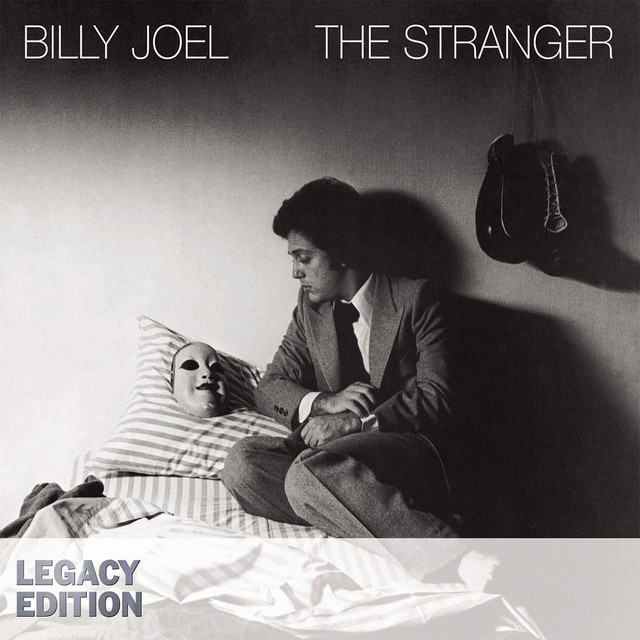
Released on The Stranger in 1977 and issued as a single in 1978, the track was written by Billy Joel and produced by Phil Ramone. It became one of Joel's best-known early songs and also one of his most controversial, especially after some religious groups objected to it and radio stations pulled it, a backlash that helped its profile grow.
A Fast Summary of the Song's Core Idea
At the story level, the narrator is trying to convince Virginia, a Catholic girl, to stop waiting and come with him. He frames her religious upbringing as a kind of barrier, then pitches pleasure and freedom as more honest than restraint.
Interpretation: The song is not praising rebellion in a deep, political sense. It sounds more like a clever, selfish argument from a young man who wants what he wants. That matters because it keeps the song from sounding like a moral lecture. Instead, it feels like a live-wire character sketch.
Joel later said the song was less anti-Catholic than pro-lust
. He also noted that many listeners missed an important point: the boy does not really succeed, and Virginia keeps her innocence. That context makes the narrator seem more exposed, and maybe a little ridiculous, rather than triumphant.
Watch the official Only the Good Die Young
music video
Who Virginia Is and Why She Matters
Research around the song points to a real inspiration: a high-school crush named Virginia Callahan or Callaghan. But inside the song, Virginia becomes more than one person. She stands for innocence, caution, and the kind of identity built by family and church.
When the narrator says Come out, Virginia
, he is not just asking for a date. He is asking her to step outside a whole belief system. That is why the song keeps returning to images of prayer, saints, heaven, and church ritual.
Religion as Wall, Not Comfort
The lyrics describe religious instruction as something that has boxed Virginia in. The song mentions things like a temple, prayer, a rosary, and a stained-glass curtain
. In plain terms, the narrator thinks these symbols have trained her to fear desire instead of understanding it.
Interpretation: That does not mean the song proves religion is false. It shows how the narrator sees religion: as an obstacle between himself and the girl he wants.
Why the Chorus Is So Sharp
The line Only the good die young
is the song's great trick. It sounds wise, almost like an old saying, but in context it works as flirtation and pressure. The narrator twists the idea of goodness into a reason not to be too good.
That is why the chorus feels both catchy and unsettling. He is not making a serious theology argument. He is using a slogan to sell risk, pleasure, and immediacy.
I'd rather laugh with the sinners
than cry with the saints
Those lines sum up his attitude. He frames "sinners" as alive, warm, and human, while "saints" seem cold and joyless. It is a memorable contrast, but it also reveals his bias: he reduces Virginia's faith to sadness so his own invitation looks brighter.
The Sound Makes the Seduction Work
A big reason the song still works is musical. It does not sound heavy or angry. It moves with a bright shuffle rhythm, punchy piano, handclaps, and a lively sax presence. Critics at the time praised that energy, with Cash Box noting its beat, sax solo, and piano drive.
That upbeat arrangement matters to the meaning. If these lyrics sat inside a dark ballad, the narrator might sound predatory or bitter. In this setting, he sounds cocky, impulsive, and young. The music gives the words a teasing bounce, which helps explain why listeners often remember the fun before the tension.
There is also useful background here: Joel originally had the song in a reggae style, but drummer Liberty DeVitto pushed it toward the shuffle feel that made the final version snap. That change gave the song more momentum and made the chase in the lyric feel immediate.
Controversy, Misreading, and Lasting Appeal
The song drew criticism for its use of Catholic imagery, and some stations reportedly banned it. Ironically, that helped it become more visible. It eventually reached No. 24 on the Billboard Hot 100 and has since earned major U.S. certification.
The controversy also shaped how people heard it. Some treated it like an attack on Catholic girls. But Joel's own comments suggest a narrower and more human reading: this is a song about lust, persuasion, and youthful nerve. In later years, he even described it as a selfish song, which fits the lyric well.
The Best Way to Read It Now
So what is the meaning of Only the Good Die Young Billy Joel? Most clearly, it is about a young man trying to talk a guarded girl into taking a chance, while mocking the rules that hold her back. On a deeper level, it captures a classic tension: discipline versus desire, purity versus experience, heaven later versus life now.
Interpretation: The smartest reading may be that the song exposes the narrator as much as it celebrates him. His lines are catchy because they are clever, but their cleverness also shows how badly he wants to win.
That double edge is why the song lasts. It is fun, but not empty. Bold, but not simple.
Disclaimer: Song meanings are interpretive. While this article uses documented release history and artist comments, any deeper reading of themes or symbols remains an informed interpretation rather than a fixed fact.









