Why Billy Joel's 'This Is the Time' Still Lands
The meaning of This Is the Time Billy Joel comes down to one clear idea: love matters most when people realize it cannot stay frozen. The song is tender, but it is not naive. It tells two people to notice their life together now, because even the best season will change.
"This Is the Time" - Billy Joel
They're tearing it down now
But it's just as well
Loading lyrics...
Unable to load lyrics
We're unable to display the lyrics at this time. Please try again later.
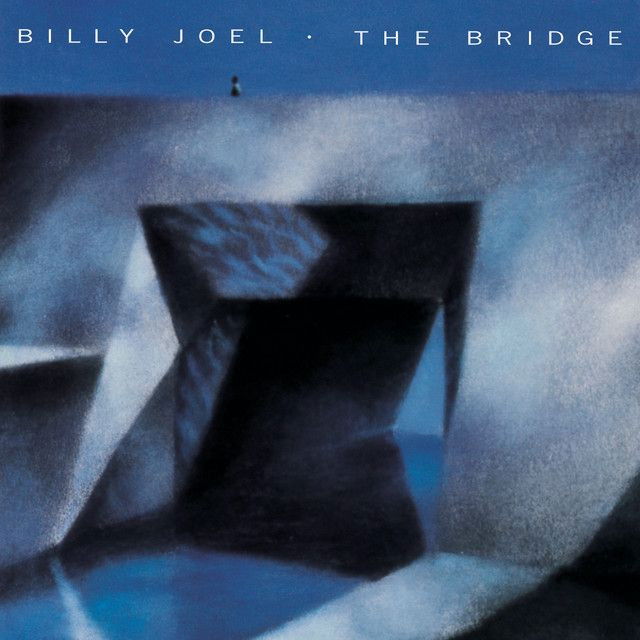
Released on The Bridge in 1986, the track became a strong adult contemporary hit. According to Songfacts, it reached No. 18 on the Billboard Hot 100 and No. 1 on the Adult Contemporary chart. That broad appeal makes sense. Its message fits romance, graduation, friendship, and any moment people know they will miss later.
A Love Song That Knows Time Wins
At its core, the song is about a couple standing inside a good moment and trying to honor it before it slips away. The chorus frames that idea with the phrase this is the time
. Joel is not saying the moment will last. He is saying that because it will end, it deserves attention now.
That is what gives the song its emotional pull. It is romantic, but it is also realistic. The line time is gonna change
admits that love must move through pressure, distance, aging, and routine.
According to Songfacts, Joel said in a 1997 Billboard interview that relationships are hard to maintain and that the song is about remembering the good time because people may need that memory when things get tough. That quote is useful because it confirms the song is not just nostalgic. It is also practical.

Watch the official This Is the Time
music video
The Story Hidden Inside the Verses
The verses tell a small, vivid story. Two people walk by an old hotel on the beach. That building is being torn down, which quietly introduces the song's main truth: even familiar places disappear. The setting is not there just for scenery. It shows that memory begins at the exact moment change starts.
Later, the singer looks back on life before this relationship and suggests survival itself felt unlikely. That confession makes the love story feel less casual and more lifesaving. When the song says best of you
, it suggests that love has already given comfort, stability, and renewal.
There is also a middle section about how easy it is to let days pass without really seeing each other. That part matters because it shifts the song away from dreamy memory and toward ordinary adult life. The real threat is not only breakup. It is neglect.
Why the Chorus Feels Bigger Than Romance
The chorus works because it speaks to a couple while also sounding universal. A listener does not need to be standing on a beach to understand days to hold on to
. The song turns one relationship into a lesson about time itself.
This is the time to remember
These are the days to hold on to
Those lines are simple, but they carry the entire theme. Interpretation: the song argues that memory is not an escape from life. It is part of how people survive change. By naming the present as important, the couple gives it a better chance of lasting in spirit, even if not in form.
The Beach, Winter, and the Old Hotel
The imagery is one reason the song stays with listeners. The beach suggests openness and intimacy, but it is not summer postcard beauty all the way through. The old hotel is being demolished. The beach turns cold in winter. The lovers meet behind dunes, a place that feels private but temporary.
These details create a pattern:
- The hotel represents the passing world.
- The beach represents memory in motion.
- Winter shows that warmth is fragile.
- The embrace becomes a way to resist loss for a moment.
When the singer compares holding someone close to warmth in the cold, the image says love does not stop time. It simply makes time bearable.
How the Sound Supports the Meaning
Musically, the song fits Billy Joel's polished 1980s pop style. Songfacts identifies it as a track from The Bridge, an album released in 1986. The production is smooth and spacious, which helps the reflective message land without turning overly sad.
The tempo is moderate, and the arrangement builds gently rather than exploding. That matters. A huge, aggressive production would fight the lyric's message. Instead, the song sounds measured, adult, and emotionally steady.
Interpretation: that calm sound mirrors the song's emotional goal. The couple is not panicking about change. They are trying to face it with open eyes. Joel's vocal delivery also helps; he sounds earnest, not theatrical, which keeps the sentiment believable.
Artist Context Adds Another Layer
Songfacts notes that Joel wrote the song during a period when he was married to Christie Brinkley and settling into domestic life after earlier turmoil. That context does not limit the meaning, but it does sharpen it. The song sounds like it comes from someone who has known instability and now wants to protect peace.
That context also explains why the track became popular at proms and graduations, as Songfacts observes. Even outside romance, people hear the same message: value the season you are in before it becomes a story you tell later.
The Lasting Meaning
So, the meaning of This Is the Time Billy Joel is not just "remember the good old days." It is more urgent than that. The song says the good days are happening right now, and people usually recognize them too late.
That is why it still lands. It gives listeners a love song, a warning, and a memory at once.
Disclaimer: This interpretation is based on the lyrics, documented artist comments, and song history. Like any song, it may hold different meanings for different listeners.







