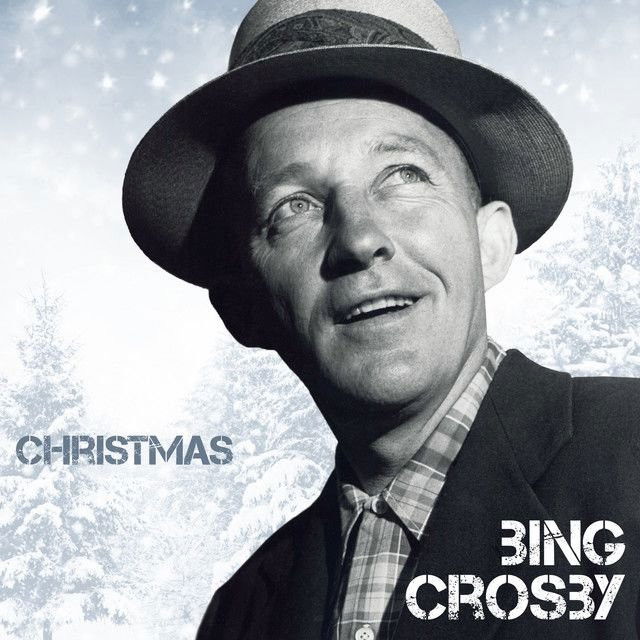
It's Beginning To Look A Lot Like Christmas by Bing Crosby
They know the season has arrived when a simple observation—It's beginning to look a lot like Christmas
—suddenly feels true. Bing Crosby’s version turns that moment into a gentle walk through town and back home again, using familiar images to spark memory.
"It's Beginning To Look A Lot Like Christmas" - Bing Crosby
Take a look in the five and ten glistening once again
With candy canes and silver lanes aglow
Loading lyrics...
Unable to load lyrics
We're unable to display the lyrics at this time. Please try again later.
If you’re searching for the meaning of It's Beginning To Look A Lot Like Christmas Bing Crosby fans often celebrate, the core idea is this: public signs of the holiday are lovely, but the spirit becomes real inside the home and the heart.
A Season Arrives in Small Signs
The lyric’s first move is to notice the world changing everywhere you go
. Decorations appear, storefronts glow, and even a modest variety shop—the old five and ten
—shines again. The song builds a mood where ordinary streets feel festive, as if the town itself is quietly exhaling into winter.
Crosby’s relaxed delivery matches this calm rollout. He doesn’t push; he observes. That restraint turns a list of scenes into a shared feeling: listeners picture their own streets and stores, past and present.
Watch the official It's Beginning To Look A Lot Like Christmas
music video
What the Words Are Really Saying
While the verses scan toy displays and grand trees, the emotional center points homeward. The line about the prettiest sight to see
being the holly on your own door reframes the window-shopping. It’s not the spectacle that matters most; it’s the personal ritual—wreaths, thresholds, family.
Interpretation: The song balances public celebration with private meaning. It praises community sparkle but suggests the deepest warmth is domestic. Christmas is less about consuming and more about arriving—physically at the front door, and emotionally at a place of belonging.
A Walk Through the Lyrics
Here’s the narrative arc, beat by beat:
- They notice decorations spreading through town, from shops to hotels and parks.
- Children’s wish lists pop up, anchored in mid-century toys; the parents’ aside about school hints at holiday fatigue and humor.
- Larger civic displays emerge—grand lobbies, sturdy outdoor trees—meant to endure the snow.
- The mood shifts inward:
Soon the bells will start
, and the real signal is the song you singright within your heart
. Outer cues lead to inner conviction.
Symbols That Spark Memory
- Five-and-ten stores: The
five and ten
evokes a specific time when small, affordable shops centered community life. It’s a symbol of accessible joy. - Hopalong boots and talking dolls: Pop-culture toys freeze the lyric in 1951, which is why the song feels charmingly dated and warmly nostalgic.
- Grand Hotel and the park: Civic spaces show how holidays spread into public life. Debates about which “Grand Hotel” Willson meant only deepen the sense that these scenes could be any town’s.
- Bells and the heart: The shift from bells to an inner carol suggests that true celebration isn’t triggered by noise outside, but by a personal choice to sing, believe, and belong.
How Crosby’s Sound Carries the Message
Crosby recorded his version in 1951, the same year Meredith Willson’s song emerged and Perry Como scored the first hit. Crosby’s take floats at a cozy, mid-tempo pace with lush strings, woodwinds, and soft chimes. Nothing is oversung; his baritone sits close and conversational, like a neighbor pointing out decorations on a winter walk.
That production supports the lyric’s theme. The orchestra paints the public scene—shimmering lights, polished storefronts—while the intimate vocal turns the focus inward. Subtle sleigh bells and choir-style backing nod to tradition without drowning the warmth. The result is a recording that feels both communal and personal, echoing the song’s home-versus-display contrast.
Alternate Readings Worth Considering
- Interpretation: A gentle critique of commercialization. The song catalogs shop windows and branded toys, but the emotional payoff is home and heart. It’s a steer away from buying and toward belonging.
- Interpretation: A mid-century American travelogue. The lyric captures a specific era’s streetscape, making the song a time capsule that listeners project onto their own towns.
- Interpretation: A secular hymn. While it avoids overt religious language, it ends with an inner song—an almost devotional idea that faith or spirit must be felt, not just seen.
Final Takeaway
Bing Crosby’s version endures because it invites listeners to look, then to feel. The town lights may start the season, but the holiday begins when they carry it inside. That simple insight—and that cozy, unhurried performance—explains why this recording returns, year after year.
Disclaimer: Song meanings are interpretive and subjective; details above blend reported facts with informed analysis.








