
Reverend Black Grape by Black Grape
A sermon that turns into a satire
The meaning of Reverend Black Grape Black Grape starts with a simple idea: they use the language and sound of a church revival to attack hypocrisy, ego, and the business of belief. The song is loud, funny, and chaotic, but its target is serious. It points at religious authority figures, public moralizers, and anyone who sells certainty while hiding selfish motives.
"Reverend Black Grape" - Black Grape
You know what I mean?
Sellin' him your religion
Loading lyrics...
Unable to load lyrics
We're unable to display the lyrics at this time. Please try again later.
Black Grape emerged after Happy Mondays, with Shaun Ryder and Kermit LeMarr shaping a style that mixed rock, dance, funk, and sharp-edged social humor. On the debut album It’s Great When You’re Straight... Yeah, that mix became their signature. “Reverend Black Grape” fits that approach well: it is playful on the surface, but the jokes carry a real sting.
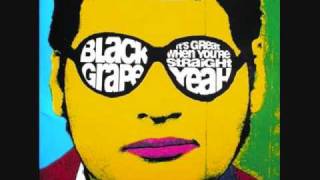
Watch the official Reverend Black Grape
music video
The core message behind the chaos
At its heart, the song argues that organized religion can become performance. Early lines frame faith as something traded for influence, not lived with honesty. When the lyric refers to buying, selling belief
, it reduces spiritual life to a market. That is the song’s first major theme: belief gets turned into a product.
The next theme is false leadership. The narrator attacks preachers and authority figures who gather people around them, then use that power for status. The repeated call for a witness sounds like a gospel shout, but here it feels ironic. Instead of inviting truth, it often sounds like someone demanding applause.
Interpretation: the song is not rejecting spirituality itself as much as mocking people who exploit it. That difference matters. The repeated question about feeling the spirit is not calm or devotional. It sounds pressured, almost theatrical, as if they are asking whether listeners can see through the act.
How the verses attack power
One reason the song hits so hard is that it keeps shifting from broad mockery to pointed accusations. It starts with church and commerce, then expands into social control, empty ritual, and historical corruption. The line while I blow my own trumpet
gives away the game. The so-called preacher is really advertising himself.
That phrase also connects several parts of the song. They mock religious pageantry, but they also mock vanity in general. The person at the center wants attention, praise, and control. In that sense, “Reverend Black Grape” is about celebrity ego as much as religious ego.
There is also a deliberately ugly historical reference involving the Pope and Nazis. The song uses that image to suggest moral institutions can protect themselves instead of doing what is right. Factually, that is a provocative artistic claim rather than a careful history lesson, and listeners should hear it as part of the song’s anti-authority attack.
The chorus uses gospel language as a trap
The hook is where the song’s meaning becomes clearest. It borrows the tone of a hymn and flips it into mock ceremony:
Oh come oh ye faithful
joyful and triumphant
Gather around
while I blow my own trumpet
Before and after those phrases, the idea is obvious: a sacred invitation gets turned into a joke about self-promotion. The song takes a communal religious image and twists it into proof that the leader only wants a crowd.
That is why the chorus sticks. It is catchy, but it also reveals the whole satire in a few lines. They are not simply mocking church music. They are exposing how easily spiritual language can be used to flatter the speaker.
Sound and production: why it feels like a revival gone wrong
The production matters a lot to the meaning of Reverend Black Grape Black Grape. Black Grape often built songs from grooves, chants, and a half-spoken swagger rather than neat verse-chorus storytelling. On this track, the beat pushes forward with a loose, funky stomp. The vocal delivery sounds part sermon, part street taunt, and part drunken stand-up routine.
That mix creates tension. The music feels celebratory, but the words are suspicious and biting. Gospel-style calls like Can I get a witness
should unite a room, yet here they sound corrupted by showmanship. The song’s energy makes the satire more effective because it places listeners inside the very spectacle it is criticizing.
A useful bit of context is that Black Grape were widely seen as part of the wild, sample-happy 1990s British alternative scene, as noted in coverage from AllMusic. That backdrop helps explain the song’s collage style: irreverent, danceable, and eager to provoke.
A song about religion, but not only religion
Reading one: a direct attack on institutional faith
This is the clearest reading. The lyrics focus on ministers, ritual, public piety, and the selling of belief. In this version, the song says institutions can betray the values they claim to defend.
Reading two: a broader attack on anyone performing virtue
Interpretation: the song can also be heard as a swipe at politicians, celebrities, or scene leaders. Anyone who gathers followers, speaks in moral slogans, and secretly chases status fits the song’s villain. That broader reading makes the track feel larger than one topic.
Why the song still stands out
“Reverend Black Grape” lasts because it does not lecture in a tidy way. It mocks, chants, provokes, and dances all at once. That makes its message hit sideways. Instead of calmly arguing that authority can be fake, it stages a noisy fake sermon and lets the contradiction speak for itself.
For many listeners, that is the real meaning of Reverend Black Grape Black Grape: a warning about charisma without integrity. If someone asks for trust, attention, or devotion, the song suggests they should also ask who benefits.
Final takeaway
Black Grape turn revival language into a weapon against hypocrisy. Their song is funny, rude, and messy by design, but the idea underneath is clear: belief becomes dangerous when leaders use it as theater, branding, or control.
This interpretation is based on the lyrics, the band’s context, and the song’s sound. Like most satirical songs, it remains open to more than one reading.







