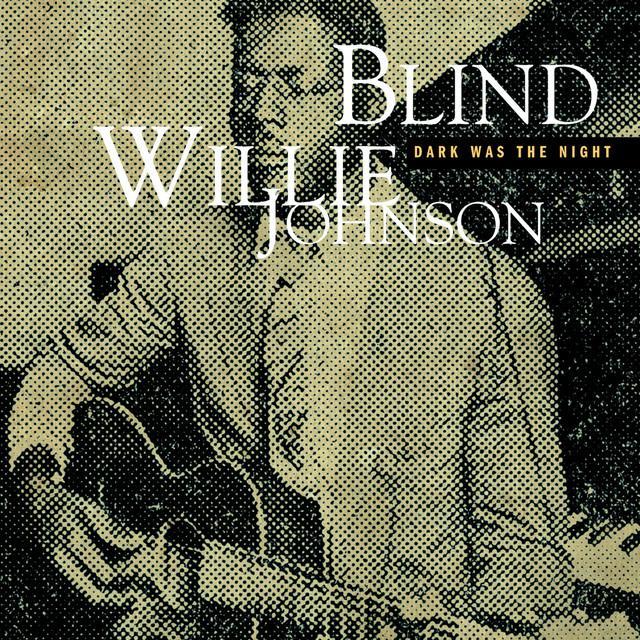
Why Blind Willie Johnson’s Prayer Still Glows
The meaning of Let Your Light Shine on Me Blind Willie Johnson starts with a simple idea: they are singing for guidance, mercy, and proof of God’s presence. This is not a story song with many twists. It is a spiritual plea built on repetition, conviction, and the hope that divine light can reach a troubled life.
"Let Your Light Shine on Me" - Blind Willie Johnson
Oh, let Your light from the lighthouse shine on
Let it shine on me, let it shine on me
Loading lyrics...
Unable to load lyrics
We're unable to display the lyrics at this time. Please try again later.
Blind Willie Johnson recorded the song in 1929, though it was already part of the gospel tradition. According to Wikipedia, earlier versions were recorded in the 1920s, which matters because Johnson was not inventing the message from nothing. They were entering a living religious tradition and turning it into something intensely personal through voice and sound.
The Core Message Hiding in Plain Sight
At its heart, the song asks for spiritual illumination. When the singer repeats shine on me
, the request is bigger than comfort. They are asking to be seen, saved, and directed.
The image of the lighthouse is the key. A lighthouse does not remove the storm, but it helps people move through danger without getting lost. In this song, the line about the light from the lighthouse
turns Christian faith into a navigational image. Life is dark and uncertain, but heaven offers a beam strong enough to lead the soul.
Interpretation: This is why the song feels both humble and confident. The singer admits need, yet they also trust that the light exists and can reach them.

Watch the official Let Your Light Shine on Me
music video
Faith, Testimony, and Public Belief
Johnson’s lyric moves from request to testimony. The song says the Lord has done what was promised, then points to miracles like healing the sick and raising the dead. In other words, the singer does not ask blindly. They ask on the basis of belief in God’s past action.
That shift is important to the meaning of Let Your Light Shine on Me Blind Willie Johnson. The song is not just prayer; it is witness. They are saying: God has power, God keeps promises, so that same power can shine here too.
Later, the singer declares I ain't ashamed
. That moment gives the performance a public edge. Faith is not hidden or polite. It is announced.
Angels in Heaven
wrote my name
These brief lines push the song toward assurance. The singer is not only hoping for rescue in the present. They also believe their place in the next life is secure.
The Biblical Picture Behind the Song
The song’s language strongly echoes the Bible’s idea of holy light. The lighthouse image also fits a long Christian tradition of describing God as a guide through danger. Wikipedia notes a likely link to Matthew 5:16, the verse about letting light shine before others. That matters because Johnson’s version balances two meanings at once:
- God’s light shines down on the believer.
- The believer’s faith then becomes visible in the world.
Interpretation: The song may sound like a private prayer, but it also hints at public witness. To be lit by grace is also to become an example of grace.
Why Johnson’s Performance Changes Everything
A lot of gospel songs live or die by the singer’s conviction, and Johnson’s recording is extraordinary on that level. On the 1929 recording, they begin in a high tenor and later drop into the rough, famous growl that made Johnson one of the most haunting figures in gospel blues. That vocal switch gives the song two emotional colors.
The tenor feels reaching and urgent. The lower growl feels rooted, almost like the earth itself answering back. Together, they make the prayer sound both human and otherworldly.
The arrangement is spare, as was common in Johnson’s work: voice, slide guitar, rhythm, repetition. But that simplicity is part of the power. The guitar does not distract from the message; it underlines it. Each phrase feels like another wave hitting shore, and each return of the chorus feels like another turn of the lighthouse beam.
For more on Johnson’s life and recording legacy, the Encyclopaedia Britannica overview is useful background.
Repetition as Meaning, Not Filler
Some listeners may notice that the song circles around the same lines again and again. In gospel music, repetition is not a lack of ideas. It is the method.
Each return to let it shine on me
deepens the need. First it sounds like a request. Then it sounds like insistence. By the end, it can feel like surrender and certainty at the same time.
This is one reason the song has lasted. It is easy to sing communally, easy to remember, and emotionally open enough for many situations. A person could sing it in fear, joy, grief, or gratitude, and it would still fit.
A Song with a Long Life Beyond Johnson
Because this song is traditional, Johnson’s version is one stop in a much longer history. Earlier gospel groups recorded it before him, and later artists from Lead Belly to Bob Dylan in live performance kept it alive. That broad afterlife shows how durable its central symbol is.
The lighthouse image works across decades because it is plain but deep. Anyone can understand what a guiding light means. Johnson’s genius was to make that familiar image sound urgent, raw, and eternal.
Final Take on the Song’s Meaning
So what is the meaning of Let Your Light Shine on Me Blind Willie Johnson? In the clearest sense, it is a gospel-blues prayer asking God for guidance, healing, and salvation. It turns divine light into a lighthouse beam and presents faith as both comfort and direction.
Interpretation: Johnson’s performance also suggests something more personal: a soul in a dark world asking not to be abandoned. The song’s beauty comes from how little distance there is between theology and need. They sing doctrine, but it feels like survival.
That is why the recording still moves listeners nearly a century later. It does not argue. It reaches.
Disclaimer: This interpretation separates documented context from informed reading. Because the song is traditional and symbolic, some meanings will vary from listener to listener.







