Why ‘Don’t Tell Me It’s Over’ Still Stings
The meaning of Don't Tell Me It's Over blink-182 starts with panic. This is a song about someone stuck in the first ugly stage after a breakup, when pride, regret, anger, and hope all collide at once. They do not sound calm or wise. They sound rattled.
"Don't Tell Me It's Over" - blink-182
Can't leave my room, can't breathe since she left me
I will admit I hate those things I said
Loading lyrics...
Unable to load lyrics
We're unable to display the lyrics at this time. Please try again later.
That matters because blink-182 often turned emotional confusion into fast, catchy pop-punk. On this track, they present a narrator who wants the relationship back, but also lashes out with broad, immature ideas about gender and dating. The result is not a polished lesson. It is a messy snapshot of heartbreak.
The Real Subject: Heartbreak Without Emotional Skills
At its core, the song follows someone who has lost control after being left. Early details like the phone ringing and the inability to settle down create a physical picture of anxiety. When the narrator says can't breathe
, the song turns emotional pain into a bodily feeling.
The next important move is regret. They admit they hate the things they said, which shows they know they played a part in the breakup. But that self-awareness does not last for long. Almost immediately, the song shifts into defensive stereotypes about how boys and girls act.
Interpretation: This tension is the point. The narrator is caught between honest guilt and emotional immaturity. They know they messed up, but they are not mature enough to deal with it cleanly.

Watch the official Don't Tell Me It's Over
music video
A Chorus Built on Denial
The hook carries the song’s biggest emotional truth. When they plead don't tell me that it's over
, they are not really arguing a case. They are trying to stop reality from becoming final.
That is why the chorus feels bigger than the verses. It strips away the jokes and complaints and gets to the central fear: being abandoned. The line about not being used to temptation suggests another layer too. The narrator may be pulled toward the ex again, even after drama and distrust.
Don't tell me that it's over
I'm not used to this temptation
These lines frame the breakup as something unfinished in the narrator’s mind. Even if the relationship was unhealthy, they still want the door open.
Verse-by-Verse: How the Song Spirals
The story moves in a simple but effective sequence:
- A breakup has already happened.
- The narrator feels trapped in their room and own thoughts.
- They admit some guilt over past words.
- They shift from self-blame to blaming the other person.
- The chorus reveals they still want the relationship back.
That emotional swing is classic blink-182 songwriting. A character can sound vulnerable one second and sarcastic the next. Here, those flips make the narrator feel believable, even when they sound unfair.
One key phrase is when you came running back
. It suggests an on-and-off relationship, or at least a fantasy that the ex has returned before and could return again. That gives the song its unstable emotional center: they are hurt, but also addicted to the cycle.
The Ugly Gender Lines Matter Too
Some of the song’s most memorable lines are also its weakest emotionally. The narrator throws out blanket claims about girls and guys, reducing a real breakup to cheap categories. From a modern perspective, those lines can sound dated and petty.
Still, they reveal something useful about the character. Rather than process pain directly, they hide behind sarcasm and simplistic ideas. blink-182 did this often in their earlier and middle years: humor and immaturity were part of the package, but they also exposed insecurity underneath.
Interpretation: The song is not convincing because its gender theories are true. It works because those theories sound like the kind of defensive nonsense a hurt person might say when they are trying not to feel rejected.
How the Sound Sells the Emotion
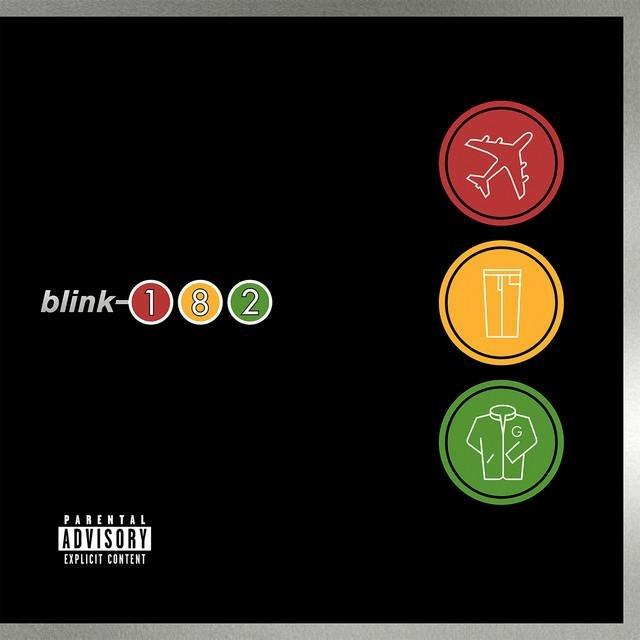
“Don’t Tell Me It’s Over” is associated with the Take Off Your Pants and Jacket era, a period when blink-182 sharpened their mix of speed, melody, and emotional directness. According to album credits, the band worked with producer Jerry Finn, whose clean but punchy style helped define their biggest records.
That production style shapes the meaning. The guitars hit with bright force, the drums push everything forward, and the vocal delivery sounds urgent instead of reflective. Travis Barker’s drumming does not let the emotion sit still. Mark Hoppus and Tom DeLonge wrote songs in this era that could sound fun on the surface while carrying real frustration underneath, a dynamic noted in coverage of the band’s breakthrough years.
In this track, the polished pop-punk sound creates a useful contrast. The music is tight and catchy, but the narrator is falling apart. That contrast is part of why the song sticks.
Context Within blink-182’s Catalog
This song fits a larger blink-182 pattern: young men struggling to talk honestly about vulnerability. Many of their songs mix jokes, self-pity, lust, and sadness. “Don’t Tell Me It’s Over” sits in that lane, but leans harder into post-breakup desperation than pure comedy.
It also feels like a bridge between two sides of the band. One side loves bratty punch lines. The other side is capable of real longing. Here, both show up at once.
That blend explains why listeners still search for the meaning of Don't Tell Me It's Over blink-182. The song is not deep in a poetic sense, but it is emotionally recognizable. Lots of people have said foolish things after being hurt. Lots of people have wanted someone back even when they knew the situation was a mess.
Final Take: A Snapshot of Emotional Whiplash
The best way to hear this song is as a portrait of someone losing the argument with their own feelings. They regret, accuse, hope, and deny all within a short runtime. The song does not resolve those feelings. It just lets them crash into each other.
That makes “Don’t Tell Me It’s Over” less a statement about relationships and more a statement about emotional panic. It captures the voice of someone who cannot accept an ending, even while showing exactly why the relationship may have failed.
Disclaimer: This interpretation is based on the lyrics, performance, and known band context. As with most songs, different listeners may hear its meaning differently.







