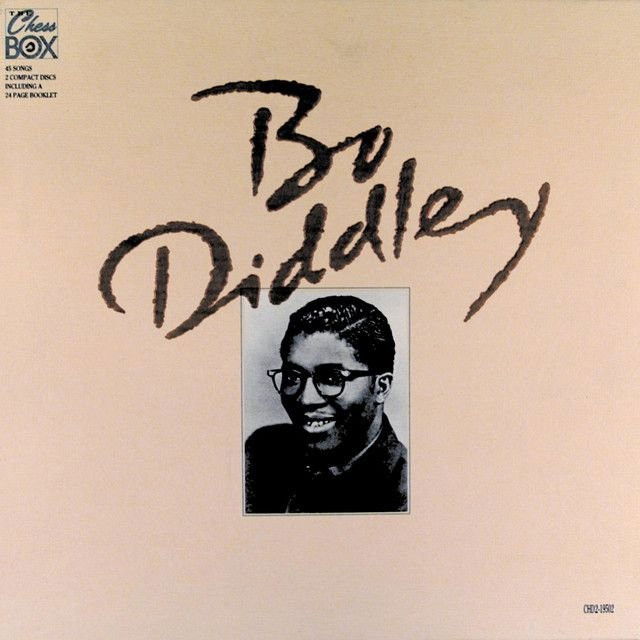
What “I’m A Man” by Bo Diddley Really Means
The meaning of I'm A Man Bo Diddley starts with a very direct idea: this is a song about grown-man confidence, sexual swagger, and public self-creation. Bo Diddley does not sound shy or uncertain. They present a speaker who wants the listener to know he has moved from boyhood into adulthood, and he says it with force, humor, and rhythm.
"I'm A Man" - Bo Diddley
At the age of five,
I had somethin' in my pocket,
Loading lyrics...
Unable to load lyrics
We're unable to display the lyrics at this time. Please try again later.
Released in April 1955 as the B-side to Bo Diddley’s first Checker single, the song became a major hit and reached No. 1 on the Billboard R&B chart, helping launch one of the key careers in early rock and rhythm and blues. According to the Wikipedia entry, it was recorded in Chicago on March 2, 1955 and produced by Leonard Chess, Phil Chess, and Bo Diddley.
A Blues Brag With a Bigger Point
On the surface, the song is a classic blues boast. The speaker tells the audience he is no longer a child and repeatedly declares I'm a man
. That hook is simple, but it carries a lot of weight. It is about age, sexuality, power, and status all at once.
The opening verse sets up a jump from childhood to adulthood. The lyrics first mention being young, then quickly move to being grown. That shift matters because the whole song turns on a claim of arrival. When the singer says made twenty-one
, he is not only stating an age. He is announcing independence and male authority in the language of 1950s blues.
Interpretation: This is not just confidence. It is performance. The singer is building a larger-than-life identity in real time, using repetition so the audience cannot miss it.

Watch the official I'm A Man
music video
How the Hook Turns Identity Into Sound
The smartest part of the song may be the spelling device: M-A-N
. That move makes the central claim feel almost official, like the singer is stamping his own label onto the record.
Bo Diddley later recalled in a brief Rolling Stone anecdote, cited by research sources, that the song took time to record because of confusion over the timing of the spelled-out chorus. That detail matters because it shows how important the hook was. The pause and punch of the letters create tension, then release it.
I'm a man
I spell M-A-N
Those lines are the whole message in miniature. The song does not hide its meaning. Instead, it sharpens it until it becomes unforgettable.
Desire, Power, and Exaggeration
A big part of the meaning of I'm A Man Bo Diddley lies in blues exaggeration. The speaker makes huge claims about sexual power and irresistible charm. He talks as if women will stand in line
and as if his romantic ability is nearly superhuman.
That kind of bragging was already part of the blues tradition. It was theatrical as much as literal. In this song, the boasting helps create a mythic version of masculinity: strong, desired, and impossible to ignore.
Still, modern listeners may hear a tension in it. The song celebrates confidence, but it also reflects an older male code where dominance is part of the performance. That does not erase its energy, but it does shape how the lyrics land today.
Interpretation: The song works best when heard as a persona piece. The singer is playing the role of the ultimate tough, sexy blues man, not giving a balanced self-portrait.
The Sound Says as Much as the Words
One reason the song still hits is that its music supports the message perfectly. Unlike Bo Diddley’s famous signature rhythm, this track leans more into a hard Chicago blues drive. Research notes often connect it to Muddy Waters’ style, especially the swaggering template of “Hoochie Coochie Man.”
The riff feels blunt and muscular. The beat is steady, the groove is insistent, and the vocal delivery sounds half-spoken, half-sung, as if the singer is too sure of himself to decorate the point. Harmonica, drums, maracas, piano, and guitar all help give the track a rough, street-level power.
That production matters. The song is only about two minutes long, but it wastes nothing. Everything is built to underline the same feeling: force, certainty, and momentum.
Why Muddy Waters Matters Here
The song also belongs to a conversation inside the blues. It is often described as being inspired by Muddy Waters, and after Bo Diddley released it, Waters answered with “Mannish Boy.” That back-and-forth is one of the most famous exchanges in blues history.
This context deepens the meaning. “I’m A Man” is not only a personal statement. It is also a competitive one. In blues culture, artists often answered each other, challenged each other, and reshaped shared ideas. Bo Diddley’s song sounds like a claim for space: they are here, they are young, and they belong among the giants.
Why the Song Lasted So Long
The song’s legacy helps explain its meaning too. It was added to the National Recording Registry in 2012, entered the Blues Hall of Fame in 2018, and the recording reached the Grammy Hall of Fame in 2020. Songfacts also notes how widely its riff and attitude spread into later blues-rock.
Its influence is easy to hear in British rock versions, especially the Yardbirds cover, which turned the song into a garage-blues explosion for a new generation. That matters because the original already had the raw materials of rock music: attitude, repetition, riff power, and a memorable vocal hook.
The Final Meaning Beneath the Swagger
So what is the meaning of I'm A Man Bo Diddley? At its core, it is a song about announcing identity with absolute confidence. It turns adulthood into a chant, desire into theater, and blues bravado into a public act of self-invention.
Its message is simple, but its impact is huge. The song captures a moment when blues, R&B, and early rock were all feeding each other, and Bo Diddley stands in the middle of that moment sounding fearless.
That is why the record still feels alive: it is not just saying who the singer is. It is showing how popular music can create a legend in under two minutes.
Disclaimer: This interpretation combines documented history with informed reading of the lyrics and performance. Different listeners may hear the song differently.








