Why Dylan’s ‘Key West’ Feels Like the Edge of Life
The meaning of Key West (Philosopher Pirate) Bob Dylan starts with a place, but it does not end there. On the surface, the song praises Florida’s southern tip. Underneath, it sounds like a search for peace, escape, and maybe even life after death.
"Key West (Philosopher Pirate)" - Bob Dylan
Doctor said, "McKinley, death is on the wall
Say it to me, if you got something to confess"
Loading lyrics...
Unable to load lyrics
We're unable to display the lyrics at this time. Please try again later.
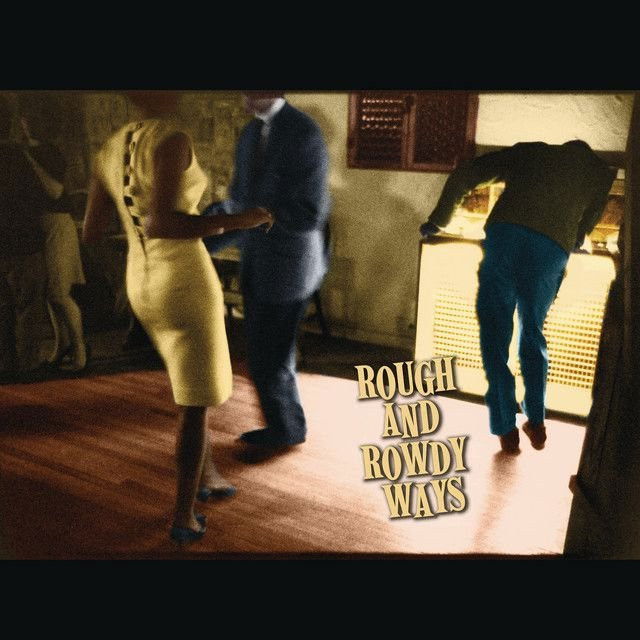
Released on Rough and Rowdy Ways in 2020, the 9:34 track is one of the album’s emotional centers. According to Wikipedia, it was recorded in early 2020 at Sound City and built around a slow, accordion-led arrangement. That sound matters: it drifts instead of drives, which helps the song feel suspended between memory and dream.
A Paradise Song That Is Not Just About Paradise
Factually, the lyrics mention real places and details from Key West, including Newton Street, Bayview Park, Mallory Square, and Truman’s winter White House. But Dylan does more than write a travel postcard. He turns Key West into a symbolic destination.
The chorus keeps returning to the idea that Key West is where someone goes if they are looking for immortality
. That word pushes the song beyond tourism. This is not only a place to relax. It becomes a place where the narrator hopes to outlast pain, confusion, and time itself.
Interpretation: Key West works like a horizon in the song. It is visible, desired, and deeply meaningful, but never fully pinned down. When Dylan calls it the horizon line
, he suggests a border space: part earth, part dream, part ending, part beginning.
Watch the official Key West (Philosopher Pirate)
music video
The Narrator Sounds Like an Outcast in Search of Shelter
The speaker is in first person, but that does not mean they are simply Bob Dylan. Dylan often writes through masks and invented voices. Here, the narrator feels like a drifter, outlaw, survivor, and old soul all at once.
They describe being on the wrong side of things, tuning in to a pirate radio station
, and carrying a life story full of strange turns. Some lines sound comic, some wounded, and some almost mythic. That mixed tone is important. The song never settles into one clear identity because the narrator may stand for many kinds of outsiders.
Critics have heard this too. In Rolling Stone, Rob Sheffield described the song as a tale of a hunted, weathered figure hiding in Florida. That reading fits the lyrics, but it should still be treated as interpretation, not confirmed plot.
A Collage of America, Art, and Old Songs
One reason the song feels mysterious is its collage style. Dylan mixes presidents, Beat writers, radio signals, flowers, streets, folk music, and old pop references into one stream. The opening mention of McKinley echoes the old folk song “White House Blues,” while later lines nod to writers like Ginsberg, Corso, and Kerouac.
These references are not random decoration. They create a mind crowded with history and culture, as if the narrator carries all of America in fragments. The effect is less like a diary and more like someone flipping through memory, radio static, and national myth at the same time.
A Short Passage That Shows the Song’s Goal
Before the refrain, Dylan frames Key West as both real and symbolic:
Key West is the place to be
If you're looking for immortality
Key West is paradise divine
Even in this brief passage, Key West becomes more than geography. It sounds like a final refuge, a holy hideout, or a place where the self might be remade.
Sound First, Meaning Second
The production helps explain why the song lands so deeply. Donnie Herron’s accordion is central, with organ, brushed drums, and unhurried guitars creating a soft sway rather than a strong beat. The arrangement gives the song a Gulf Coast stillness, but also a ghostly quality.
Dylan’s vocal is calm and worn-in. He does not sing these lines like revelations shouted from a mountaintop. He delivers them like half-remembered truths. That restraint makes phrases like land of light
feel more haunting than triumphant.
Interpretation: The music suggests a crossing. It is gentle, but it also feels slightly detached from ordinary time. That is why many listeners hear the song as an afterlife meditation as much as a place song.
Is Key West Heaven, Death, or Just Home?
There are at least three strong ways to read the song:
- Refuge reading: Key West is a hideout for the damaged and misunderstood.
- Spiritual reading: Key West stands for death, eternity, or the soul’s next stop.
- American memory reading: Key West is where history, pop culture, and personal myth all wash together.
The lyrics support all three. The narrator comes back to Key West as if pulled by fate. They speak of returning home, but home here feels unstable. It may be a literal place, an emotional state, or the peace that comes at the end of struggle.
That ambiguity is a big part of the song’s power. Amanda Petrusich of The New Yorker called it “Shakespearean” for its richness and complexity, and that seems fair. Dylan leaves enough open space for listeners to enter the song with their own fears and hopes.
Why the Song Endures
The meaning of Key West (Philosopher Pirate) Bob Dylan is not a single message hidden in a puzzle. It is a mood, a quest, and a spiritual map. Key West is the promised place where memory softens, pain loosens, and the lost might finally find themselves.
That is why the song has been widely praised and kept alive in performance. It feels deeply American, but also outside of time. It is about place, yet it reaches for something beyond place.
In the end, Dylan presents Key West as a destination at the edge of the known world. Whether that edge means freedom, death, healing, or all three at once is left for the listener to decide.
Disclaimer: This interpretation blends documented context with informed reading of the lyrics and sound. Dylan’s songs often resist one fixed meaning.








