Why 'Don't Worry, Be Happy' Still Works
The meaning of Don't Worry Be Happy Bobby McFerrin starts with a simple idea: life is hard, but worry can make it harder. Bobby McFerrin turns that thought into a song that sounds effortless, even though its message is more layered than people sometimes admit.
"Don't Worry Be Happy" - Bobby McFerrin
You might want to sing it note for note
Don't worry, be happy
Loading lyrics...
Unable to load lyrics
We're unable to display the lyrics at this time. Please try again later.
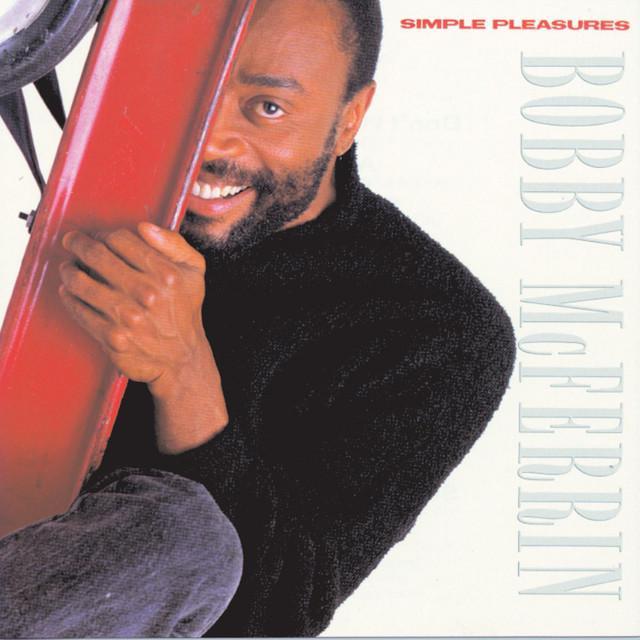
Released in 1988 as the lead single from Simple Pleasures, the track became the first a cappella song to hit No. 1 on the Billboard Hot 100. It later won three Grammys and, in 2024, the Library of Congress added it to the National Recording Registry for its cultural importance. Those facts help explain why this song has lasted, but they do not fully explain why it still connects.
A Cheerful Hook With a Serious Core
On the surface, the song offers a bright command: don't worry, be happy
. But the verses make clear that McFerrin is not singing from a fantasy world. He lists ordinary setbacks: no bed, late rent, no cash, no romance, and the social stress that follows.
That matters because the song does not deny trouble. It says trouble is normal. Its central claim comes through in the short line make it double
, which suggests that fear can pile emotional pain on top of practical pain.
Interpretation: the song works less like advice to ignore reality and more like a street-level lesson in emotional survival. It asks listeners to separate the problem itself from the panic around it.

Watch the official Don't Worry Be Happy
music video
How the Verses Build the Song's Meaning
Each verse gives a new example of everyday pressure. Losing a place to sleep, dealing with a landlord, and feeling broke are not abstract ideas. They are common, embarrassing, and stressful situations.
By using plain language, McFerrin keeps the song close to daily life. The line ain't got no cash
is almost cartoonishly simple, but that simplicity is the point. The song is aimed at problems anyone can recognize in seconds.
Then it shifts from private emotion to public effect. Worry changes a person’s expression, mood, and behavior. When the song mentions a frown and how it can bring everybody down
, it expands the meaning: anxiety is not only internal. It can spread through a room, a family, or a whole day.
A Rare Pop Song About Mood Contagion
That idea gives the song more depth than its reputation suggests. It is not only about personal happiness. It is also about how people affect each other.
In every life we have some trouble
But when you worry, you make it double
This brief passage is the song’s thesis. Problems are expected. The warning is about adding dread, rumination, and social heaviness to something already difficult.
Why the Sound Matters So Much
Part of the meaning of Don't Worry Be Happy Bobby McFerrin lives in the arrangement. According to widely cited release information, the recording is entirely a cappella, built from overdubbed voice parts rather than standard instruments. McFerrin recorded it at Fantasy Studios in Berkeley, and the track’s vocal layers create the rhythm, bass feel, and melodic bounce usually supplied by a band.
That choice matters artistically. A song about stripping away worry is itself stripped down. There is no heavy production, no dramatic buildup, and no dense wall of sound. Instead, there is space, breath, and play.
Interpretation: the all-vocal production makes the message feel homemade and human. It sounds like a person proving that joy can be made from almost nothing.
The Artist Context Behind the Smile
McFerrin has said the title phrase was inspired by a poster he saw, tied to the expression associated with Meher Baba. That background helps explain the song’s slogan-like quality. It was built from a phrase already floating in popular culture, then transformed into a pop performance with jazz instinct and rhythmic wit.
Even so, the song is not purely motivational poster material. McFerrin’s vocal delivery has humor in it. There is a wink to the performance, especially when he tosses in spoken asides and playful sounds. That looseness keeps the track from becoming too stiff or preachy.
Why Some People Love It and Others Resist It
The song’s legacy has always been mixed. Many listeners hear comfort, calm, and a useful reset. Others hear forced positivity, especially because the hook is so repetitive.
Both reactions make sense. A phrase this direct can feel freeing on one day and shallow on another. That tension is part of why the song remains memorable. It sits right on the line between wisdom and cliché.
Interpretation: its genius may be that it knows this. By repeating one tiny instruction over and over, the song tests whether a listener hears truth, comedy, denial, or all three at once.
Why It Still Endures
The song lasted because it is easy to remember, but also because it addresses a timeless habit: people add mental suffering to real problems. McFerrin packages that lesson in a sound that feels light without being empty.
For many listeners, the song is not saying that everything will be fine. It is saying that panic is rarely a good strategy. In that sense, its optimism is modest, not grand.
That is why the meaning still lands decades later. Beneath the smile, the song offers a practical message: trouble will come, but people still have some choice in how much extra weight they give it.
Disclaimer: This interpretation is based on the lyrics, recording style, and public context around the song. As with any art, listeners may hear different meanings in it.









