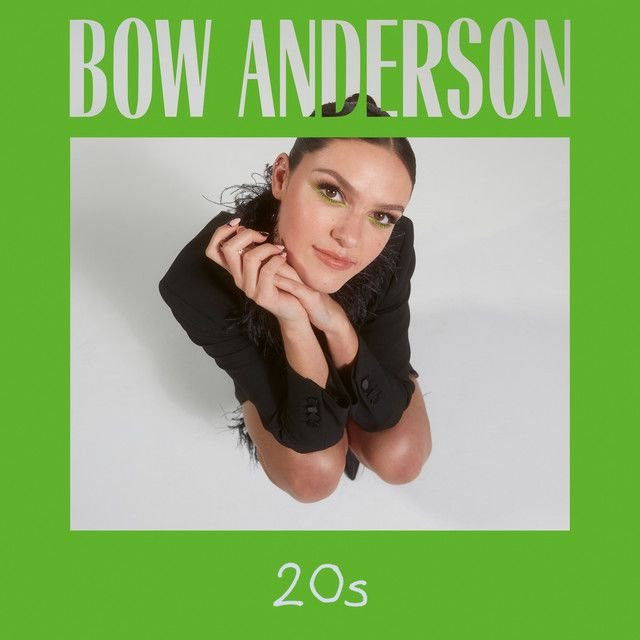
Why “20s” by Bow Anderson Hits So Hard
Bow Anderson’s “20s” turns a very common private panic into a sharp pop anthem. The meaning of 20s Bow Anderson centers on one big fear: the sense that adulthood has arrived, but the map never did.
"20s" - Bow Anderson
Show up for work, don't skip your breakfast
A functional member of society
Loading lyrics...
Unable to load lyrics
We're unable to display the lyrics at this time. Please try again later.
Rather than pretending young adulthood is exciting and free, they describe it as unstable, messy, and full of comparison. That honesty is why the song lands. It is not just about being young. It is about feeling late to one’s own life.
The Core Idea Behind the Chaos
At its heart, the song is about pressure. The verses pile up ordinary expectations: go out, be fun, keep a job, call family, stay healthy, look successful. The singer can do some of those things, but none of them make them feel settled.
That tension comes through when the song contrasts outward function with inward panic. A phrase like functional member of society
sounds neat on paper, but in context it feels sarcastic. They are asking whether adulthood is just performance.
Interpretation: The song argues that the hardest part of being in one’s twenties is not making mistakes. It is believing those mistakes mean they are behind.

Watch the official 20s
music video
A Deadline That Feels Made Up—But Real
The chorus gives that anxiety a deadline: until I'm 29
. Of course, there is nothing magical about that number. Still, it works because many people treat the end of their twenties like a final exam for adulthood.
The song shows how comparison fuels that fear. One of its strongest details is the jump from the present to a memory of parents buying a home young. That line does not just describe housing. It shows how family history becomes a measuring stick.
In the same breath, the song says the speaker is now sleeping on my friend's couch
. That image is vivid because it suggests instability without needing extra explanation. They are not homeless, but they are not rooted either.
Growing Up Next to Everyone Else
A major reason the track feels so relatable is how it captures uneven timelines. Some friends are settled, engaged, and planning children. Meanwhile, the singer is still wrestling with dating, identity, and basic direction.
That contrast is not framed as jealousy alone. It sounds more like disorientation. They are watching people their age move into different versions of adulthood and wondering which version, if any, belongs to them.
Comparison Is the Hidden Villain
The line about friends back home matters because it widens the song’s scope. This is not just one person’s bad week. It is a portrait of what happens when social milestones stop lining up.
Interpretation: “20s” suggests that young adulthood feels scary partly because there is no single path anymore, but people still judge themselves as if there were one.
How the Hook Reframes the Whole Song
The chorus repeats that life would be messy
, and that may be the song’s emotional center. It sounds obvious, but the point is that nobody prepared them for how messy it would feel from the inside.
That is what makes the hook effective. It is not complaining that life is imperfect. It is grieving the loss of a simpler belief: the idea that growing up would bring clarity.
Only got until I'm 29
To figure out what I'ma do
Those lines capture the song’s trap. The pressure is self-imposed, socially reinforced, and emotionally real all at once.
Sound, Delivery, and Why the Song Feels So Immediate
Even without getting lost in technical language, the production helps tell the story. The song uses bright, punchy pop energy to carry very anxious thoughts. That contrast matters.
Instead of sounding defeated, the track moves with urgency. The beat and vocal phrasing make the panic feel active, almost breathless, as if the singer is trying to keep up with life while narrating the spiral in real time.
Bow Anderson is known for emotionally direct pop writing, and the listed songwriters—Bow Anderson, Dominic Liu, Sean Michael Mcdonagh, and Sophie Alexandra Tweed-Simmons—fit that style here. The writing stays conversational, which makes lines about stress and self-doubt feel lived-in instead of dramatic.
The Song’s Best Twist: Fear and Freedom Coexist
One of the smartest parts of “20s” is that it does not only attack young adulthood. In the middle of the confusion, there is also motion, romance, nightlife, and unpredictability. Life is unstable, but it is still alive.
That gives the song emotional balance. It admits fear while refusing to turn the twenties into a total disaster. Even the frustrations about dating and responsibility are delivered with wit and momentum.
Interpretation: The song may be saying that the twenties are terrifying not because they are empty, but because they are crowded. Too many options, too many expectations, and too many ways to feel wrong.
Why “20s” Connects So Easily
The meaning of 20s Bow Anderson is bigger than one person worrying about age. It speaks to a generation taught to expect progress in clean stages, then dropped into a reality that rarely works that way.
That is why listeners hear themselves in lines about stress, missed milestones, and uncertainty. “20s” does not offer a grand solution. Its comfort comes from recognition. It says the confusion is real, shared, and maybe not a sign of failure at all.
Final Take
Bow Anderson’s song is about the emotional whiplash of early adulthood: trying to appear capable while privately feeling lost. Its clearest message is simple: being overwhelmed in one’s twenties is not unusual; it is part of the experience.
This interpretation is based on the released lyrics and publicly available song credits. As with any song, listeners may hear meanings that differ from this reading.









