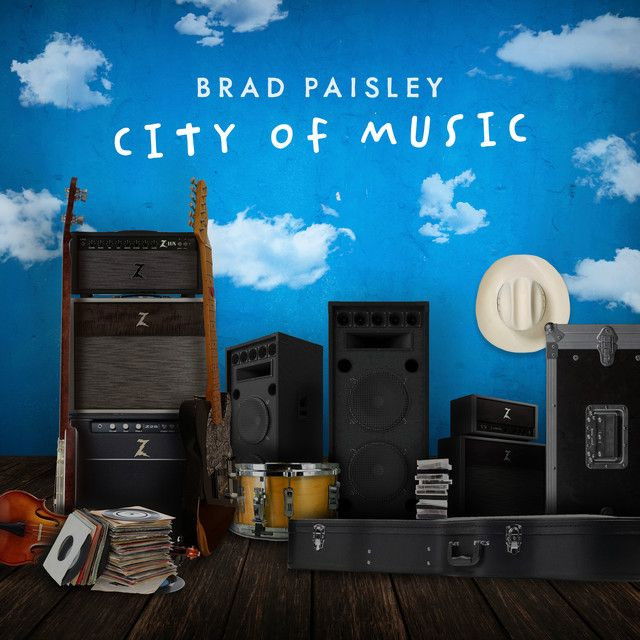
Why 'City of Music' Honors Nashville Dreamers
The meaning of City of Music Brad Paisley starts with a simple idea: Nashville is both a real town and a myth people move toward. In this song, they do not treat Music City as a glamorous fantasy alone. They show it as a place where heartbreak, hustle, faith, history, and luck all live on the same block.
"City of Music" - Brad Paisley
She packed up her car, took the Church Street exit
On half a tank of broken songs
Loading lyrics...
Unable to load lyrics
We're unable to display the lyrics at this time. Please try again later.
Brad Paisley is a fitting artist for that subject. They have spent decades as one of modern country's biggest stars, with more than 50 Billboard country hits and 19 No. 1 singles, while also building a reputation as a sharp guitarist and writer, according to publicly available career summaries such as Wikipedia's overview of Paisley. That background matters because the song sounds like it comes from someone who knows both the dream and the work behind it.
A Song About Nashville From the Ground Level
At its core, the song follows two strivers. One is a small-town singer who leaves Texas for Broadway in Nashville. The other is a young man nursing a breakup and learning guitar. Their stories are different, but both arrive in the same city looking for reinvention.
That is why the song feels bigger than either character. Interpretation: they stand in for thousands of people who come to Nashville hoping talent and pain can become purpose. When the lyric points to the city of music
, it means more than a location. It means a place where identity gets rebuilt through song.
The verses also keep the story grounded. These dreamers do not arrive as stars. One works retail, another is fueled by heartbreak, and both are still waiting for the future to show up. The song respects that middle stage between arrival and success.
Watch the official City of Music
music video
Two Character Sketches, One Shared Hope
The first verse paints a classic leaving-home story. A woman outgrows her town and drives toward a new life. The image of broken songs
suggests she is not just carrying luggage. She is carrying unfinished ideas, disappointments, and maybe old failures too.
The second verse flips to a man whose football path has stalled and whose love life has collapsed. Instead of giving up, he turns to music. That is an old country theme: pain becomes material. The line about singing the blues
turns heartbreak into economic and emotional survival.
The Chorus Turns Nashville Into a Creed
The chorus is the clearest statement of values in the song. The advice to tell the truth
and pay your dues
frames country music as an honest craft, not just an industry. Nashville is not sold as instant fame. It is presented as a city where truth, work, and belief still matter.
That blend of work and faith is important. The phrase praise the Lord
gives the song a spiritual undertone without turning preachy. Nashville becomes a place where bar gigs and almost-religious devotion can exist side by side.
A Brief Lyric Moment That Sums It Up
The chorus captures that worldview in a compact way:
Tell the truth, play some chords
Pay your dues and praise the Lord
Even here, the message is larger than the words themselves. They suggest that great country music comes from craft, honesty, humility, and endurance.
Why the History References Matter
One of the strongest parts of the song is how it places new dreamers inside a much older tradition. Mentions of Harlan, Hank, Mother Maybelle, and the Mother Church
point toward Nashville's deep country lineage. The phrase usually refers to the Ryman Auditorium, one of the city's most symbolic venues.
These names do not function as trivia. Interpretation: they remind listeners that every newcomer is entering a room already filled with legends. The song tells aspiring artists to respect that inheritance, not just chase attention.
The line about singing for the ghosts who came before also deepens the meaning. Nashville is shown as alive with memory. Every stage carries echoes of the people who helped define country music before today's artists got there.
Romance, Chance, and Co-Writing
Midway through, the two storylines meet. The woman who sells boots and the heartbroken guitarist connect, sing old country songs, and wake up in a co-write. That shift matters because it shows how Nashville works socially and creatively.
In this city, jobs, dates, and songs blur together. A boot store can lead to a collaboration. A bad breakup can lead to a first draft. The lyric that says sometimes the songs write you is one of the smartest ideas in the track. It suggests artists do not fully control their lives or even their art. Sometimes experience takes over and turns them into the material.
How the Sound Likely Carries the Meaning
Even without overreading the arrangement, the song's design is easy to imagine through Paisley's style: bright guitars, a clean country groove, and a chorus built for a crowd to sing back. That matters because the production likely mirrors the lyric's mix of tradition and motion.
Paisley has long been known as a guitarist first as well as a singer-songwriter, with roots in classic country and flashy but melodic playing, as noted in biographical summaries of their career and instruments here. A song about Nashville heritage coming from that kind of player naturally carries extra weight.
The Bigger Meaning of City of Music
So what is the meaning of City of Music Brad Paisley in the end? It is a portrait of Nashville as both workplace and pilgrimage site. People arrive with loss, small jobs, unfinished talent, and impossible hopes. The city does not promise easy success, but it does offer belonging.
That is what makes the song warm instead of cynical. It knows the dream is hard. It also believes the effort is holy in its own way.
Disclaimer: This article offers an interpretation based on the song's lyrics, themes, and Brad Paisley's public artistic context. Different listeners may hear its meaning differently.









