Why Brandon Lake's Praise Feels Hard Won
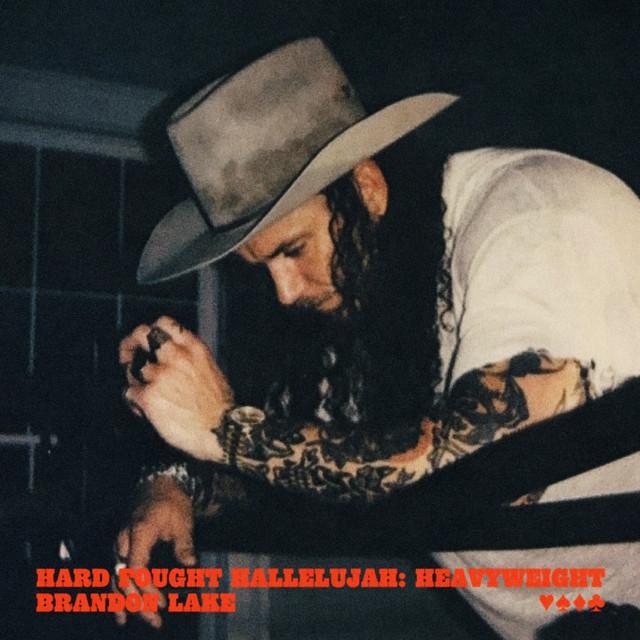
The meaning of Hard Fought Hallelujah Brandon Lake comes into focus fast: this is a worship song about praising God when faith feels costly, not easy. Instead of presenting belief as smooth or triumphant from start to finish, the song makes room for tiredness, doubt, and the slow work of staying faithful.
"Hard Fought Hallelujah" - Brandon Lake
Yeah, but that's when I need it the most
So I'ma keep on singin'
Loading lyrics...
Unable to load lyrics
We're unable to display the lyrics at this time. Please try again later.
That honesty is a big reason the track connected so widely. Released on November 8, 2024, the song became one of Brandon Lake's biggest crossover hits, blending Christian, country, and rock elements into a broad, emotional anthem. It later reached No. 1 on multiple Christian charts and was certified Platinum in the U.S., according to publicly reported chart and certification data (Wikipedia).
A Worship Song for the Days Faith Feels Heavy
At its core, the song says worship is most meaningful when it comes from struggle. The opening idea is simple but powerful: they do not always feel spiritually strong, yet that is exactly when praise matters most. When the lyric mentions my soul catches up
, it suggests a gap between what they choose to sing and what they emotionally feel.
That is an important distinction. The song is not pretending that pain disappears in church language. It argues that faith can lead feelings, rather than waiting for feelings to become perfect first.
Interpretation: This makes the song less about victory after the battle and more about endurance during it. The hallelujah is valuable because it has been tested.
The Chorus Turns Pain Into an Offering
The chorus gives the song its central image: a hard fought, heartfelt
hallelujah. In plain terms, they are offering praise marked by scars, memories, and survival. The phrase been through hell
is blunt, but it widens the song's appeal beyond church settings; it speaks to grief, addiction, depression, failure, or any season that feels brutal.
Another key image is storm tossed, torn sail
. That picture casts the singer as someone battered by life but still moving. A torn sail is damaged, not destroyed. That detail matters because the song never claims the struggle made them fearless. It claims they still bring their story.
God, You've been patient
God, You've been gracious
Those lines shift the focus away from human strength alone. The song's praise is hard fought, but the reason it survives is divine patience and grace.
The Verses Build a Theology of Honest Perseverance
The second verse deepens the message by describing an inner battle. They have wrestled with the darkness
but keep reaching toward light. That is a vivid way to describe spiritual conflict without sounding abstract. Darkness here can mean despair, temptation, confusion, or emotional numbness.
Then the song adds another layer: struggle can break down pride. That is one of its most interesting claims. Hardship is painful, but it can also make faith more honest by stripping away performance and self-reliance.
The fire image pushes that theme further. The lyric about faith being proven through fire echoes biblical language about refinement, but the song uses it in a very accessible way. It says tested faith is not weaker faith; it is faith that has been made real.
How the Sound Makes the Message Bigger
Part of the meaning of Hard Fought Hallelujah Brandon Lake comes from how it sounds. Reported coverage describes the song as a blend of contemporary Christian and country, with swelling strings, arena-sized dynamics, and an electric-guitar hook (Wikipedia). Produced by Micah Nichols and mixed by Vance Powell, it is built to feel intimate at first and then communal.
That structure matters. The verses feel confessional, almost like a testimony. Then the chorus opens outward into something a crowd can sing together. In effect, the production turns private pain into shared worship.
Brandon Lake also said the song is about the battles people face, the grit needed in the fight for faith, and the praise that comes after, as cited in background coverage (Wikipedia). That statement fits the sonic design: the track sounds like someone dragging themselves into praise until the room lifts with them.
Why the Song Landed Beyond One Genre
The song's success makes sense because it sits at a useful crossroads. Its language is rooted in Christian worship, but its imagery is broad and grounded. Storms, fire, heavy hands, and long battles are not niche ideas. They are everyday human experiences.
It also helps that Brandon Lake sings with strain and force rather than polished distance. Critics noted the song's cinematic feel and, in later versions, the extra grit brought by the Jelly Roll collaboration (Wikipedia). Even without discussing every version, the core point remains: the performance sounds lived-in.
Interpretation: That lived-in quality is why the song resonates with listeners who may not normally choose worship music. It does not sell comfort cheaply. It treats praise as something costly and therefore believable.
The Lasting Message in One Phrase
If the song can be reduced to one idea, it is this: worship counts most when it survives real life. The repeated hallelujah is not naive joy. It is gratitude carried through bruises.
That is the real meaning behind the song. It invites listeners to bring unfinished faith, not polished faith; exhausted praise, not effortless praise. And that is what makes the hallelujah feel earned.
Disclaimer: This article offers an interpretation of the song based on its lyrics, publicly available artist comments, and reported release context. Meanings can vary from listener to listener.







