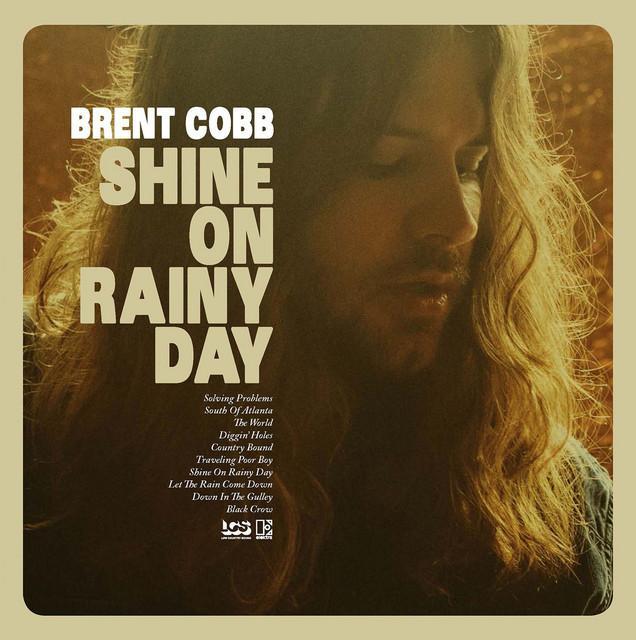
Down In The Gulley by Brent Cobb
A family legend told without glamour
The meaning of Down In The Gulley Brent Cobb starts with a simple but powerful idea: this is not really a song about crime. It is a song about survival, family loyalty, and the hard choices people make when honest work still does not pay enough.
"Down In The Gulley" - Brent Cobb
No matter what the papers say
He worked 'til he bled for everything he had
Loading lyrics...
Unable to load lyrics
We're unable to display the lyrics at this time. Please try again later.
Brent Cobb tells the story through a family memory. The narrator looks back on a grandfather who worked hard, protected his people, and built a secret moonshine operation in the woods. The song does not present him as a cartoon outlaw. Instead, it frames him as a worker, a provider, and a man trying to stay one step ahead of the law.
That point matters because Cobb often writes about ordinary Southern lives rather than polished country fantasy. On PopMatters, critics noted that Shine on Rainy Day focuses on plainspoken stories and working-class characters. “Down In The Gulley” fits that approach perfectly.

Watch the official Down In The Gulley
music video
What happens in the song story
The plot moves like a short film
The verses unfold in clear scenes.
- First, the narrator introduces the grandfather as a decent man despite what outsiders might think.
- Then they remember hard labor, digging and laying pipe in red clay.
- After that, the secret is revealed: the work supports a hidden moonshine setup.
- Finally, the sheriff comes looking, but the family has outsmarted him.
Those story beats give the song its tension. The family is tired, muddy, and poor, but also clever and united. A phrase like good man
matters because it asks listeners to judge the grandfather by his actions toward family, not by the newspaper or the law.
The chorus turns place into meaning
The chorus centers on down in the gulley
and only the moon shines
. On the surface, that is just the hidden location of the still. But emotionally, the gulley becomes more than a place.
Interpretation: the gulley is where respectable society cannot see them, help them, or fully understand them. It is low ground, out of sight, and ruled by darkness and risk. Yet it is also where the family finds income, pride, and a kind of freedom.
That double meaning gives the song its power. The same place that signals danger also becomes shelter.
down in the gulley
where the creek is high
only the moon shines
In just a few lines, Cobb creates a whole world: hidden terrain, rising water, and nighttime secrecy. The chorus sounds almost traditional, like an old folk memory passed down instead of a modern confession.
Poverty is the real pressure in the song
One of the clearest ideas in the lyric is that poverty drives the family’s choices. The song bluntly says that without money, a person cannot get what they need. That idea connects moonshining to economics, not thrill-seeking.
A key phrase, sell your soul
, is not about literal evil. It shows desperation. When people lack basics, even illegal work can feel less like rebellion and more like necessity.
This is where the meaning of Down In The Gulley Brent Cobb becomes strongest. The still is a symbol of an underground economy built because the legal economy has failed them. The family does not enter that world for image or excitement. They do it because water, food, and dignity cost money.
Family pride complicates the picture
The song also shows how survival becomes identity. The hills smell like profit, and everybody knows where to get the family’s product. That means the moonshine operation feeds more than bodies; it shapes the family name.
Interpretation: Cobb suggests a moral gray area. The business is illegal, but it also gives the family reputation, purpose, and local status. Shame and pride live side by side.
How the sound supports the message
“Down In The Gulley” works because the music stays rooted and unflashy. On the 2016 album Shine on Rainy Day, produced by Dave Cobb, Brent Cobb sings with a worn, conversational tone that suits the material. The arrangement feels earthy rather than slick, letting the story carry the weight.
That production choice matters. A louder, shinier recording might have turned the song into a rowdy outlaw anthem. Instead, the likely emphasis on steady rhythm, organic instruments, and open space makes it feel lived-in. They hear not just defiance, but fatigue and memory.
Critics often connect Cobb’s writing to older country traditions: character songs, regional detail, and moral complexity. This track shows why. It sounds like something passed through generations, the way family stories usually are.
The ending is funny, proud, and sharp
The final twist, where the authorities destroy the shack only to learn it is merely a pump house, gives the song a grin. After all the pressure built by the law’s arrival, the grandfather wins through misdirection.
That ending does two things at once. First, it brings relief and humor. Second, it exposes the gap between official power and local knowledge. The sheriff has force, but the family understands the land better.
Interpretation: this is not only a victory over one raid. It is a small triumph of rural cunning over a system that watches, judges, and still misses the truth.
Why the song sticks
What makes “Down In The Gulley” memorable is its refusal to simplify. The grandfather can be loving and lawbreaking. The family can be poor and proud. The hidden still can represent both danger and care.
So the meaning of Down In The Gulley Brent Cobb is best understood as a story about survival under pressure, told with empathy instead of romance. It honors people who do what they think they must, even when the world writes them off.
That balance is very Brent Cobb: human, regional, and plainspoken without being shallow.
Disclaimer: This interpretation is based on the lyrics, recording context, and public commentary. As with any song, listeners may hear different meanings.







