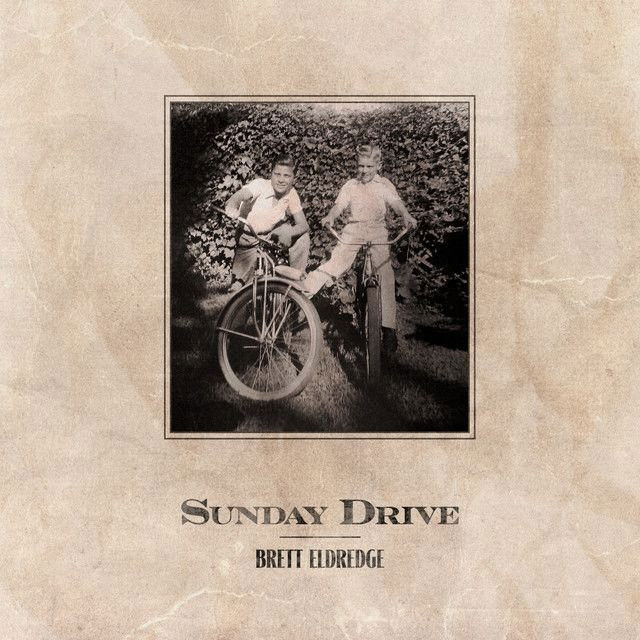
How "Sunday Drive" Turns Time Into Love
The meaning of Sunday Drive Brett Eldredge comes down to something simple and powerful: ordinary family time can shape a whole life. What feels small in the moment later becomes precious. In this song, a casual ride becomes a lesson about love, aging, memory, and the quiet ways parents teach their children.
"Sunday Drive" - Brett Eldredge
We just climbed into the backseat
Eyes wide open to the picture show outside
Loading lyrics...
Unable to load lyrics
We're unable to display the lyrics at this time. Please try again later.
Brett Eldredge did not write the song alone; the lyrics were written by Barry Dean, Don Mescall, and Stephen Robson, as provided in the song’s credits. That matters, because the writing feels carefully built around a universal family experience rather than a flashy twist. The result is a song that aims straight for recognition: many listeners know what it feels like to realize the past was more valuable than they understood at the time.
A Backseat Memory That Grows Up
At first, the song places the narrator in childhood. They are in the back seat, watching the world pass by, unsure where the family is even going. The child sees details but does not grasp their meaning yet. When the lyric describes open window
and trees like falling pieces in line, it captures that dreamy state of being young and simply taking things in.
The early verses also show the parents in the front seat, with one small gesture standing out: they are close, tired from the week, but still connected. The child notices that intimacy without fully understanding it. The song’s emotional force comes from that gap between seeing and understanding.

Watch the official Sunday Drive
music video
The Real Message Hiding in the Chorus
The chorus explains what the child learns much later. The key idea is that ordinary things
can matter most. The ride itself is not dramatic. No one is chasing a big goal. But that is exactly the point: the family is building a life through routine, presence, and care.
When the narrator says they learned how to fight, to love, to laugh again
, the song suggests that parents teach values less through speeches than through example. They show how to stay together after a hard week, how to keep going, and how to find joy again. Interpretation: the Sunday drive becomes a symbol for emotional survival. It is a weekly reset, a small ritual that holds the family together.
The Song’s Best Twist: Time Reverses
The most moving part arrives when the story flips. The child from the back seat has grown up and is now helping their parents into the car. In one line, the whole meaning expands. What once looked like wasted time becomes an inheritance.
This role reversal gives the song its emotional weight. Now the narrator is caring for the people who once cared for them. The father’s brief advice not to drive too far, paired with concern for the mother’s tiredness, shows aging without making it overly sad. Instead, the song frames old age with tenderness and dignity.
Here the image in the mirror becomes crucial. The narrator sees their parents holding hands and smiling
, and for a moment they look younger. Memory and present time overlap. The drive does not literally turn back time, but it lets love make time feel softer.
Symbols That Carry the Meaning
Several images do a lot of work in a small space:
- The car represents family continuity. It carries people through different life stages.
- The road suggests time itself, always moving forward.
- The open window points to awareness, freedom, and a child’s first view of life.
- Home suggests emotional safety as much as a physical place.
One of the most effective phrases is find its own way home
. On the surface, it describes an old familiar car and route. Interpretation: underneath, it suggests family habits so deep they become instinct. Love has made a path that everyone knows, even when life changes.
How the Sound Likely Supports the Story
Even on the page, this lyric points toward a warm, reflective country-pop arrangement. A song like this usually works best with gentle percussion, steady tempo, and melodic rise in the chorus. Those choices would match the sense of motion without rushing the emotion.
Eldredge is known for a rich, resonant vocal style, and that kind of voice suits material built on memory and sincerity. Rather than sounding sharp or restless, the song likely leans into ease and warmth. That supports the central idea: this is not a song about a crisis. It is about realizing that everyday love was the great event all along.
Why It Connects So Easily
Part of the meaning of Sunday Drive Brett Eldredge is its broad relatability. Many listeners have had the experience of dismissing family routines when young, only to miss them later. The song captures that emotional education clearly.
It also avoids cynicism. Even when it admits the narrator once thought they were wasting time
, it turns that mistake into wisdom rather than regret. The song says people often understand love late, but not too late.
A Gentle Final Reading
In the end, “Sunday Drive” is about more than a ride. It is about how love is passed down in habits, how children become caretakers, and how memory can transform the plainest moments into something sacred. Its biggest insight is that family meaning often hides inside repetition.
Interpretation disclaimer: This reading is based on the lyrics provided and common songwriting context. Different listeners may hear slightly different meanings in the song’s family imagery and emotional arc.








