Why "One Last Cry" Still Hurts
The meaning of One Last Cry Brian McKnight comes down to a hard emotional truth: sometimes healing begins only after a person finally lets themselves grieve. Brian McKnight’s hit is not really about winning someone back. It is about accepting that the relationship is over, facing the pain honestly, and then choosing to move on.
"One Last Cry" - Brian McKnight
Are mending on the shelf
I saw you holding hands standing close to someone else
Loading lyrics...
Unable to load lyrics
We're unable to display the lyrics at this time. Please try again later.
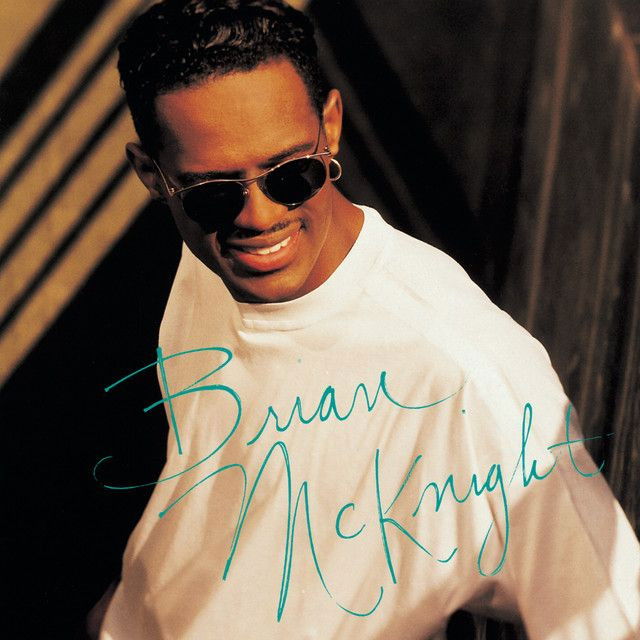
Released as a single from McKnight’s debut album in 1993, the song became his first major solo pop crossover, reaching No. 13 on the Billboard Hot 100, according to Wikipedia’s song entry. That success matters because the song set the template for what many listeners still love about him: polished R&B, strong piano writing, and a voice that sounds deeply controlled even while the lyrics describe emotional collapse.
The Heart of the Song: Grief Before Growth
At its core, the song follows someone who sees an old love with another person and realizes denial can no longer continue. The opening image of broken hopes and a damaged heart makes the loss feel immediate. When the narrator notices the former partner standing close to someone else, the fantasy of reunion disappears.
That is why the title idea matters so much. The phrase one last cry
is not a dramatic stunt. It is a ritual of release. They are telling themselves that one final burst of sadness may help clear the way for a healthier future.
This is also why the line about stop living a lie
lands so hard. The lie is not just about the ex. It is about pretending the attachment is still alive when the facts say otherwise.

Watch the official One Last Cry
music video
A Breakup Timeline in Three Steps
The song moves in a clean emotional arc, which helps explain why so many listeners connect to it.
- Shock becomes proof. They see the former lover with someone new.
- Pain becomes private. They sit alone and wish the feelings would disappear.
- Tears become decision. They allow one final breakdown, then promise to move forward.
That structure keeps the song grounded. Even at its most emotional, it never feels messy. The narrator is hurting, but they are also thinking clearly enough to know what has to happen next.
Who Is Speaking, and What Do They Want?
The lyric voice is first person, but the emotional perspective is easy for almost anyone to recognize. This is a person caught between memory and reality. They still feel loyalty to what they gave the relationship, hinted at in the brief phrase my best to you
, but they also know that giving more would only deepen the wound.
Interpretation: The song is less about pleading with an ex than it is about speaking to the self. The repeated promise to let go sounds like self-coaching. In other words, the real audience may be the narrator’s own heart.
Why the Chorus Feels So Final
The chorus is powerful because it joins sadness to action. Crying is usually treated as helplessness in breakup songs. Here, it becomes a step in recovery. The narrator says they must put the former lover out of mind and leave the past behind. That framing gives the song dignity.
The ending strengthens that feeling. The promise to dry my eyes
comes after the release, not before it. That order is important. McKnight does not rush healing. The song says pain has to be felt before it can be managed.
Before I leave it all behind
I've gotta put you out of my mind
Those lines capture the song’s emotional mission: grief is not the destination. It is the doorway.
Sound and Production: Why the Music Feels So Intimate
Part of the meaning of One Last Cry Brian McKnight lives in the arrangement. Factually, McKnight co-wrote the song with Brandon Barnes and Melanie Barnes, and he co-produced it with Brandon Barnes. The recording also features keyboards by McKnight, acoustic guitar by John Willis, and string arrangement by Clare Fischer.
That combination matters. The piano gives the song its confessional core, as if the thoughts are being worked out in real time. The acoustic guitar softens the edges, and the strings widen the emotion without making it feel too grand. This is not a huge power ballad built on anger. It is a quiet storm record built on restraint.
McKnight’s vocal is just as important. They sing with control rather than raw shouting. That restraint mirrors the lyric: the narrator is falling apart internally, but trying to maintain composure externally. The tension between those two states is what makes the performance believable.
Themes Hidden in Simple Images
The lyrics use plain language, but the imagery is effective. A few motifs keep returning:
- Tears as emotional release
- Distance in phrases about being apart
- Weather through the wish for love to
rain on me
- Sight because seeing the ex with someone else changes everything
Interpretation: The weather image suggests imbalance. The sun shines on the other person, while the narrator feels emotionally dry. They do not just miss love; they feel left out of life’s warmth.
Why the Song Lasted
The song’s chart success and many later covers show how widely its message travels. It speaks to a common experience: the moment when heartbreak stops being a story about “us” and becomes a question of personal survival. Listeners hear not only sadness, but discipline.
That is the key reason it lasts. It offers sorrow without self-pity and closure without cruelty. It understands that moving on is rarely clean, and that one final collapse may be part of standing back up.
The Lasting Meaning
So, what is the meaning of One Last Cry Brian McKnight? It is a song about accepting the end of love by giving grief its due, then refusing to stay trapped inside it. The tears matter, but the choice after the tears matters more.
That balance of hurt and resolve is why the song still lands decades later.
Disclaimer: This article offers interpretation based on the lyrics, recording context, and public release history. Song meaning can remain personal and may differ from listener to listener.









