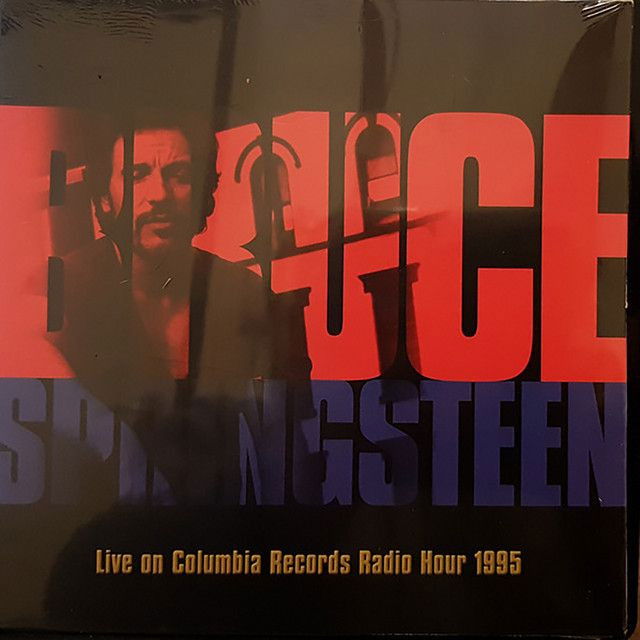
Streets of Philadelphia by Bruce Springsteen
Bruce Springsteen’s "Streets of Philadelphia" is one of their quietest hits, but also one of their most devastating. For many listeners searching for the meaning of Streets of Philadelphia Bruce Springsteen, the answer starts with one core idea: this is a song about a person losing health, identity, and human connection while still hoping not to be left alone.
"Streets of Philadelphia" - Bruce Springsteen
I couldn't tell what I felt
I was unrecognizable to myself
Loading lyrics...
Unable to load lyrics
We're unable to display the lyrics at this time. Please try again later.
Written for Jonathan Demme’s 1993 film Philadelphia, the song is closely tied to a story about AIDS, stigma, and dignity. Factually, the film was one of the first major mainstream movies to deal directly with HIV/AIDS, and Springsteen wrote the song specifically for it. It was released as a single in 1994, reached No. 9 on the Billboard Hot 100, and later won the Oscar for Best Original Song plus four Grammys.
The Song’s Real Center Is Isolation
At the lyric level, the narrator sounds physically worn down and emotionally disoriented. Early on, they describe being bruised and battered
and no longer recognizing their own face. Paraphrased, the song presents illness not just as pain, but as a deep break between body and self.
That matters because the song is not written like a public speech. It feels like private thought. The narrator is walking, remembering, listening to their own body, and wondering whether anyone will stay close as they fade.
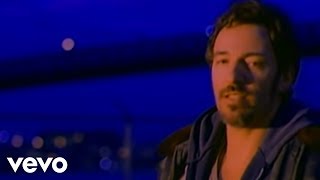
Watch the official Streets of Philadelphia
music video
A Voice From Inside Illness
The first-person writing places the listener inside a single mind. They hear vanished friends, feel their legs turn heavy, and sense time narrowing. When the song says clothes no longer fit and they would walk far to slip this skin
, it suggests more than discomfort. It points to a desperate wish to escape a body that now feels alien.
Interpretation: While the song clearly fits the AIDS story in Philadelphia, its emotional reach is wider. It can also speak to cancer, depression, grief, or any condition that makes someone feel erased while still alive.
Why Philadelphia Matters
The city in the title is real, but it also works like a symbol. In the film, Philadelphia is the setting for Andrew Beckett’s battle with illness and discrimination. In the song, the streets become a public space where private suffering is exposed.
Springsteen does not describe busy landmarks or civic pride. Instead, the city feels cold, anonymous, and indifferent. The repeated title line turns Philadelphia into more than a place. It becomes the landscape of social abandonment.
I can feel myself fading away
So receive me brother with your faithless kiss
Or will we leave each other alone like this
On the streets of Philadelphia?
Paraphrased, this is the emotional peak of the song. The narrator asks for some form of human acceptance, even if it is imperfect or fearful. The pain is not only death. It is the thought of dying untouched.
The "Brother" Is Bigger Than One Person
One of the song’s most moving choices is the word brother
. The narrator uses it like an appeal. They are asking for solidarity from another human being, but Springsteen leaves the identity open.
Interpretation: "Brother" may mean a sibling, a friend, a lover, God, or society itself. That openness helps explain why the song still lands so hard. It asks a universal question: how do people treat someone when illness makes others uncomfortable?
Sound Design That Carries the Meaning
The production is a huge part of why the song works. According to the song’s credits, Springsteen handled the core performance and instrumentation, with Chuck Plotkin as co-producer. The released version is built from soft synths, drum machine, bass, and a restrained vocal rather than a full E Street Band-style arrangement.
That choice shapes the meaning. The beat is steady but small, like a body continuing by habit. The synths feel misty and distant. Nothing bursts open. Even the melody seems to hover rather than soar.
Critic Larry Flick wrote in Billboard that the song rides on a “slow and sturdy beat” with “pillowy synths,” which is a sharp summary of its emotional method. The music does not dramatize suffering in a loud way. It isolates it.
Springsteen’s Performance Is All Restraint
Springsteen’s singing is especially important here. They do not belt these lines. They almost confide them. That understatement gives the song its dignity.
It also fits what Jonathan Demme reportedly wanted. Demme asked Springsteen to write for the film, and Springsteen later said at the 2017 Tribeca Film Festival that they came up with a “tiny little beat” and thought it might not be what Demme wanted. Demme embraced it. That small beat became the frame for a very large emotion.
Why the Song Reached So Many People
The song succeeded because it balanced specificity with openness. It belonged to a film about AIDS, but it never sounded like a lecture or a summary of plot. Instead, it gave listeners a human interior.
That helps explain its acclaim. It won the Academy Award for Best Original Song and four Grammys, including Song of the Year. It also remains one of Springsteen’s best-known songs outside their classic arena-rock image.
For many U.S. listeners, its impact was cultural as much as musical. It helped carry empathy into mainstream pop culture at a time when fear and stigma around AIDS were still intense.
Final Take on the Meaning
The meaning of Streets of Philadelphia Bruce Springsteen is ultimately about what illness does to identity and what isolation does to the soul. Its narrator is physically fading, but the deeper wound is social: the fear of becoming invisible before death arrives.
Springsteen answers that fear with a song that is hushed, compassionate, and unsentimental. It does not promise rescue. It simply insists that this person’s inner life matters.
Disclaimer: This interpretation separates confirmed facts about the song’s creation and release from critical reading of its lyrics. Meaning can vary from listener to listener.
Sources
- https://en.wikipedia.org/wiki/Streets_of_Philadelphia
- https://www.songfacts.com/facts/bruce-springsteen/streets-of-philadelphia
- https://www.billboard.com/artist/Bruce-Springsteen-the-E-Street-Band/chart-history/HSI
- https://www.grammy.com/awards/37th-annual-grammy-awards
- https://www.oscars.org/oscars/ceremonies/1994








