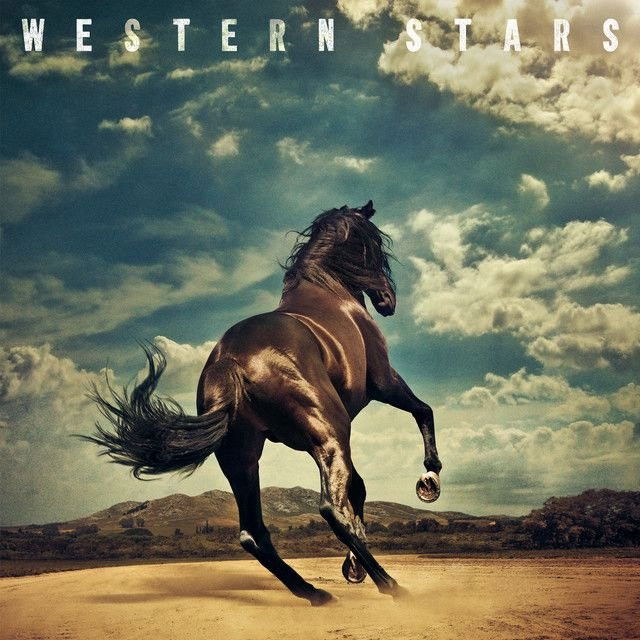
Western Stars by Bruce Springsteen
A Faded Cowboy Under Bright Lights
The meaning of Western Stars Bruce Springsteen centers on a man who once lived close to fame and now survives on memory, routine, and performance. The song introduces an aging Western actor, likely a B-movie type, who wakes up thankful simply to still be here. That opening feeling matters: this is not a victory lap. It is a portrait of endurance.
"Western Stars" - Bruce Springsteen
Instead of empty in the whispering grasses
Down the Five at Forest Lawn
Loading lyrics...
Unable to load lyrics
We're unable to display the lyrics at this time. Please try again later.
Springsteen builds the character through sharp details instead of big speeches. They hear about boots, pills, old sets, cheap glamour, and familiar bars. Each image suggests someone whose best years are behind them, yet who still carries a certain style. The result is tender rather than mocking. Springsteen does not laugh at this man. They let him stand in the sunset and tell his own story.

Watch the official Western Stars
music video
What the Song Is Really About
At its core, the song is about aging in America, especially for people built on myths of toughness, masculinity, and reinvention. The narrator seems to have played cowboys on screen, but now the line between role and real life has blurred. He is both actor and character, both legend and lonely man.
Interpretation: The title image of western stars
points two ways at once. It suggests movie stars from the old West genre, but it also evokes actual stars in the sky. That double meaning lets Springsteen compare human fame to something larger and colder. Stardom fades; the night keeps returning.
The chorus phrase shining bright again
sounds hopeful, but it also carries sadness. The word “again” implies repetition, not renewal. This man is not beginning a fresh life. He is reliving old light for one more evening.
A Character Study in Small, Hard Details
Springsteen writes this narrator with almost novel-like precision. They mention Forest Lawn, Sunset, the Whiskey Bar, an El Camino, and the desert east of Los Angeles. These are not random place names. They place the song inside a specific Southern California world where show business glamour meets physical decay.
The first verse is especially revealing. The man is grateful his boots are still on his feet instead of near a grave. He lives close to death, close to memory, and close to bodily decline. The reference to a little blue pill
shows that even desire now depends on medicine. Springsteen uses that image to show the gap between old fantasy and present reality.
Later, a woman thinks she remembers him from a commercial. That detail is brutal in a quiet way. He may once have seemed larger than life, but now he is recognized, if at all, from selling something on TV. Fame survives in reduced form.
Why the Chorus Hurts So Much
The emotional center of the song is not in the plot but in the repeated plea, ride me down easy
. Before and after that line, the narrator keeps returning to the stars. Together, those ideas create a wish for gentleness at the end of a hard road.
Here's to the cowboys
the riders in the whirlwind
This brief toast sums up the song’s world. It honors men who lived by motion, danger, and image. But a whirlwind is not stable ground. Springsteen is saluting a vanishing type of American figure while also showing the cost of living inside that myth.
The Sound Makes the Meaning Bigger
The production is a huge part of why the song lands so deeply. Western Stars, the 2019 album, was released on June 14, 2019, and Springsteen described it as a set of character-driven songs with sweeping orchestral arrangements on the album overview. That description fits this track perfectly.
Instead of E Street Band power, the song leans into spacious drums, warm piano, steel guitar colors, and cinematic strings. Producer Ron Aniello and Springsteen frame the narrator like a figure in a wide-screen film. The arrangement is rich, but the man at the center sounds fragile. That tension matters.
The 1970s Southern California influence also shapes the meaning. Springsteen pointed to that style in discussing the record’s influences, and listeners can hear echoes of Glen Campbell-style grandeur and adult pop melancholy in reporting by Rolling Stone. The music glows like a sunset, even while the lyrics describe wear, regret, and loneliness.
Hollywood Myth Meets Real American Weariness
One of Springsteen’s smartest moves is how they connect show-business folklore to broader American themes. This is not only a song about an old actor. It is also about a country that keeps recycling its own heroic image.
When the narrator recalls being shot by John Wayne, the line is funny on the surface, but it also reveals how people cling to one defining moment. That one scene still buys him drinks. In other words, the culture keeps feeding itself old legends because the present feels thinner.
Interpretation: The song can be heard as a meditation on national memory. The cowboy once stood for freedom, strength, and movement westward. Here, that figure is tired, medicated, and mostly remembered through anecdotes. Springsteen may be asking what happens when a nation’s favorite symbols outlive the world that made them believable.
The Desert, the Border, and the Old Ways
The desert sections deepen the song beyond celebrity nostalgia. When the narrator drives east and watches charros still ride, the song briefly leaves Hollywood artifice and touches living tradition. The mention of men crossing the wire suggests movement, labor, and cultural survival.
Springsteen does not turn this into a speech. They simply contrast fake Western imagery with people still carrying old practices into the present. That makes the song feel less like costume drama and more like a study of what remains real in a world of copies.
Why the Song Still Resonates
Critics often called the Western Stars album cinematic and elegiac, and that response makes sense. This song resonates because it treats decline with dignity. The narrator is worn down, maybe lonely, maybe half trapped in his own legend, but he is not erased.
The final return to waking up glad his boots are on closes the circle. He has not solved his life. He has simply made it to another morning. In Springsteen’s hands, that becomes its own kind of grace.
Last Light on the Horizon
For listeners searching for the meaning of Western Stars Bruce Springsteen, the song is best understood as a beautiful, sad character portrait. It honors the dream of the cowboy while exposing the emptiness that can follow once the cameras stop rolling.
That is the quiet power of the track: the stars still shine, but the man beneath them knows exactly how temporary that light is.
Disclaimer: This interpretation is based on the song’s lyrics, production, and publicly available artist context. As with any art, listeners may hear different meanings in it.







